blockchainsecurity

667,769 views
1,834 Discussing
Muhammad_Eakub
·
--
Quantum Risk Is a Long-Term Upgrade Challenge—not a Wallet Panic Quantum computers are not cracking crypto wallets today—but preparation has a long lead time. Google Research’s March 31, 2026 paper estimates that a future cryptographically relevant quantum computer could run Shor’s algorithm against 256-bit elliptic-curve cryptography with fewer than 1,200 logical qubits in one circuit. These are error-corrected logical qubits, not a working machine available today. The result is a resource estimate, not evidence that current wallets are compromised. Google recommends that blockchains plan for post-quantum cryptography before such hardware exists. What migration steps should networks prioritize first? Source: Google Research: https://research.google/blog/safeguarding-cryptocurrency-by-disclosing-quantum-vulnerabilities-responsibly/ Market watch: #CryptoEducation #QuantumComputing #BlockchainSecurity
Quantum Risk Is a Long-Term Upgrade Challenge—not a Wallet Panic

Quantum computers are not cracking crypto wallets today—but preparation has a long lead time.
Google Research’s March 31, 2026 paper estimates that a future cryptographically relevant quantum computer could run Shor’s algorithm against 256-bit elliptic-curve cryptography with fewer than 1,200 logical qubits in one circuit. These are error-corrected logical qubits, not a working machine available today. The result is a resource estimate, not evidence that current wallets are compromised. Google recommends that blockchains plan for post-quantum cryptography before such hardware exists. What migration steps should networks prioritize first?

Source: Google Research: https://research.google/blog/safeguarding-cryptocurrency-by-disclosing-quantum-vulnerabilities-responsibly/

Market watch:
#CryptoEducation #QuantumComputing #BlockchainSecurity
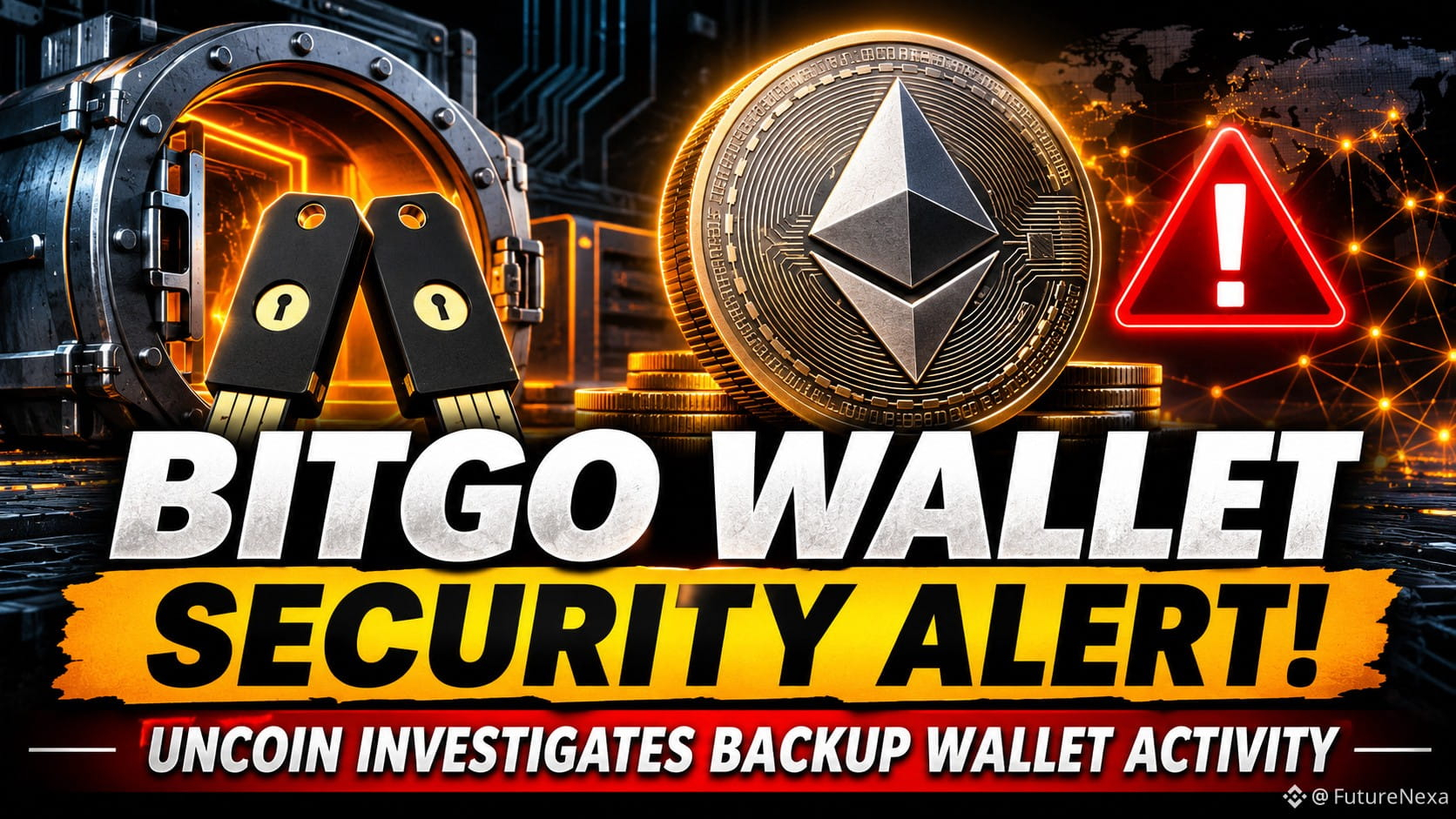
🚨 UNOCOIN SECURITY INCIDENT: BITGO BACKUP WALLET SUSPECTED OF EXPLOITATION! A major cryptocurrency security incident is raising serious questions about multisignature wallet protection. India-based crypto exchange Unocoin is investigating suspicious transactions linked to its BitGo multisignature backup wallet. 📌 What Happened? • November 6: Unocoin requested BitGo and Fireblocks to freeze its corporate accounts after detecting unauthorized activity. • November 9: Further suspicious activity forced Unocoin to suspend all services. • November 12: Unocoin identified outgoing transactions from an Ethereum address linked to its BitGo wallet infrastructure. • November 13: Unocoin revealed that the transactions were signed and broadcast directly on-chain, outside BitGo's platform. 🔐 The Critical Detail BitGo told The Block that the transactions were signed using Unocoin's user and backup keys. BitGo's account freeze worked as intended. However, it does not prevent transactions independently signed using keys held by the customer. What About Customer Funds? Unocoin says more than 90% of customer cryptocurrency is held in cold storage. However, the company is still investigating: • Whether cryptocurrency assets were lost. • How the backup-key mechanism was accessed. • Whether customer information was exposed. • When services can safely resume. ⚠️ No confirmed total loss figure has been published. MY TAKE: This incident highlights an important lesson in crypto custody: Even when an exchange uses a professional custody provider, backup-key security and internal access controls remain critical. A secure wallet system must protect every recovery path, not just the main platform. 💬 Do you think multisig backup systems need stronger independent security audits? #CryptoSecurity #Unocoin #BitGo #Ethereum #Multisig #BlockchainSecurity #Cybersecurity #CryptoNews
🚨 UNOCOIN SECURITY INCIDENT: BITGO BACKUP WALLET SUSPECTED OF EXPLOITATION!
A major cryptocurrency security incident is raising serious questions about multisignature wallet protection.
India-based crypto exchange Unocoin is investigating suspicious transactions linked to its BitGo multisignature backup wallet.
📌 What Happened?
• November 6: Unocoin requested BitGo and Fireblocks to freeze its corporate accounts after detecting unauthorized activity.
• November 9: Further suspicious activity forced Unocoin to suspend all services.
• November 12: Unocoin identified outgoing transactions from an Ethereum address linked to its BitGo wallet infrastructure.
• November 13: Unocoin revealed that the transactions were signed and broadcast directly on-chain, outside BitGo's platform.
🔐 The Critical Detail
BitGo told The Block that the transactions were signed using Unocoin's user and backup keys.
BitGo's account freeze worked as intended. However, it does not prevent transactions independently signed using keys held by the customer.
What About Customer Funds?
Unocoin says more than 90% of customer cryptocurrency is held in cold storage.
However, the company is still investigating:
• Whether cryptocurrency assets were lost.
• How the backup-key mechanism was accessed.
• Whether customer information was exposed.
• When services can safely resume.
⚠️ No confirmed total loss figure has been published.
MY TAKE:
This incident highlights an important lesson in crypto custody:
Even when an exchange uses a professional custody provider, backup-key security and internal access controls remain critical.
A secure wallet system must protect every recovery path, not just the main platform.
💬 Do you think multisig backup systems need stronger independent security audits?
#CryptoSecurity #Unocoin #BitGo #Ethereum #Multisig #BlockchainSecurity #Cybersecurity #CryptoNews
🚨 XRP Ledger is looking beyond today’s security threats. Its proposed 2027 roadmap includes quantum-resistant signatures, but implementation still requires development, audits and validator approval. This is a security roadmap, not a confirmed upgrade. Could long-term security become blockchain’s next competitive advantage? $XRP #xrp #XRPL #BlockchainSecurity {spot}(XRPUSDT)
🚨 XRP Ledger is looking beyond today’s security threats.

Its proposed 2027 roadmap includes quantum-resistant signatures, but implementation still requires development, audits and validator approval.

This is a security roadmap, not a confirmed upgrade.

Could long-term security become blockchain’s next competitive advantage?

$XRP #xrp #XRPL #BlockchainSecurity
Smart contracts are self-executing contracts with terms directly written into code. They are sitting at the heart of many blockchain applications, including those on $ETH. However, they can be vulnerable to attacks due to coding errors. Security audits are essential to identify and fix these vulnerabilities before deployment. For example, a single bug in a smart contract can lead to losses of millions of dollars in $BTC. Execution environments, such as the Ethereum Virtual Machine, also play a crucial role in smart contract security. Regular audits can help prevent such losses. Blockchain security is a growing concern. Blockchain protocols #blockchainsecurity #smartcontract #ethereumdevelopment
Smart contracts are self-executing contracts with terms directly written into code. They are sitting at the heart of many blockchain applications, including those on $ETH . However, they can be vulnerable to attacks due to coding errors. Security audits are essential to identify and fix these vulnerabilities before deployment. For example, a single bug in a smart contract can lead to losses of millions of dollars in $BTC . Execution environments, such as the Ethereum Virtual Machine, also play a crucial role in smart contract security. Regular audits can help prevent such losses. Blockchain security is a growing concern. Blockchain protocols #blockchainsecurity #smartcontract #ethereumdevelopment
Chainstack identifies publicly exposed admin tools as the cause of data leak - Chainstack has published a detailed report on the customer data leak. - The incident was traced to exposed administrative tools (admin tools). - Key lesson: Changing passwords is only part of the solution; node credentials must also be updated, applications changed, and access controls strengthened. - Blockchain/Web3 security requires a comprehensive security system, not just a focus on passwords. #BinanceSquare #CryptoNews #Web3 #BlockchainSecurity #Chainstack $btc $eth vlikevn Titanbot Source: NewsBTC
Chainstack identifies publicly exposed admin tools as the cause of data leak

- Chainstack has published a detailed report on the customer data leak.
- The incident was traced to exposed administrative tools (admin tools).
- Key lesson: Changing passwords is only part of the solution; node credentials must also be updated, applications changed, and access controls strengthened.
- Blockchain/Web3 security requires a comprehensive security system, not just a focus on passwords.

#BinanceSquare #CryptoNews #Web3 #BlockchainSecurity #Chainstack

$btc $eth

vlikevn Titanbot

Source: NewsBTC
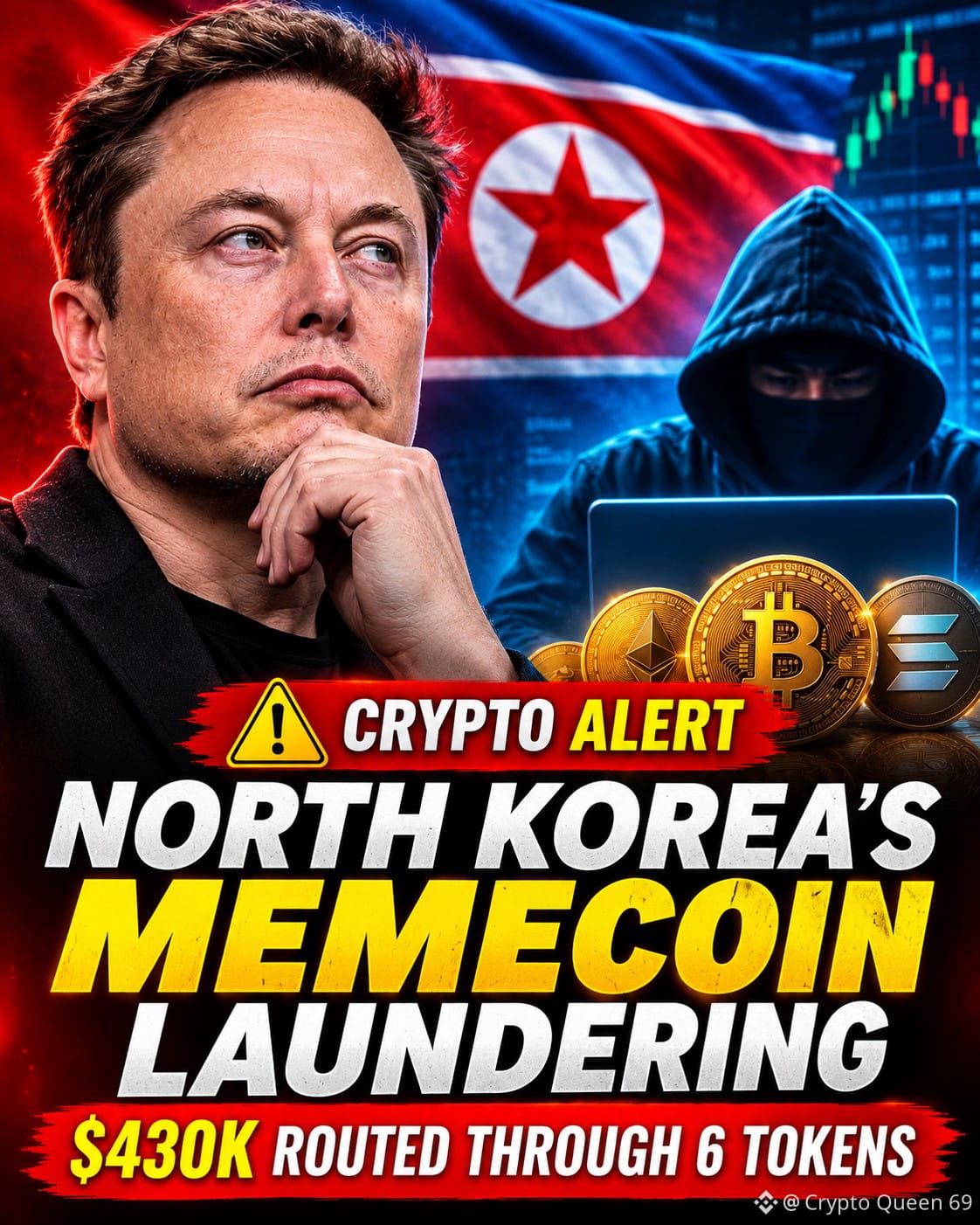
🚨 NORTH KOREA'S HACKERS ARE USING MEMECOINS TO LAUNDER STOLEN CRYPTO. {future}(ZECUSDT) This is getting strange. {future}(HYPEUSDT) According to blockchain analytics firm Elliptic, hackers linked to the $6B+ Binance theft created six disposable memecoins to disguise stolen funds as trading activity. One even used an image of Elon Musk with an “Elon 2028 President” banner. No connection to Musk has been suggested. Here's the shocking part: around 117,000 NEAR ($430K) passed through these tokens, with almost all trading activity coming from wallets linked to the operation. The trick? Buy their own tokens with stolen funds, then sell them through liquidity pools to make the money look like trading profits. But blockchain records still leave a trail. Crypto traders, remember: high volume doesn't always mean real demand. {future}(ARIAUSDT) $ERA $AGIX $JCT #CryptoNews🚀🔥 #BinanceSquareFamily #NEARToken #Memecoins🤑🤑 #BlockchainSecurity
🚨 NORTH KOREA'S HACKERS ARE USING MEMECOINS TO LAUNDER STOLEN CRYPTO.


This is getting strange.

According to blockchain analytics firm Elliptic, hackers linked to the $6B+ Binance theft created six disposable memecoins to disguise stolen funds as trading activity.

One even used an image of Elon Musk with an “Elon 2028 President” banner. No connection to Musk has been suggested.

Here's the shocking part: around 117,000 NEAR ($430K) passed through these tokens, with almost all trading activity coming from wallets linked to the operation.

The trick? Buy their own tokens with stolen funds, then sell them through liquidity pools to make the money look like trading profits.

But blockchain records still leave a trail.

Crypto traders, remember: high volume doesn't always mean real demand.

$ERA $AGIX $JCT
#CryptoNews🚀🔥 #BinanceSquareFamily #NEARToken #Memecoins🤑🤑 #BlockchainSecurity
·
--
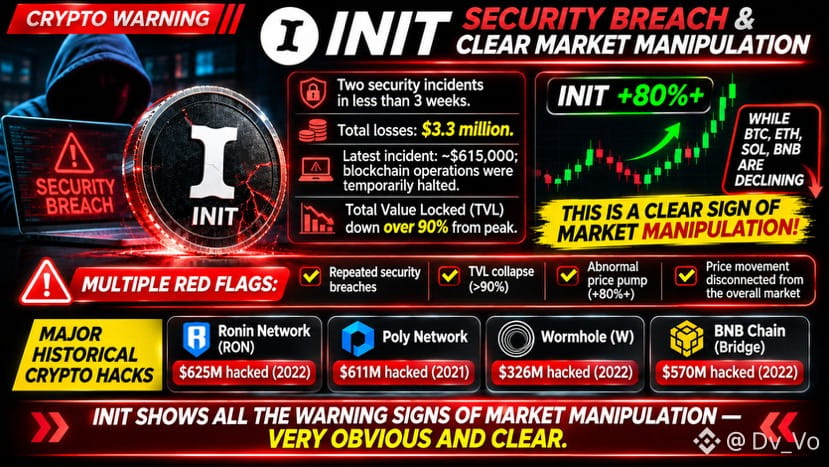
🚨 CRYPTO WARNING: INIT JOINS THE LIST OF BLOCKCHAIN SECURITY DISASTERS! 💀 History Is Repeating Itself — Are Investors Ignoring the Warning Signs? Major crypto security breaches: 🔴 Ronin Network (2022): $625M 🔴 Poly Network (2021): $611M 🔴 BNB Chain Bridge (2022): $570M 🔴 Wormhole (2022): $326M 🚨 NOW INIT (2026): ⚠️ 2 reported security breaches in under 3 weeks. 💸 Approximately $3.3M in reported losses. 📉 TVL down over 90% from its peak. 🚀 INIT surged over 60% despite the latest security crisis. FAKE PUMP OR GENUINE DEMAND? Repeated security failures and unusual price rallies are serious red flags. The divergence deserves investigation, although manipulation has not been proven. ⚠️ A SMALLER HACK DOESN’T MEAN A SMALLER RISK. Investors should demand answers before trusting another rally. #INIT #Initia #CryptoHack #CryptoWarning #FakePump #BlockchainSecurity
🚨 CRYPTO WARNING: INIT JOINS THE LIST OF BLOCKCHAIN SECURITY DISASTERS!

💀 History Is Repeating Itself — Are Investors Ignoring the Warning Signs?

Major crypto security breaches:

🔴 Ronin Network (2022): $625M

🔴 Poly Network (2021): $611M

🔴 BNB Chain Bridge (2022): $570M

🔴 Wormhole (2022): $326M

🚨 NOW INIT (2026):

⚠️ 2 reported security breaches in under 3 weeks.

💸 Approximately $3.3M in reported losses.

📉 TVL down over 90% from its peak.

🚀 INIT surged over 60% despite the latest security crisis.

FAKE PUMP OR GENUINE DEMAND?

Repeated security failures and unusual price rallies are serious red flags. The divergence deserves investigation, although manipulation has not been proven.

⚠️ A SMALLER HACK DOESN’T MEAN A SMALLER RISK.

Investors should demand answers before trusting another rally.

#INIT #Initia #CryptoHack #CryptoWarning #FakePump #BlockchainSecurity
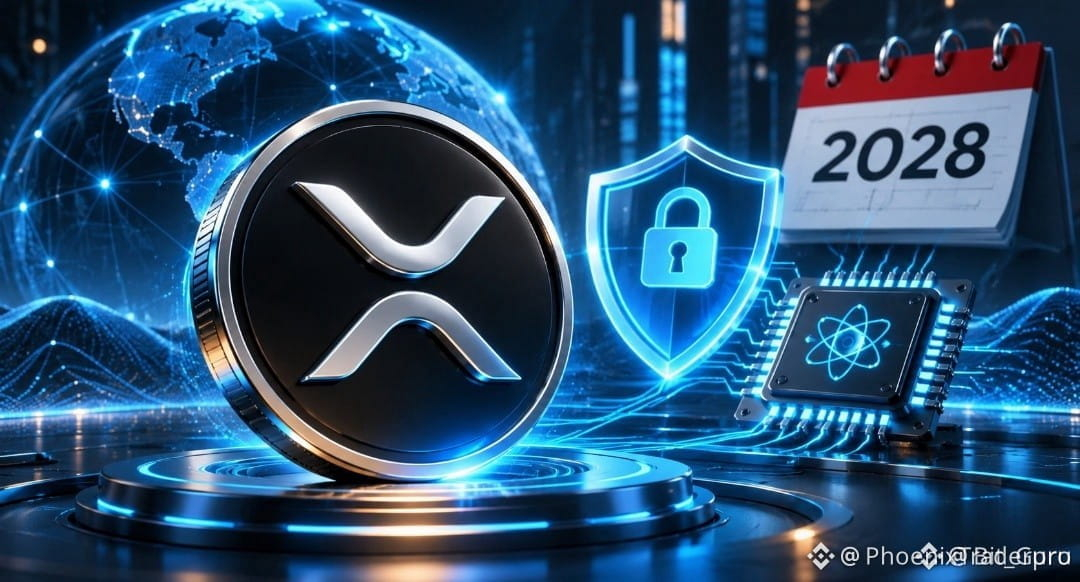
⚡ $XRP FORTIFIES ITS INFRASTRUCTURE AGAINST QUANTUM COMPUTING THREATS 🛡️ The foundation is laying down heavy-duty armor to future-proof the network against tomorrow's computational threats long before they arrive on the horizon. 📊 This forward-looking architecture transition scheduled for 2028 establishes a masterclass in long-term infrastructure hardening. Smart capital respects protocols that prioritize deep security layers and resilience over quick fixes. 💡 When institutional-grade fortifications evolve this steadily, the broader ecosystem takes note of the structural durability. 💬 Are you positioning for this long-term structural evolution or focusing purely on short-term chart noise? 👇 ⚠️ Not financial advice. Always manage your risk. 🛡️ 🏷️ #XRP #SmartMoney #BlockchainSecurity #Crypto ⚡ 🦈
⚡ $XRP FORTIFIES ITS INFRASTRUCTURE AGAINST QUANTUM COMPUTING THREATS 🛡️

The foundation is laying down heavy-duty armor to future-proof the network against tomorrow's computational threats long before they arrive on the horizon. 📊 This forward-looking architecture transition scheduled for 2028 establishes a masterclass in long-term infrastructure hardening.

Smart capital respects protocols that prioritize deep security layers and resilience over quick fixes. 💡 When institutional-grade fortifications evolve this steadily, the broader ecosystem takes note of the structural durability.

💬 Are you positioning for this long-term structural evolution or focusing purely on short-term chart noise? 👇

⚠️ Not financial advice. Always manage your risk. 🛡️

🏷️ #XRP #SmartMoney #BlockchainSecurity #Crypto

⚡ 🦈
Article
Solana's Network Upgrade Roadmap: Developers Propose Retiring a Transaction Feature After the DriftSolana ($SOL ) is attracting attention for an important network-security development. Developers have proposed retiring a transaction feature known as durable nonces following its reported exploitation in the $270 million Drift protocol attack in April 2026. The proposal highlights an important question for blockchain networks: how can transaction flexibility be maintained without creating unnecessary security risks? What Are Durable Nonces? Normally, Solana transactions use recent blockhashes that expire after a relatively short period. Durable nonces provide a different mechanism. They allow a signed transaction to remain valid for a much longer period, making them useful for exchanges and custodians that require offline transaction signing. However, this flexibility can introduce security challenges if transaction approvals are compromised. What Happened With the New Proposal? On November 5, Anza developer Gabe Rodriguez filed a draft proposal known as SIMD-0723 to retire durable nonces. According to CoinDesk, the proposal would not take effect on mainnet before May 5, 2027. It still requires technical approval and a migration plan for affected users and services. Who Could Be Affected? The proposed change is particularly relevant to: Cryptocurrency exchanges. Institutional custodians. Offline transaction-signing services. Developers using durable nonce transactions. Regular $SOL holders do not automatically need to change their wallets because of this draft proposal. However, service providers that rely on durable nonces may need to update their transaction-signing infrastructure. Why Does This Matter for Solana? Security is an important part of blockchain adoption. Solana's wider development roadmap also includes the Alpenglow consensus upgrade, designed to improve transaction finality. The combination of network performance improvements and security-focused development shows why infrastructure changes matter beyond short-term token prices.Final Thoughts Solana's durable-nonce retirement proposal is an important development to follow, but it remains a draft rather than an activated network change. Its final impact will depend on technical approval, implementation and how effectively affected services migrate to alternative solutions. Disclaimer: This article is for educational purposes only and does not provide investment advice. Network proposals can change before implementation. $SOL #Solana #BlockchainSecurity #CryptoTechnology #BinanceSquare {spot}(SOLUSDT)

Solana's Network Upgrade Roadmap: Developers Propose Retiring a Transaction Feature After the Drift

Solana ($SOL ) is attracting attention for an important network-security development.
Developers have proposed retiring a transaction feature known as durable nonces following its reported exploitation in the $270 million Drift protocol attack in April 2026.
The proposal highlights an important question for blockchain networks: how can transaction flexibility be maintained without creating unnecessary security risks?
What Are Durable Nonces?
Normally, Solana transactions use recent blockhashes that expire after a relatively short period.
Durable nonces provide a different mechanism. They allow a signed transaction to remain valid for a much longer period, making them useful for exchanges and custodians that require offline transaction signing.
However, this flexibility can introduce security challenges if transaction approvals are compromised.
What Happened With the New Proposal?
On November 5, Anza developer Gabe Rodriguez filed a draft proposal known as SIMD-0723 to retire durable nonces.
According to CoinDesk, the proposal would not take effect on mainnet before May 5, 2027. It still requires technical approval and a migration plan for affected users and services.
Who Could Be Affected?
The proposed change is particularly relevant to:
Cryptocurrency exchanges.
Institutional custodians.
Offline transaction-signing services.
Developers using durable nonce transactions.
Regular $SOL holders do not automatically need to change their wallets because of this draft proposal.
However, service providers that rely on durable nonces may need to update their transaction-signing infrastructure.
Why Does This Matter for Solana?
Security is an important part of blockchain adoption.
Solana's wider development roadmap also includes the Alpenglow consensus upgrade, designed to improve transaction finality.
The combination of network performance improvements and security-focused development shows why infrastructure changes matter beyond short-term token prices.Final Thoughts
Solana's durable-nonce retirement proposal is an important development to follow, but it remains a draft rather than an activated network change.
Its final impact will depend on technical approval, implementation and how effectively affected services migrate to alternative solutions.
Disclaimer: This article is for educational purposes only and does not provide investment advice. Network proposals can change before implementation.
$SOL #Solana #BlockchainSecurity #CryptoTechnology #BinanceSquare

Perplexing Utility:
Durable nonces being the exploit vector is the real story here, not the $270M headline. Curious if retiring them breaks any legit use cases though
·
--
Project Eleven warns that quantum computers could simultaneously threaten crypto security, with a "Q-Day" potentially arriving as early as 2030. They estimate up to 6.9M $BTC might be vulnerable under specific conditions. Preparing for quantum resistance is crucial. #BTC #Crypto #QuantumComputing #BlockchainSecurity
·
--
Bullish
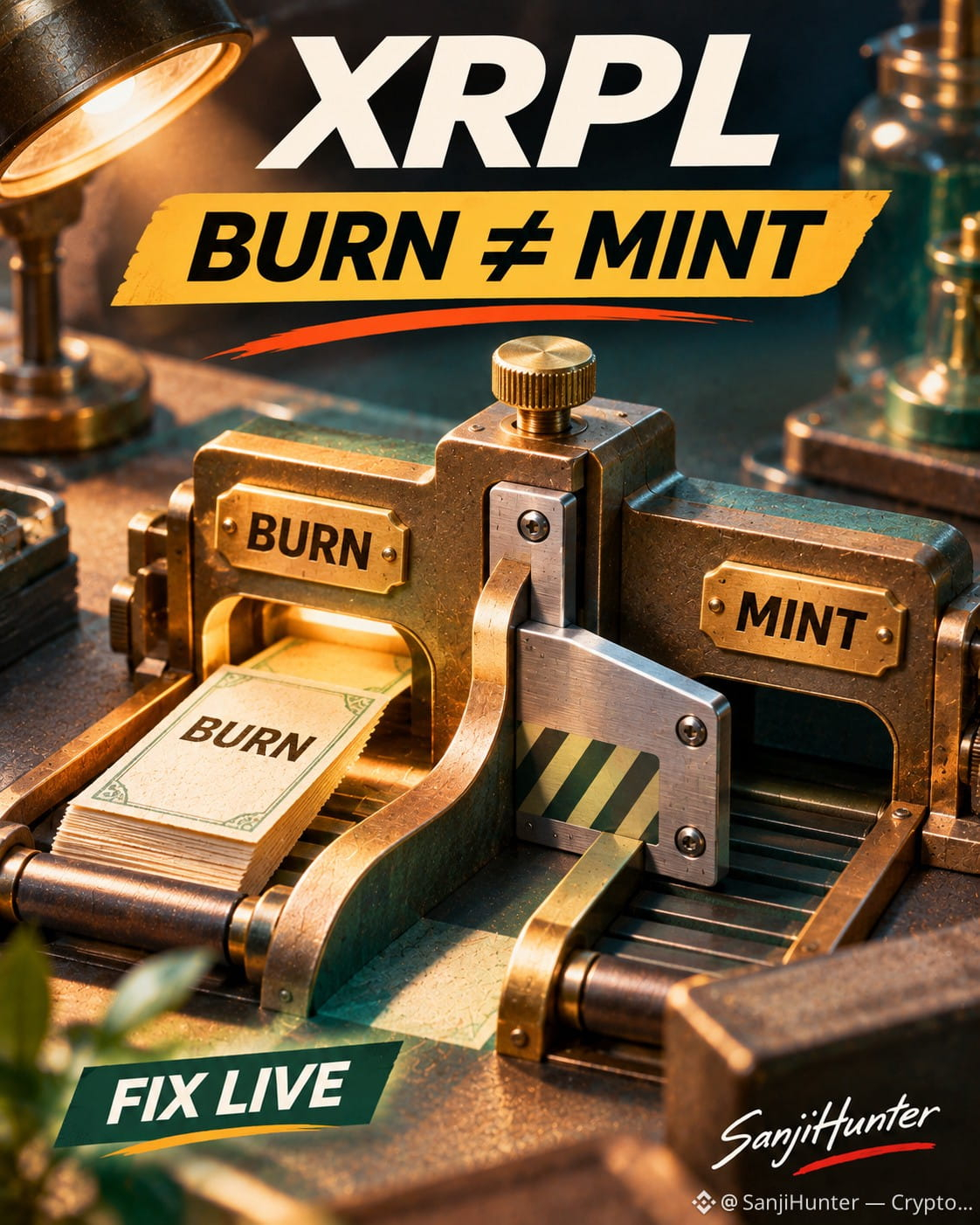
🚨 Imagine giving someone permission to DESTROY tokens — only to discover they could CREATE new ones instead That's the security flaw XRP Ledger just fixed On November 4, XRPL activated the fixCleanup3_4_0 amendment, closing a loophole in its token permission system Here's how it worked 👇 $XRP {future}(XRPUSDT) Imagine a stablecoin issuer allowing a payment service to burn tokens when customers redeem them That service should be able to destroy tokens — not print new ones But under certain conditions, the old PaymentBurn rules could let a delegated account create issued tokens by crossing a zero-balance boundary The fix now blocks that behavior $XRP {spot}(XRPUSDT) ⚠️ Two important facts: Native XRP was NOT affected And no exploitation of this flaw has been publicly confirmed There's another detail worth noticing The fix required 14 consecutive days of validator support, and an interruption in October delayed activation 📌 The next question is whether token issuers have reviewed historical delegated transactions for irregularities A blockchain can have strict permission settings But those permissions are only as reliable as the rules enforcing them {etf_us}(XRPI.ETF) #Xrp🔥🔥 #XRPL #BlockchainSecurity
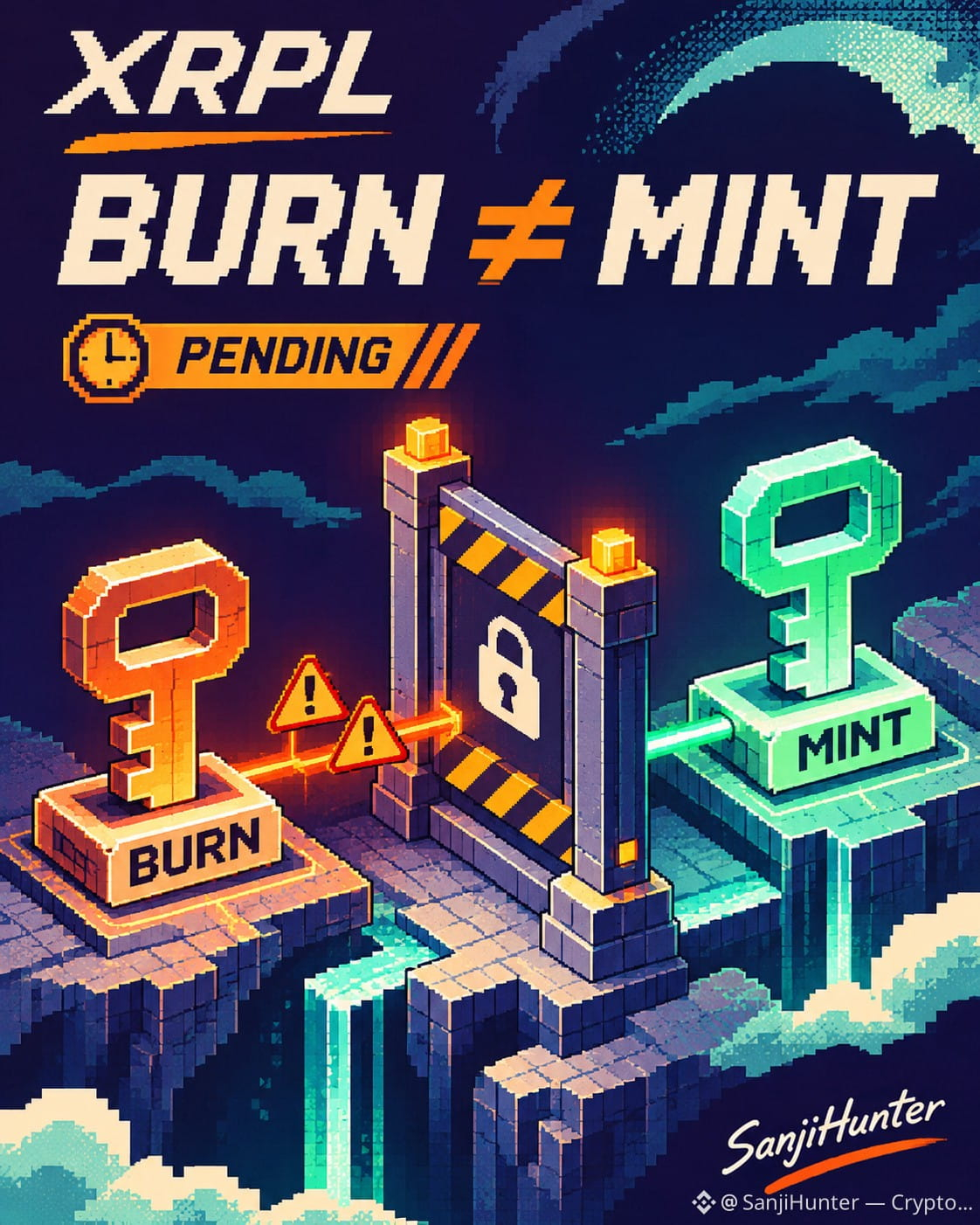
🚨 Imagine giving someone permission to DESTROY tokens — only to discover they could CREATE new ones instead

That's the security flaw XRP Ledger just fixed
On November 4, XRPL activated the fixCleanup3_4_0 amendment, closing a loophole in its token permission system
Here's how it worked 👇

$XRP
Imagine a stablecoin issuer allowing a payment service to burn tokens when customers redeem them
That service should be able to destroy tokens — not print new ones
But under certain conditions, the old PaymentBurn rules could let a delegated account create issued tokens by crossing a zero-balance boundary
The fix now blocks that behavior

$XRP

⚠️ Two important facts:
Native XRP was NOT affected
And no exploitation of this flaw has been publicly confirmed
There's another detail worth noticing
The fix required 14 consecutive days of validator support, and an interruption in October delayed activation

📌 The next question is whether token issuers have reviewed historical delegated transactions for irregularities
A blockchain can have strict permission settings
But those permissions are only as reliable as the rules enforcing them


#Xrp🔥🔥 #XRPL #BlockchainSecurity
XRP-7.20%
XRPIETF-2.49%
🚨 $XRP NETWORK INTEGRITY RESTORED AS CRITICAL PROTOCOL PERMISSION LOOPHOLE PATCHED 🛡️ Protocol architecture requires absolute rule enforcement, and the recent activation of the fixCleanup3_4_0 amendment directly addresses a critical vulnerability in token permission boundaries. 🦈 By closing a loophole where delegated accounts could cross zero-balance thresholds to mint rather than burn assets, network integrity is significantly reinforced. 📊 Native assets remained completely untouched and no historical exploit vectors were confirmed during the review cycle. 💡 Institutional trust relies heavily on consensus-level security hardening like this 14-day validator rollout. 💬 Have you audited your token issuer parameters following this protocol update yet? 👇 ⚠️ Not financial advice. Always manage your risk. 🛡️ 🏷️ #XRP #BlockchainSecurity #XRPL #SmartMoney 🔥 💎
🚨 $XRP NETWORK INTEGRITY RESTORED AS CRITICAL PROTOCOL PERMISSION LOOPHOLE PATCHED 🛡️

Protocol architecture requires absolute rule enforcement, and the recent activation of the fixCleanup3_4_0 amendment directly addresses a critical vulnerability in token permission boundaries. 🦈 By closing a loophole where delegated accounts could cross zero-balance thresholds to mint rather than burn assets, network integrity is significantly reinforced. 📊

Native assets remained completely untouched and no historical exploit vectors were confirmed during the review cycle. 💡 Institutional trust relies heavily on consensus-level security hardening like this 14-day validator rollout. 💬 Have you audited your token issuer parameters following this protocol update yet? 👇

⚠️ Not financial advice. Always manage your risk. 🛡️

🏷️ #XRP #BlockchainSecurity #XRPL #SmartMoney

🔥 💎
🛡️ BINANCE REPORTS 98% ASSET REPLENISHMENT Following its October 29 security incident, Binance reported that approximately 98% of impacted token assets had been replenished. The exchange also said it was working to restore remaining assets and that affected customers would not bear the losses. The incident report highlighted compromised employee devices and stolen deployment credentials. This case is a reminder that cybersecurity is critical for every major crypto platform. How important is exchange security when choosing a platform? #Binance #CryptoSecurity #BlockchainSecurity $BTC
🛡️ BINANCE REPORTS 98% ASSET REPLENISHMENT

Following its October 29 security incident, Binance reported that approximately 98% of impacted token assets had been replenished.

The exchange also said it was working to restore remaining assets and that affected customers would not bear the losses.

The incident report highlighted compromised employee devices and stolen deployment credentials.

This case is a reminder that cybersecurity is critical for every major crypto platform.

How important is exchange security when choosing a platform?

#Binance #CryptoSecurity #BlockchainSecurity $BTC
🏦 COULD THE BINANCE INCIDENT CHANGE CRYPTO INSURANCE? A new Reuters report says the recent $6.3 billion Binance theft is likely to make insurers examine crypto companies' security exposure more closely. Insurers may ask tougher questions about cybersecurity controls, policy limits and shared vulnerabilities. This could become an important issue for exchanges, custodians and institutional crypto businesses. The bigger lesson: security and risk management are essential for crypto's wider adoption. Do you think stronger insurance standards could improve trust? #CryptoInsurance #BlockchainSecurity #Binance #Web3 $WEBS.ETF
🏦 COULD THE BINANCE INCIDENT CHANGE CRYPTO INSURANCE?

A new Reuters report says the recent $6.3 billion Binance theft is likely to make insurers examine crypto companies' security exposure more closely.

Insurers may ask tougher questions about cybersecurity controls, policy limits and shared vulnerabilities.

This could become an important issue for exchanges, custodians and institutional crypto businesses.

The bigger lesson: security and risk management are essential for crypto's wider adoption.

Do you think stronger insurance standards could improve trust?

#CryptoInsurance #BlockchainSecurity #Binance #Web3 $WEBS.ETF
WEBSETF+1.86%
🚨 BINANCE AND DERIBIT REMOVE SIGNALPLUS API KEYS AFTER SECURITY CONCERNS 🔐 Today's verified development Reuters reported on November 5 that Binance and Deribit removed API keys connected to SignalPlus following a potential security issue reported by the trading infrastructure provider. According to the report, Binance stated that its systems were unaffected and customer funds remained safe. Deribit also reported finding no evidence that its systems or data had been compromised. ⚠️ Why this matters Third-party trading integrations can introduce risks beyond those associated with the exchange itself. An API key may provide access to account functions depending on its permissions. That makes API security an important part of cryptocurrency risk management. 🔍 Three important security practices 🔐 Review permissions granted to third-party applications. 🔐 Revoke API keys that are no longer required. 🔐 Avoid enabling withdrawal permissions unless absolutely necessary and supported by appropriate safeguards. 💡 Market insight Cryptocurrency security isn't only about protecting passwords. It's also about understanding which external applications can interact with your account. 📢 How frequently do you review your exchange API permissions? 🟢 Monthly 🟡 Occasionally 🔴 Never 👇 Share your approach to cryptocurrency security! $BNB $BTC #Binance #CryptoSecurity #BlockchainSecurity #BinanceSquare
🚨 BINANCE AND DERIBIT REMOVE SIGNALPLUS API KEYS AFTER SECURITY CONCERNS
🔐 Today's verified development
Reuters reported on November 5 that Binance and Deribit removed API keys connected to SignalPlus following a potential security issue reported by the trading infrastructure provider.
According to the report, Binance stated that its systems were unaffected and customer funds remained safe.
Deribit also reported finding no evidence that its systems or data had been compromised.
⚠️ Why this matters
Third-party trading integrations can introduce risks beyond those associated with the exchange itself.
An API key may provide access to account functions depending on its permissions.
That makes API security an important part of cryptocurrency risk management.
🔍 Three important security practices
🔐 Review permissions granted to third-party applications.
🔐 Revoke API keys that are no longer required.
🔐 Avoid enabling withdrawal permissions unless absolutely necessary and supported by appropriate safeguards.
💡 Market insight
Cryptocurrency security isn't only about protecting passwords.
It's also about understanding which external applications can interact with your account.
📢 How frequently do you review your exchange API permissions?
🟢 Monthly
🟡 Occasionally
🔴 Never
👇 Share your approach to cryptocurrency security!
$BNB $BTC #Binance #CryptoSecurity #BlockchainSecurity #BinanceSquare

·
--
Bullish
Bitcoin Up or Down on November 5?

Bitcoin Up or Down on November 5?

1%Up99%Down
Volume $208,148.12
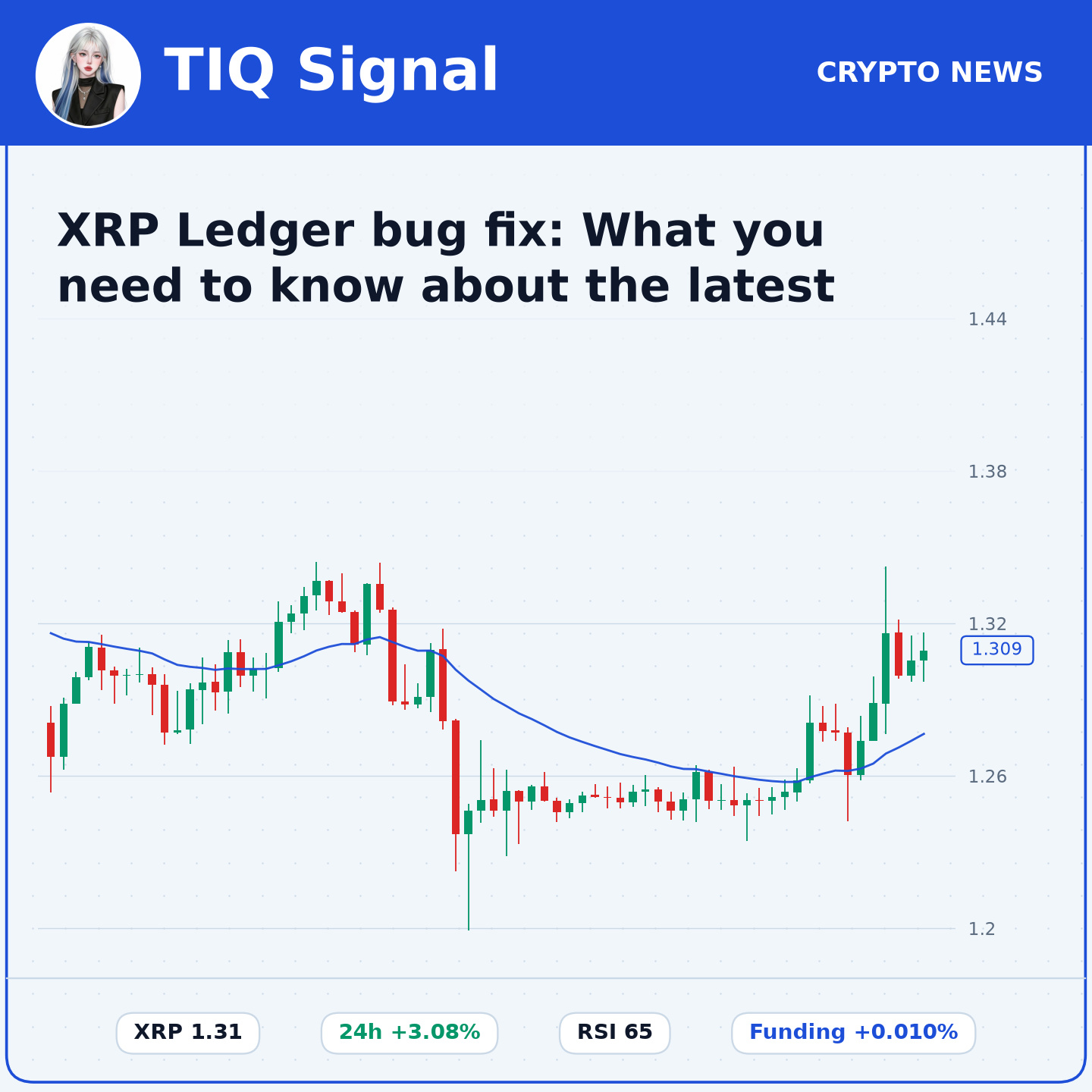
👀 Fresh off the crypto wire: XRP Ledger bug fix: What you need to know about the latest update The XRP Ledger recently received a critical update to close a bug that allowed approved token burners to create new tokens unexpectedly. This technical glitch created a loophole where tokens meant for burning could instead be minted as new assets. Developers acted quickly to patch the vulnerability, ensuring the network remains secure for all users. It is always a relief to see the team squash these bugs before they cause any real trouble for the ecosystem. If you are a developer or a project builder on this network, make sure your software is updated to the latest version to stay protected. It is a good reminder that even the most robust chains need a little digital spring cleaning now and then! 🛠️ Grab a coffee, this one's worth a read ☕ $XRP #XRP #XRPLedger #BlockchainSecurity #CryptoNews ℹ️ News roundup from public sources, not financial advice.
👀 Fresh off the crypto wire: XRP Ledger bug fix: What you need to know about the latest update

The XRP Ledger recently received a critical update to close a bug that allowed approved token burners to create new tokens unexpectedly.

This technical glitch created a loophole where tokens meant for burning could instead be minted as new assets. Developers acted quickly to patch the vulnerability, ensuring the network remains secure for all users. It is always a relief to see the team squash these bugs before they cause any real trouble for the ecosystem.

If you are a developer or a project builder on this network, make sure your software is updated to the latest version to stay protected. It is a good reminder that even the most robust chains need a little digital spring cleaning now and then! 🛠️

Grab a coffee, this one's worth a read ☕

$XRP #XRP #XRPLedger #BlockchainSecurity #CryptoNews

ℹ️ News roundup from public sources, not financial advice.
🔐 An account allowed to BURN tokens should never be able to MINT them XRP Ledger is preparing to close a permission loophole that could allow exactly that under certain conditions The fix is part of the fixCleanup3_4_0 amendment, expected to activate today 33 of 35 tracked validators support it Why this matters 👇 $XRP {future}(XRPUSDT) A stablecoin issuer might authorize a payment partner to destroy tokens during redemptions That permission should never grant the ability to create new supply The update also strengthens transaction safeguards across AMMs, vaults and token permissions ⚠️ No confirmed exploitation has been reported $XRP 's native supply is unaffected, and the amendment is NOT active yet The expected activation is around 14:46 UTC, subject to validator consensus and the next flag ledger {spot}(XRPUSDT) 📌 Watch the actual onchain activation, issuer safeguards and exchange infrastructure readiness For $XRP , stronger token infrastructure is meaningful — but it doesn't automatically create buying pressure Security improvements need proof of deployment, not just an announcement {etf_us}(XRPC.ETF) #xrp #XRPL #BlockchainSecurity
🔐 An account allowed to BURN tokens should never be able to MINT them

XRP Ledger is preparing to close a permission loophole that could allow exactly that under certain conditions
The fix is part of the fixCleanup3_4_0 amendment, expected to activate today
33 of 35 tracked validators support it
Why this matters 👇

$XRP

A stablecoin issuer might authorize a payment partner to destroy tokens during redemptions
That permission should never grant the ability to create new supply
The update also strengthens transaction safeguards across AMMs, vaults and token permissions

⚠️ No confirmed exploitation has been reported
$XRP 's native supply is unaffected, and the amendment is NOT active yet
The expected activation is around 14:46 UTC, subject to validator consensus and the next flag ledger


📌 Watch the actual onchain activation, issuer safeguards and exchange infrastructure readiness
For $XRP , stronger token infrastructure is meaningful — but it doesn't automatically create buying pressure
Security improvements need proof of deployment, not just an announcement


#xrp #XRPL #BlockchainSecurity
XRP-7.20%
XRPCETF-2.28%
CZ CALLS FOR CRYPTO SECURITY ALLIANCE AFTER $6.3 BILLION HACK Changpeng Zhao (CZ), founder of Binance, has proposed establishing an industry-wide security alliance for the crypto sector. Its main goal is to help platforms work together more closely to fight hackers and prevent asset theft. {spot}(BNBUSDT) Key points of the proposal: Information sharing: Industry companies would share security expertise, issue vulnerability alerts, and coordinate system checks. Freezing assets: Establish a rapid-response coordination mechanism among exchanges to trace and freeze stolen assets in a timely manner. AI-powered defense: CZ warned that AI is making hacker attacks faster and more sophisticated, so the crypto industry must also use AI to defend itself. Current status: The new alliance is still under discussion and has no formal operating structure yet. According to CZ, in the wake of the Binance incident, security is no longer any one exchange’s concern alone—it requires the whole market to work together. This article is just for keeping up with the news and is not investment advice. If you lose money to hackers or by buying at the top, please don’t come after CZ or the writer for compensation. #CryptoSecurity #Binance #CZ #CryptoNews #BlockchainSecurity
CZ CALLS FOR CRYPTO SECURITY ALLIANCE AFTER $6.3 BILLION HACK

Changpeng Zhao (CZ), founder of Binance, has proposed establishing an industry-wide security alliance for the crypto sector. Its main goal is to help platforms work together more closely to fight hackers and prevent asset theft.


Key points of the proposal:

Information sharing: Industry companies would share security expertise, issue vulnerability alerts, and coordinate system checks.

Freezing assets: Establish a rapid-response coordination mechanism among exchanges to trace and freeze stolen assets in a timely manner.

AI-powered defense: CZ warned that AI is making hacker attacks faster and more sophisticated, so the crypto industry must also use AI to defend itself.

Current status: The new alliance is still under discussion and has no formal operating structure yet.

According to CZ, in the wake of the Binance incident, security is no longer any one exchange’s concern alone—it requires the whole market to work together.

This article is just for keeping up with the news and is not investment advice. If you lose money to hackers or by buying at the top, please don’t come after CZ or the writer for compensation.

#CryptoSecurity #Binance #CZ #CryptoNews #BlockchainSecurity
Log in to explore more content
Join global crypto users on Binance Square
⚡️ Get latest and useful information about crypto.
💬 Trusted by the world’s largest crypto exchange.
👍 Discover real insights from verified creators.
Email / Phone number