
#adnb
adnb
23,507 views
85 Discussing
Hot
Latest

·
--
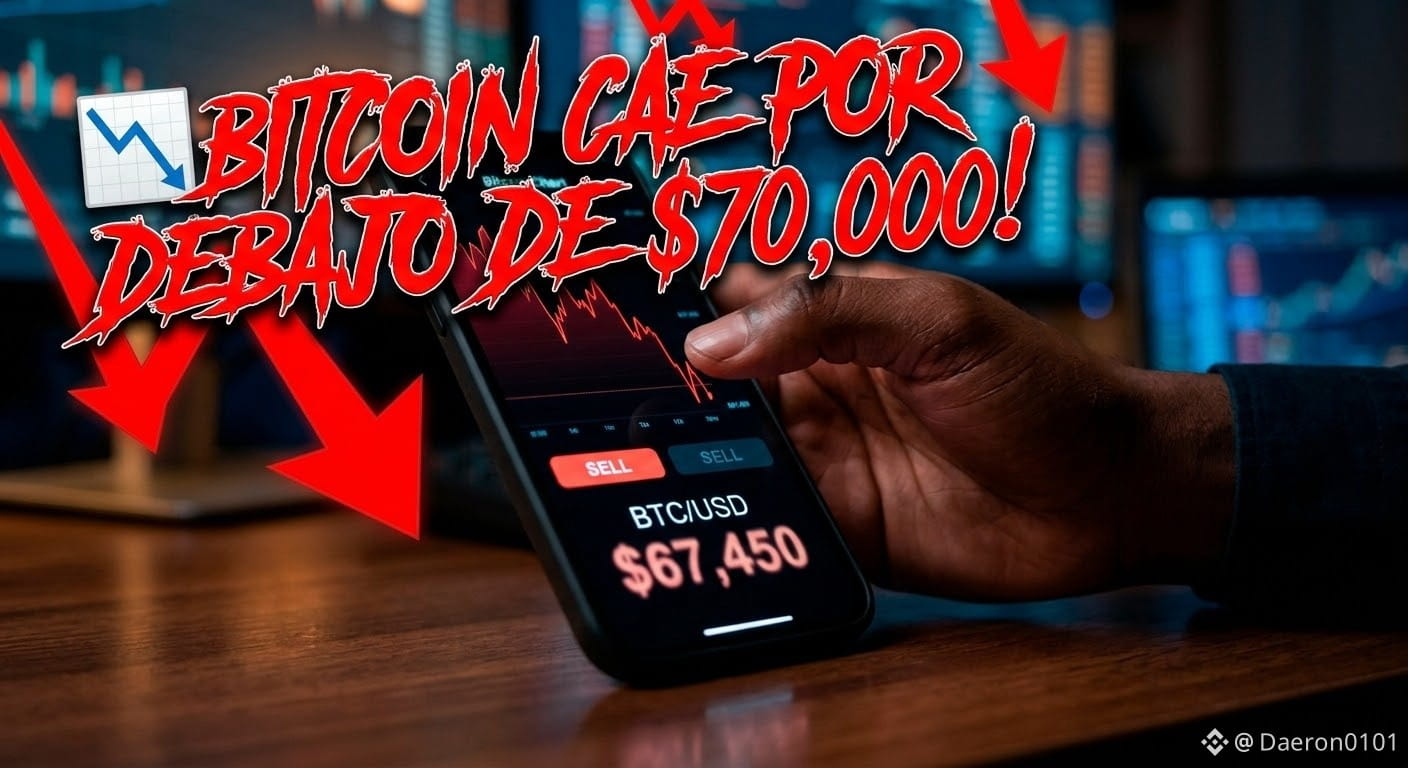
Bitcoin ($BTC) falls below $70,000! Opportunity or caution? 📉🤔
The crypto market is waking up to sharp movements. The price of $BTC has pulled back and is now looking to stabilize around $67,000–$68,000 USD.
What’s behind this pullback? Mainly external factors: high interest rates in the global economy and a strengthening dollar are making many investors more cautious for now. When this happens, money often temporarily flows out of volatile assets (whose prices fluctuate a lot), such as cryptocurrencies.
At the moment, $BTC is testing a key “support” level (a price level where many buyers tend to step in to stop the decline), technically known as its 200-week moving average (the average price over the past four years).
What can we do as savvy investors?
On red days, the key is not to panic or make impulsive decisions. Discipline, risk management, and having a clear plan are our best tools for navigating market volatility.
And you, how are you handling this pullback? Are you taking the opportunity to gradually accumulate, or would you rather wait for the market to calm down?
Comment and let’s learn together 👇
$BTC
#Bitcoin #ADNB
{future}(BTCUSDT)
Bitcoin ($BTC ) falls below $70,000! Opportunity or caution? 📉🤔
The crypto market is waking up to sharp movements. The price of $BTC has pulled back and is now looking to stabilize around $67,000–$68,000 USD.
What’s behind this pullback? Mainly external factors: high interest rates in the global economy and a strengthening dollar are making many investors more cautious for now. When this happens, money often temporarily flows out of volatile assets (whose prices fluctuate a lot), such as cryptocurrencies.
At the moment, $BTC is testing a key “support” level (a price level where many buyers tend to step in to stop the decline), technically known as its 200-week moving average (the average price over the past four years).
What can we do as savvy investors?
On red days, the key is not to panic or make impulsive decisions. Discipline, risk management, and having a clear plan are our best tools for navigating market volatility.
And you, how are you handling this pullback? Are you taking the opportunity to gradually accumulate, or would you rather wait for the market to calm down?
Comment and let’s learn together 👇
$BTC
#Bitcoin #ADNB
926
·
--
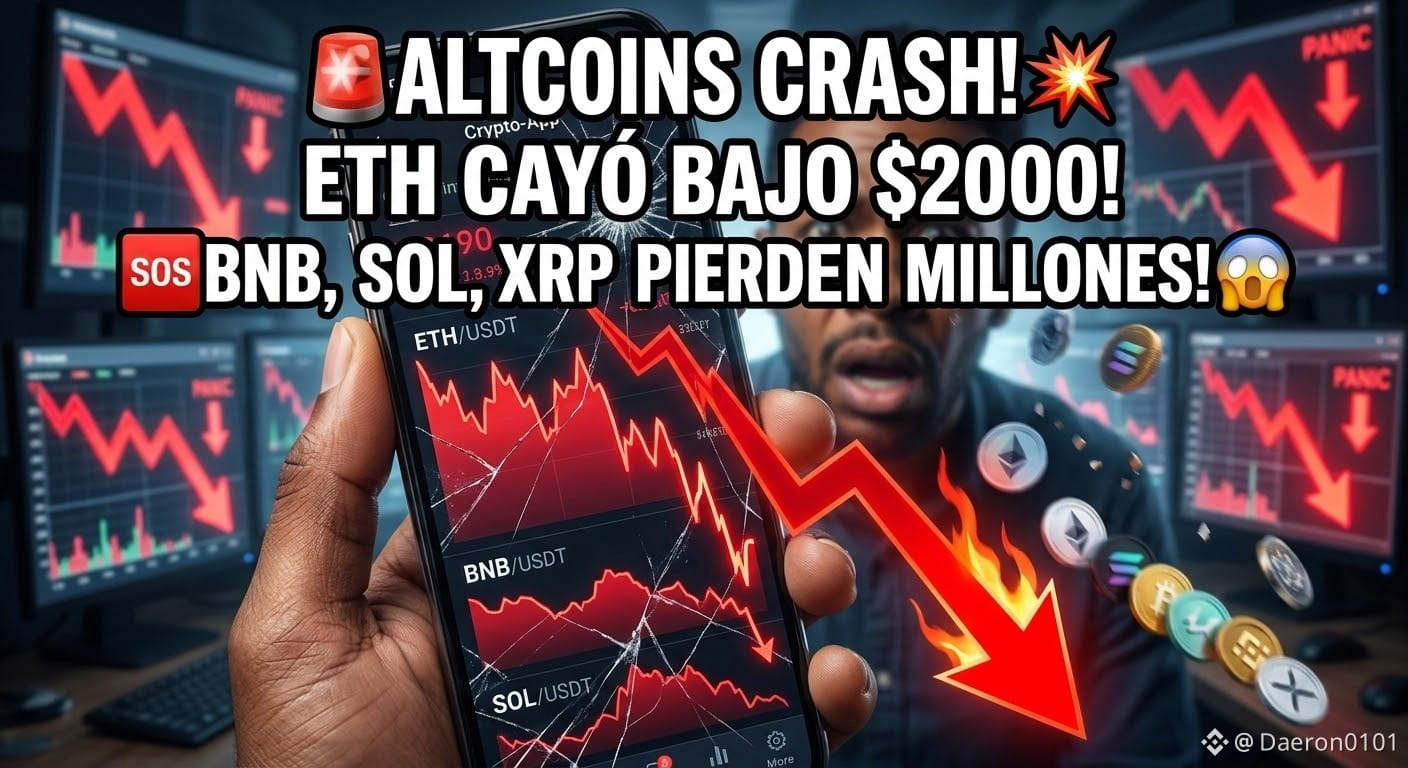
The domino effect hits altcoins! $ETH loses $2,000 and drags the market down 📉🌊
When the market leader ($BTC) sneezes, the rest of the cryptocurrencies usually catch a cold. Following Bitcoin's recent drop, major “altcoins” (cryptocurrencies alternative to Bitcoin) have suffered significant declines in recent hours:
Ethereum ($ETH ): Fell below the psychological $2,000 USD threshold, trading at around $1,905–$1,910 USD.
Solana ($SOL ): Was one of the hardest hit among the major coins, dropping more than 6% to around $75.70 USD.
BNB and XRP: Also followed the broader correction, falling by a moderate 3% to 4%.
Why are they all falling at the same time?
This is due to a phenomenon called “deleveraging” (when positions opened with borrowed money are automatically closed because the price has fallen too far). When $BTC fell, it triggered a chain reaction that forced millions of dollars' worth of other coins to be sold to cover losses, creating a ripple effect throughout the ecosystem.
Lesson of the day:
At times like these, we see how important it is not to keep all our capital in highly volatile coins (which rise and fall very sharply) and to always maintain a reserve in “stablecoins” (stable coins pegged to the dollar, such as $USDT) for peace of mind and liquidity.
And you, which altcoin are you keeping a close eye on during this dip for your long-term portfolio? Would you rather take shelter in $BTC or look for discounts on solid projects?
Comment and let's learn together 👇
#bitcoin #ADNB
{spot}(ETHUSDT)
{future}(SOLUSDT)
{spot}(BTCUSDT)
The domino effect hits altcoins! $ETH loses $2,000 and drags the market down 📉🌊
When the market leader ($BTC) sneezes, the rest of the cryptocurrencies usually catch a cold. Following Bitcoin's recent drop, major “altcoins” (cryptocurrencies alternative to Bitcoin) have suffered significant declines in recent hours:
Ethereum ($ETH ): Fell below the psychological $2,000 USD threshold, trading at around $1,905–$1,910 USD.
Solana ($SOL ): Was one of the hardest hit among the major coins, dropping more than 6% to around $75.70 USD.
BNB and XRP: Also followed the broader correction, falling by a moderate 3% to 4%.
Why are they all falling at the same time?
This is due to a phenomenon called “deleveraging” (when positions opened with borrowed money are automatically closed because the price has fallen too far). When $BTC fell, it triggered a chain reaction that forced millions of dollars' worth of other coins to be sold to cover losses, creating a ripple effect throughout the ecosystem.
Lesson of the day:
At times like these, we see how important it is not to keep all our capital in highly volatile coins (which rise and fall very sharply) and to always maintain a reserve in “stablecoins” (stable coins pegged to the dollar, such as $USDT) for peace of mind and liquidity.
And you, which altcoin are you keeping a close eye on during this dip for your long-term portfolio? Would you rather take shelter in $BTC or look for discounts on solid projects?
Comment and let's learn together 👇
#bitcoin #ADNB
201
·
--
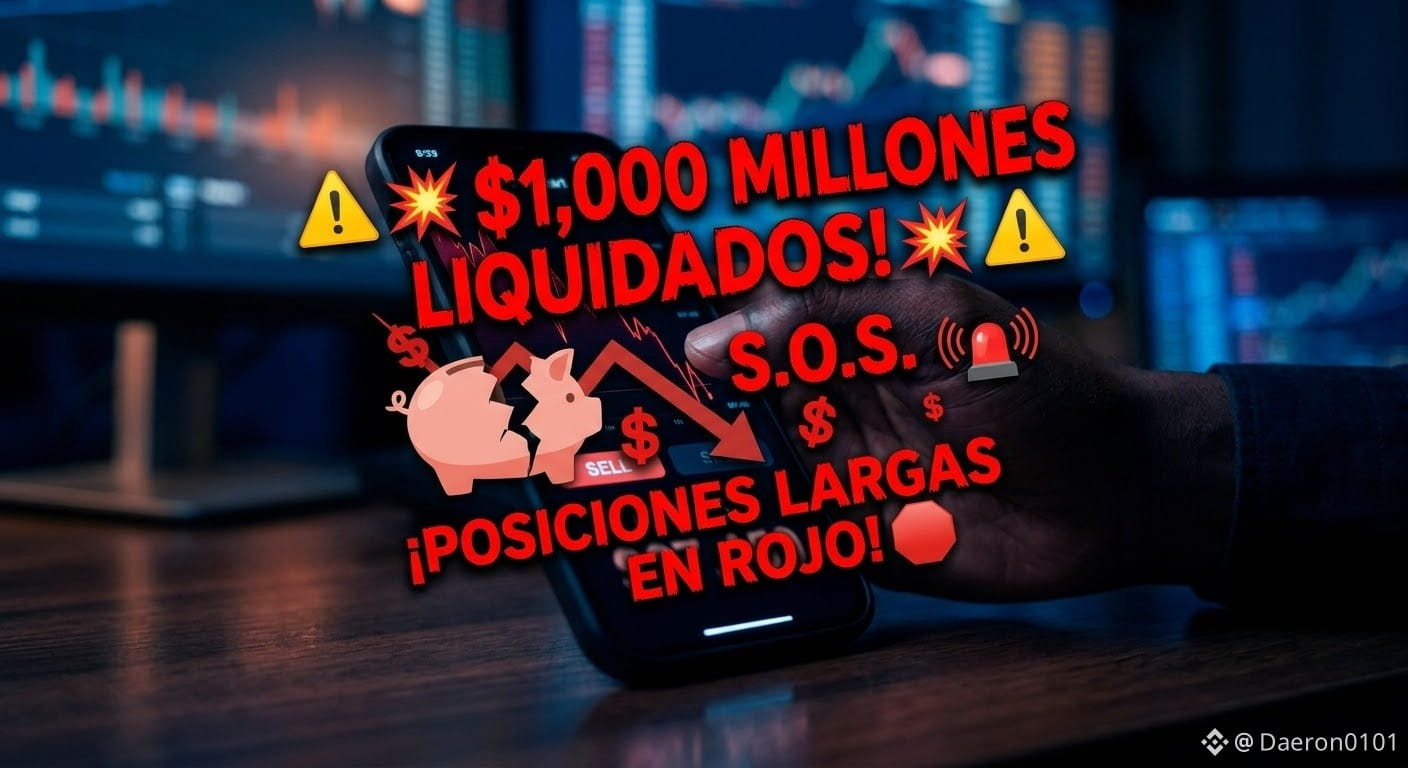
Over $1 billion in forced liquidations! The danger of leverage on gloomy days 💥⚠️
The recent price drop didn’t just scare spot investors (those who buy and hold the currency); it also caused a real earthquake in the “derivatives” market (where people trade with borrowed money). In just 24 hours, more than $1 billion worth of trading positions were “liquidated.”
What does it mean to have a position “liquidated”?
Imagine you go to the futures casino and place a bet: “I think Bitcoin is going to rise.” To boost your potential profit, you borrow money from the platform (that’s “leverage”). But if the price falls instead of rising and reaches a critical level called the “liquidation price,” the platform automatically closes your bet to recover the money it lent you, and you lose everything you initially put in. That’s exactly what happened on a massive scale.
Of that $1 billion total:
The vast majority ($900+ million) was in long positions (bets that the price would rise).
Bitcoin ($BTC ) led the losses, followed closely by Ethereum ($ETH ).
A vital lesson about risk:
Leverage magnifies gains when we’re right, but it multiplies losses and the chance of being wiped out when the market surprises us. During periods of high volatility, trading without experience and without strict risk management (such as using “Stop-Loss” orders or appropriate margins) is extremely dangerous. Staying calm and avoiding overexposure is the best defense.
Have you ever experienced a liquidation, or do you prefer to trade only in spot markets to avoid this risk? Which risk-management tool do you think is most important on days like these?
Comment and let’s learn together 👇
#GestiónDeRiesgo #EducaciónFinanciera #ADNB
{future}(BTCUSDT)
{future}(ETHUSDT)
Over $1 billion in forced liquidations! The danger of leverage on gloomy days 💥⚠️
The recent price drop didn’t just scare spot investors (those who buy and hold the currency); it also caused a real earthquake in the “derivatives” market (where people trade with borrowed money). In just 24 hours, more than $1 billion worth of trading positions were “liquidated.”
What does it mean to have a position “liquidated”?
Imagine you go to the futures casino and place a bet: “I think Bitcoin is going to rise.” To boost your potential profit, you borrow money from the platform (that’s “leverage”). But if the price falls instead of rising and reaches a critical level called the “liquidation price,” the platform automatically closes your bet to recover the money it lent you, and you lose everything you initially put in. That’s exactly what happened on a massive scale.
Of that $1 billion total:
The vast majority ($900+ million) was in long positions (bets that the price would rise).
Bitcoin ($BTC ) led the losses, followed closely by Ethereum ($ETH ).
A vital lesson about risk:
Leverage magnifies gains when we’re right, but it multiplies losses and the chance of being wiped out when the market surprises us. During periods of high volatility, trading without experience and without strict risk management (such as using “Stop-Loss” orders or appropriate margins) is extremely dangerous. Staying calm and avoiding overexposure is the best defense.
Have you ever experienced a liquidation, or do you prefer to trade only in spot markets to avoid this risk? Which risk-management tool do you think is most important on days like these?
Comment and let’s learn together 👇
#GestiónDeRiesgo #EducaciónFinanciera #ADNB
136
·
--
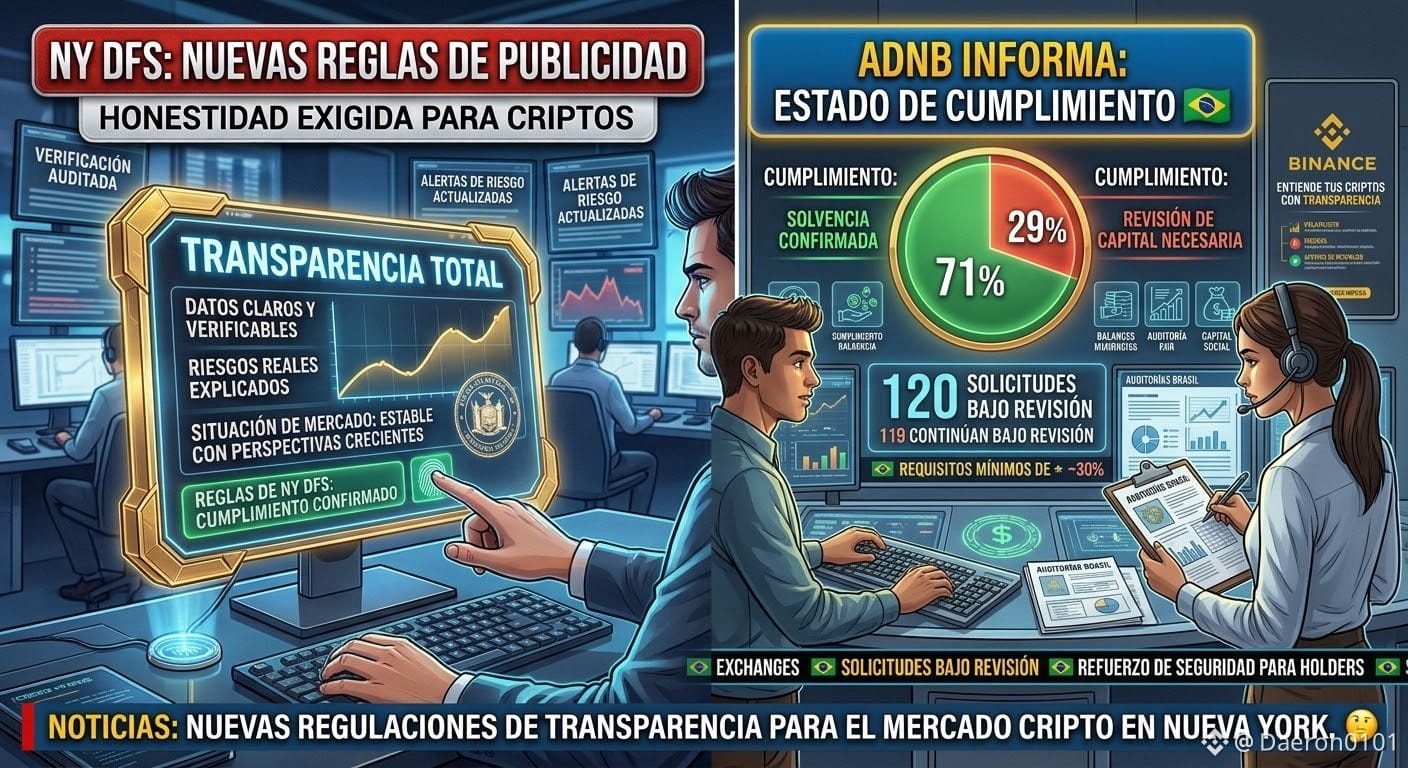
Nearly 30% of exchanges in Brazil still do not meet the required minimum capital
Brazil’s Central Bank warned that approximately 30% of cryptocurrency companies that applied for a license to operate in the country still do not meet the minimum paid-in capital requirements established by the new regulations. Of the 120 entities assessed under the new regulatory framework, 119 remain under review and must demonstrate financial solvency and provide audited financial statements to continue operating legally.
How does this affect holders?
For those who hold their cryptocurrencies long term, this measure acts as a safety filter. Requiring genuine financial backing prevents weak or illiquid platforms from managing users’ funds, reducing the risk of sudden closures or problems withdrawing money. In the long run, the market is cleansed, leaving only the strongest and most reliable platforms in operation.
Do you prefer to keep your crypto on large, regulated platforms or in your own cold wallet? How important is an exchange’s financial strength to you before you make a deposit?
Comment and let’s learn together.
$BTC $BNB
#RegulaciónCripto #SeguridadCripto #ADNB
{future}(BTCUSDT)
{future}(BNBUSDT)
Nearly 30% of exchanges in Brazil still do not meet the required minimum capital
Brazil’s Central Bank warned that approximately 30% of cryptocurrency companies that applied for a license to operate in the country still do not meet the minimum paid-in capital requirements established by the new regulations. Of the 120 entities assessed under the new regulatory framework, 119 remain under review and must demonstrate financial solvency and provide audited financial statements to continue operating legally.
How does this affect holders?
For those who hold their cryptocurrencies long term, this measure acts as a safety filter. Requiring genuine financial backing prevents weak or illiquid platforms from managing users’ funds, reducing the risk of sudden closures or problems withdrawing money. In the long run, the market is cleansed, leaving only the strongest and most reliable platforms in operation.
Do you prefer to keep your crypto on large, regulated platforms or in your own cold wallet? How important is an exchange’s financial strength to you before you make a deposit?
Comment and let’s learn together.
$BTC $BNB
#RegulaciónCripto #SeguridadCripto #ADNB
135
·
--
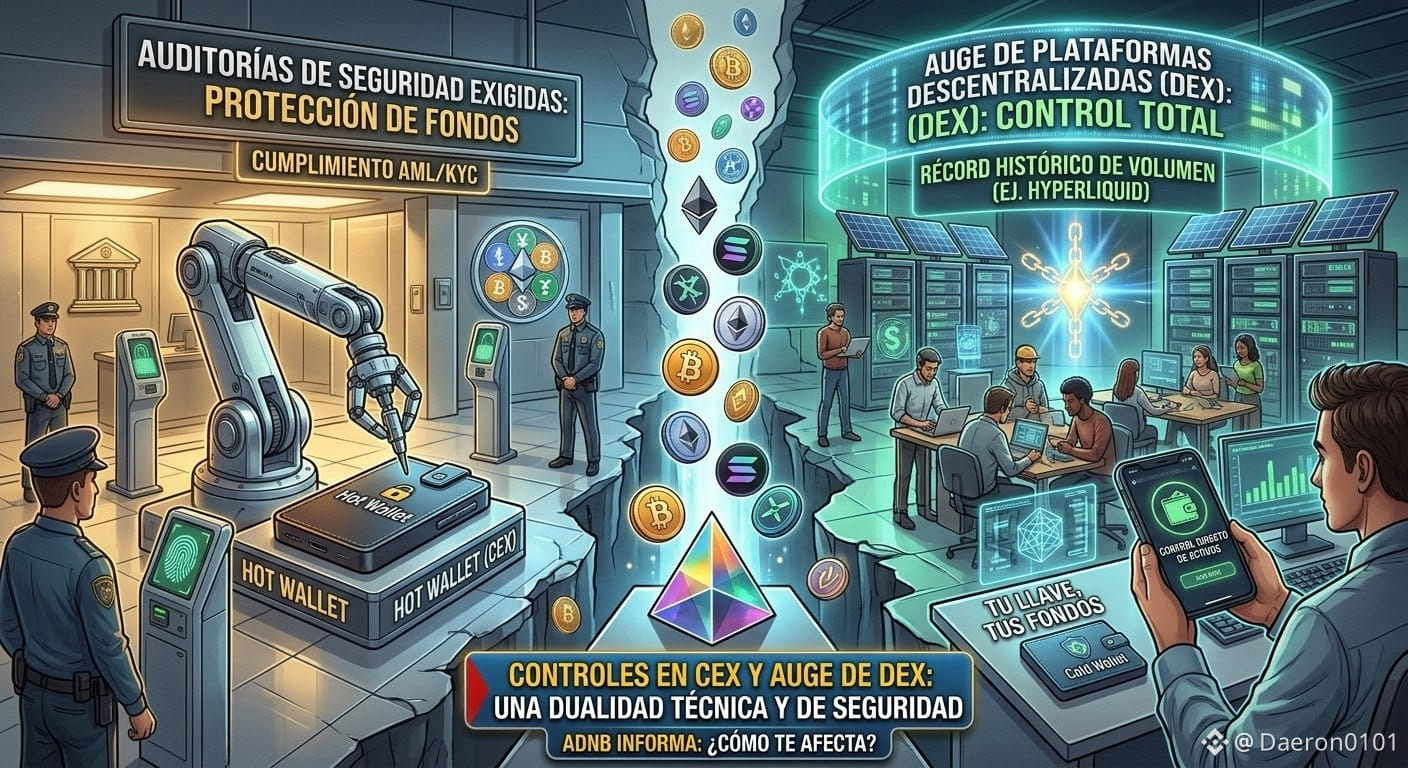
Greater oversight of centralized exchanges and the rise of decentralized platforms
The crypto market is undergoing an infrastructure transformation: while decentralized derivatives exchanges (such as Hyperliquid) continue to attract massive trading volumes and reach record levels of open interest, major centralized platforms are under scrutiny. International regulators are demanding much more rigorous security audits of hot wallets and strict anti-money laundering controls to protect users’ funds.
How does this affect holders?
For investors, this dual movement means the ecosystem is becoming more professional, but also more demanding. On the one hand, traditional centralized platforms are strengthening their security and auditing protocols to comply with the law, reducing the chances of unpleasant surprises. On the other hand, the growth of decentralized options is a reminder of the importance of understanding how on-chain finance works and the value of maintaining direct control over assets when choosing to operate without intermediaries.
Do you trust the convenience of an audited centralized exchange more, or do you prefer the complete autonomy of your own wallet? How much do you assess a platform’s technical security before using it?
Comment and let’s learn together.
$BTC $ETH $SOL
#Exchanges #HotWallets #ADNB
{future}(BTCUSDT)
{future}(ETHUSDT)
{future}(SOLUSDT)
Greater oversight of centralized exchanges and the rise of decentralized platforms
The crypto market is undergoing an infrastructure transformation: while decentralized derivatives exchanges (such as Hyperliquid) continue to attract massive trading volumes and reach record levels of open interest, major centralized platforms are under scrutiny. International regulators are demanding much more rigorous security audits of hot wallets and strict anti-money laundering controls to protect users’ funds.
How does this affect holders?
For investors, this dual movement means the ecosystem is becoming more professional, but also more demanding. On the one hand, traditional centralized platforms are strengthening their security and auditing protocols to comply with the law, reducing the chances of unpleasant surprises. On the other hand, the growth of decentralized options is a reminder of the importance of understanding how on-chain finance works and the value of maintaining direct control over assets when choosing to operate without intermediaries.
Do you trust the convenience of an audited centralized exchange more, or do you prefer the complete autonomy of your own wallet? How much do you assess a platform’s technical security before using it?
Comment and let’s learn together.
$BTC $ETH $SOL
#Exchanges #HotWallets #ADNB
1
76
·
--
New crypto advertising rules in New York require full transparency
The New York State Department of Financial Services (DFS) has introduced new, strict guidelines for advertising by cryptocurrency companies licensed in the state. The main goal is clear: to ban any advertising that is misleading or conceals the real risks involved in these investments.
From now on, all crypto companies under its supervision must provide clear, verifiable information when promoting their products. This means an end to exaggerated promises of quick profits and the concealment of crucial information. The regulation aims to protect users by requiring platforms to be completely honest about market volatility and risks, ensuring that advertising is clear, honest, and does not take advantage of the general public’s lack of knowledge.
How does this affect holders?
For everyday holders, this is great news. By requiring greater transparency and honesty in advertising, the risk of falling for traps or scams based on false promises of guaranteed returns is significantly reduced. Investors will have access to more reliable and realistic information before making decisions. In the long run, this helps create a more mature, safer, and more trustworthy market, benefiting everyone who believes in and holds their assets with a long-term outlook. Less advertising “hype” means a healthier investment environment.
Do you think these regulations in the United States should apply worldwide? Do you feel safer investing when advertising is more strictly regulated?
Comment and let’s learn together.
$BNB $ETH $BTC
#RegulaciónCripto #PublicidadHonesta #ADNB
{future}(BTCUSDT)
{future}(BNBUSDT)
{future}(ETHUSDT)
New crypto advertising rules in New York require full transparency
The New York State Department of Financial Services (DFS) has introduced new, strict guidelines for advertising by cryptocurrency companies licensed in the state. The main goal is clear: to ban any advertising that is misleading or conceals the real risks involved in these investments.
From now on, all crypto companies under its supervision must provide clear, verifiable information when promoting their products. This means an end to exaggerated promises of quick profits and the concealment of crucial information. The regulation aims to protect users by requiring platforms to be completely honest about market volatility and risks, ensuring that advertising is clear, honest, and does not take advantage of the general public’s lack of knowledge.
How does this affect holders?
For everyday holders, this is great news. By requiring greater transparency and honesty in advertising, the risk of falling for traps or scams based on false promises of guaranteed returns is significantly reduced. Investors will have access to more reliable and realistic information before making decisions. In the long run, this helps create a more mature, safer, and more trustworthy market, benefiting everyone who believes in and holds their assets with a long-term outlook. Less advertising “hype” means a healthier investment environment.
Do you think these regulations in the United States should apply worldwide? Do you feel safer investing when advertising is more strictly regulated?
Comment and let’s learn together.
$BNB $ETH $BTC
#RegulaciónCripto #PublicidadHonesta #ADNB

119
·
--
The crypto market pulls back and Bitcoin falls below $70,000 USD
Over the past few hours, the cryptocurrency market has experienced a day of heavy selling, causing Bitcoin to temporarily lose the $70,000 USD support level and dragging down major coins such as ETH and BNB. This pullback is mainly due to concerns about new U.S. inflation data and the automatic closure of thousands of short-term leveraged positions.
How does this affect holders?
For those investing for the long term, these sharp declines don't change the fundamentals of their projects, but they do test their patience and emotional control. Seeing their portfolios in the red can cause panic and lead them to sell at a loss; however, for many disciplined holders, these pullbacks are simply temporary noise or an opportunity to gradually accumulate at better prices without letting emotions take over.
How do you manage your emotions on red days like today? Do you take the opportunity to accumulate, or do you prefer to wait for the market to calm down?
Comment and let's learn together.
$BTC $ETH $BNB
#CryptoNews #bitcoin #ADNB
{future}(BTCUSDT)
{future}(BNBUSDT)
{future}(ETHUSDT)
The crypto market pulls back and Bitcoin falls below $70,000 USD
Over the past few hours, the cryptocurrency market has experienced a day of heavy selling, causing Bitcoin to temporarily lose the $70,000 USD support level and dragging down major coins such as ETH and BNB. This pullback is mainly due to concerns about new U.S. inflation data and the automatic closure of thousands of short-term leveraged positions.
How does this affect holders?
For those investing for the long term, these sharp declines don't change the fundamentals of their projects, but they do test their patience and emotional control. Seeing their portfolios in the red can cause panic and lead them to sell at a loss; however, for many disciplined holders, these pullbacks are simply temporary noise or an opportunity to gradually accumulate at better prices without letting emotions take over.
How do you manage your emotions on red days like today? Do you take the opportunity to accumulate, or do you prefer to wait for the market to calm down?
Comment and let's learn together.
$BTC $ETH $BNB
#CryptoNews #bitcoin #ADNB

121
·
--
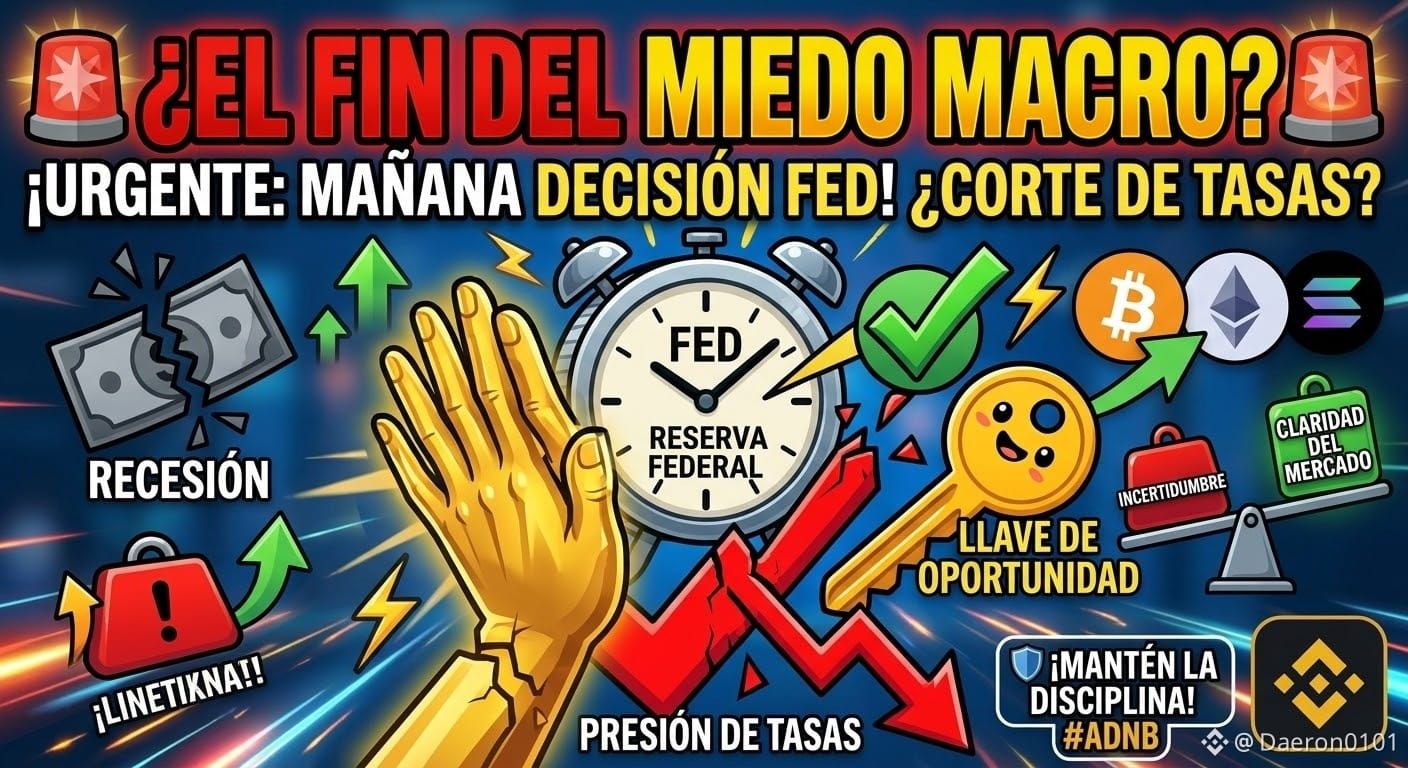
🚨 Attention, Community! What should we expect from tomorrow’s macroeconomic decision?
Global markets and the crypto sector are waiting expectantly for the Federal Reserve’s next monetary policy announcement (the FED, the United States’ central bank, which is responsible for setting interest rates and controlling the money supply globally), a key factor that often triggers high price volatility.
Here’s a summary of the key points to help you understand the situation without panicking:
📉 Expectations and interest rates: Investors are keeping a close eye on whether interest rates will remain unchanged or be cut, since any change in dollar liquidity directly affects appetite for risk assets such as cryptocurrencies.
⚡ Short-term volatility: Price movements ahead of these announcements often create false breakouts on charts, shaking both long and short positions in the futures market.
🛡️ Discipline-focused approach (#ADNB ): On days with important macroeconomic announcements, the best strategy is strict risk management. Protect your capital, avoid excessive leverage, and stay calm while the market absorbs the news.
💬 Share your thoughts and let’s learn together: How do you prepare for days with major macroeconomic events? Do you prefer to trade the volatility or stay on the sidelines until the trend becomes clear?
$BTC
#CryptoNews #BinanceSquare
{future}(BTCUSDT)
🚨 Attention, Community! What should we expect from tomorrow’s macroeconomic decision?
Global markets and the crypto sector are waiting expectantly for the Federal Reserve’s next monetary policy announcement (the FED, the United States’ central bank, which is responsible for setting interest rates and controlling the money supply globally), a key factor that often triggers high price volatility.
Here’s a summary of the key points to help you understand the situation without panicking:
📉 Expectations and interest rates: Investors are keeping a close eye on whether interest rates will remain unchanged or be cut, since any change in dollar liquidity directly affects appetite for risk assets such as cryptocurrencies.
⚡ Short-term volatility: Price movements ahead of these announcements often create false breakouts on charts, shaking both long and short positions in the futures market.
🛡️ Discipline-focused approach (#ADNB ): On days with important macroeconomic announcements, the best strategy is strict risk management. Protect your capital, avoid excessive leverage, and stay calm while the market absorbs the news.
💬 Share your thoughts and let’s learn together: How do you prepare for days with major macroeconomic events? Do you prefer to trade the volatility or stay on the sidelines until the trend becomes clear?
$BTC
#CryptoNews #BinanceSquare
71
·
--
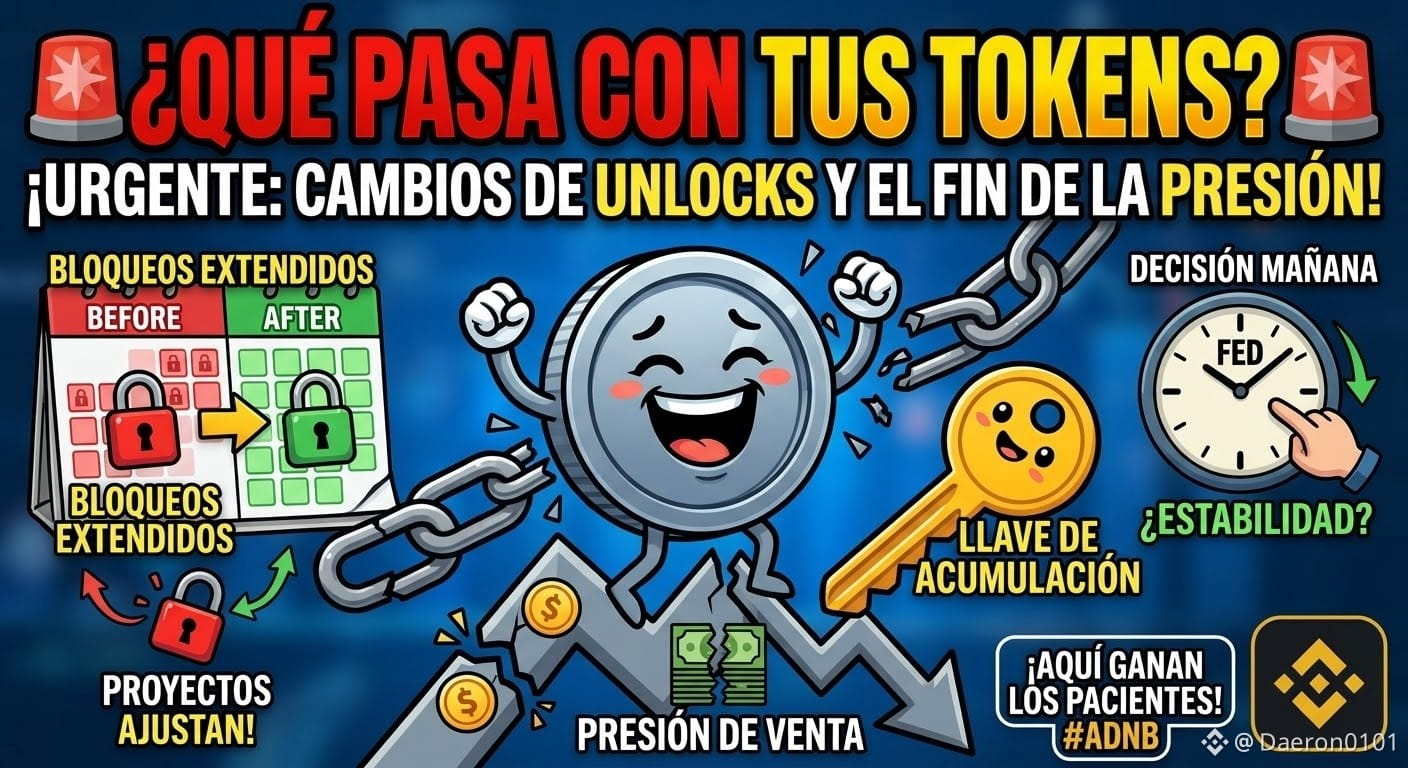
🚨 Attention, Investors! Changes to Token Unlocks and Their Market Impact: What Should You Know?
The crypto ecosystem moves fast, and recent adjustments to token release schedules (token unlocks, which are scheduled dates when cryptocurrencies that were locked up for founders, early investors, or development teams are released onto the market) are changing the rules of the game for several projects.
Here’s a summary of the key points to help you understand what’s happening without panicking:
🔓 Extended lockups: Several major projects have decided to postpone and extend the lockup periods for their teams and key investors, which drastically reduces mass selling pressure in the short term.
⚖️ Supply relief: Fewer tokens entering the market all at once means less downward pressure on prices, allowing supply and demand to find better balance around support levels.
🛡️ Focus on Discipline (#ADNB ): Changes in tokenomics (the economics of tokens) are fundamental. Don’t trade based on media noise; analyze which projects protect their communities over the long term and stick to a clear strategy.
💬 Comment and let’s learn together: Do you check unlock schedules before adding a project to your portfolio, or do you prefer to rely solely on technical analysis?
$BNB
#CryptoNews #BinanceSquare
{spot}(BNBUSDT)
🚨 Attention, Investors! Changes to Token Unlocks and Their Market Impact: What Should You Know?
The crypto ecosystem moves fast, and recent adjustments to token release schedules (token unlocks, which are scheduled dates when cryptocurrencies that were locked up for founders, early investors, or development teams are released onto the market) are changing the rules of the game for several projects.
Here’s a summary of the key points to help you understand what’s happening without panicking:
🔓 Extended lockups: Several major projects have decided to postpone and extend the lockup periods for their teams and key investors, which drastically reduces mass selling pressure in the short term.
⚖️ Supply relief: Fewer tokens entering the market all at once means less downward pressure on prices, allowing supply and demand to find better balance around support levels.
🛡️ Focus on Discipline (#ADNB ): Changes in tokenomics (the economics of tokens) are fundamental. Don’t trade based on media noise; analyze which projects protect their communities over the long term and stick to a clear strategy.
💬 Comment and let’s learn together: Do you check unlock schedules before adding a project to your portfolio, or do you prefer to rely solely on technical analysis?
$BNB
#CryptoNews #BinanceSquare
87
·
--
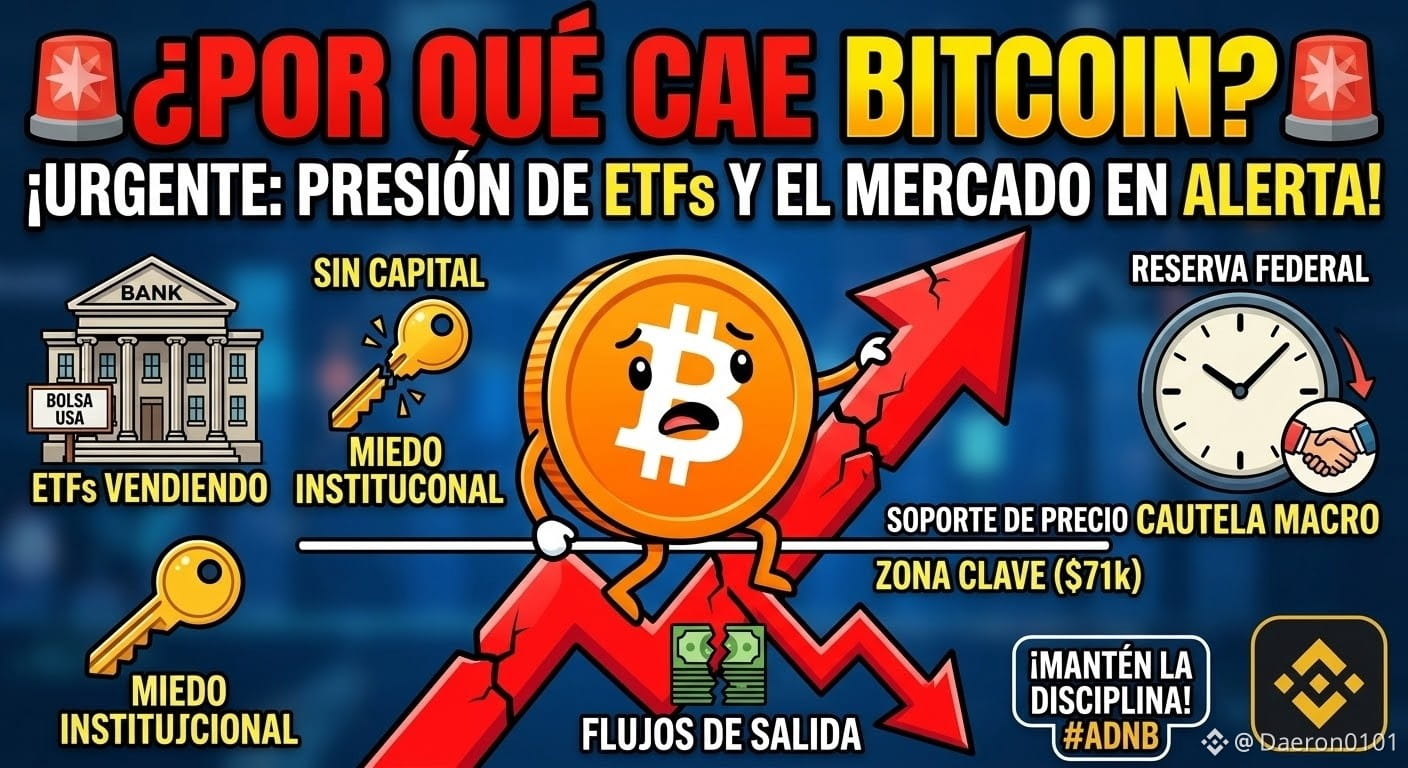
🚨 Attention Traders! Bitcoin loses momentum and is looking for a key zone: What’s happening in the market?
The crypto market is going through a period of heightened attention this week. Bitcoin (BTC) is trading around $71,400–$73,000 USD, facing temporary downward pressure that has caught the Binance Square community’s attention.
Here’s a summary of the key points to help you understand the move without panicking:
📉 Outflows from Spot ETFs: Several consecutive days of net capital outflows have been recorded from U.S. spot Bitcoin ETFs (Exchange-Traded Funds), reflecting a more cautious short-term stance among institutional investors.
⚖️ Macroeconomic factors: The general caution aligns with market expectations ahead of upcoming monetary policy decisions and global volatility.
🛡️ Focus on Discipline (#ADNB ): Pullbacks in support zones are situations where patience and risk management take priority. Don’t trade on emotional impulse; remember to keep your accumulation strategy clear and always protect your margin.
💬 Comment and let’s learn together: How are you managing your portfolio amid this Bitcoin move? Do you prefer to accumulate in support zones, or are you holding USDT liquidity while waiting for more clarity in the market? I’m reading your comments!
$BTC
#bitcoin #cryptotrading #BinanceSquare
{future}(BTCUSDT)
🚨 Attention Traders! Bitcoin loses momentum and is looking for a key zone: What’s happening in the market?
The crypto market is going through a period of heightened attention this week. Bitcoin (BTC) is trading around $71,400–$73,000 USD, facing temporary downward pressure that has caught the Binance Square community’s attention.
Here’s a summary of the key points to help you understand the move without panicking:
📉 Outflows from Spot ETFs: Several consecutive days of net capital outflows have been recorded from U.S. spot Bitcoin ETFs (Exchange-Traded Funds), reflecting a more cautious short-term stance among institutional investors.
⚖️ Macroeconomic factors: The general caution aligns with market expectations ahead of upcoming monetary policy decisions and global volatility.
🛡️ Focus on Discipline (#ADNB ): Pullbacks in support zones are situations where patience and risk management take priority. Don’t trade on emotional impulse; remember to keep your accumulation strategy clear and always protect your margin.
💬 Comment and let’s learn together: How are you managing your portfolio amid this Bitcoin move? Do you prefer to accumulate in support zones, or are you holding USDT liquidity while waiting for more clarity in the market? I’m reading your comments!
$BTC
#bitcoin #cryptotrading #BinanceSquare
72
·
--
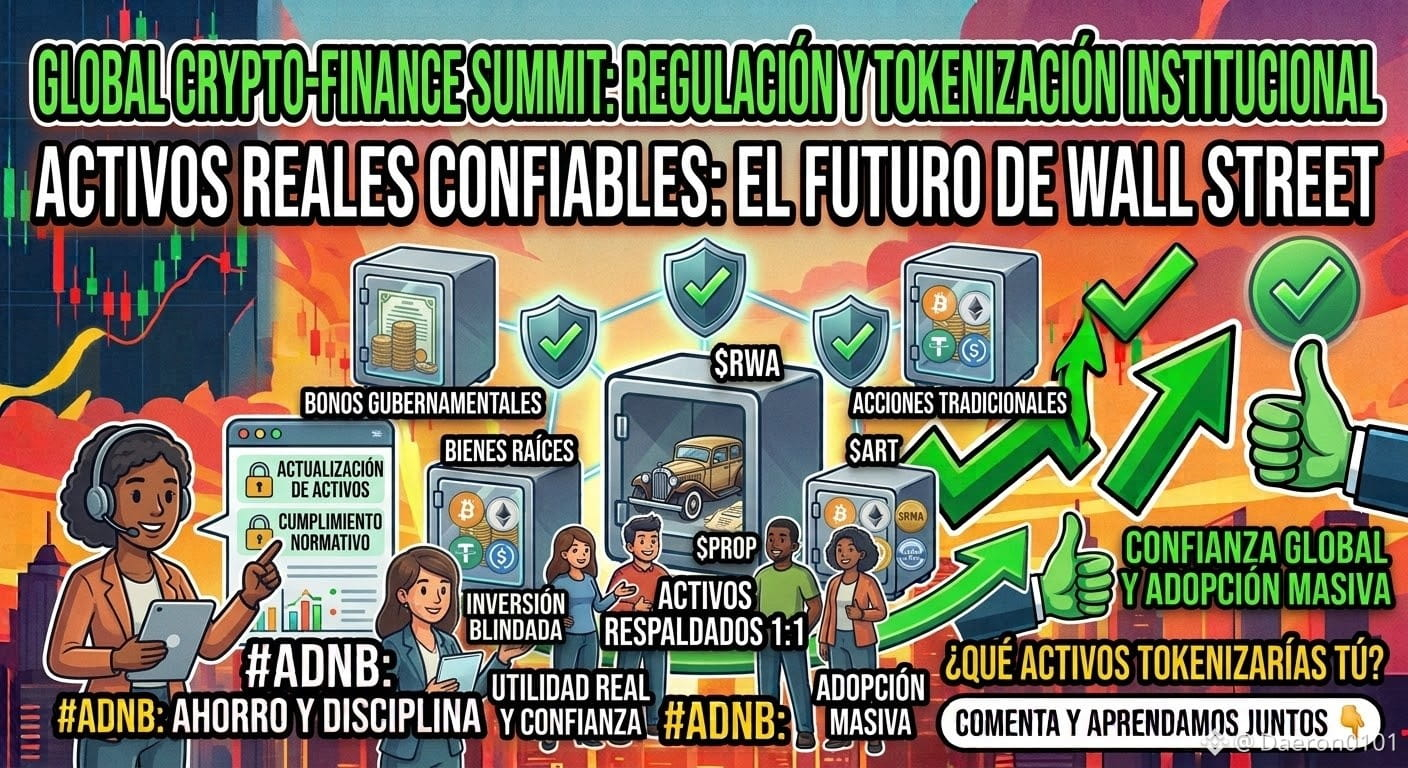
🏦 Institutional Adoption: Wall Street Drives Tokenization and RWA Assets
If you're wondering what's beyond the daily speculation, the major trend gaining momentum in the ecosystem is the tokenization of Real-World Assets (RWA).
Major financial institutions and investment funds on Wall Street are integrating blockchain technology to tokenize traditional assets—such as government bonds and real estate.
This allows complex financial instruments to move with the speed, transparency, and security of the blockchain, opening the door to widespread, regulated adoption.
💡 Reminder #ADNB (Savings, Discipline, and New Benefits): Seeing traditional financial infrastructure merge with cryptocurrencies confirms that the future is heading toward real-world utility and regulatory compliance.
What types of real-world assets would you like to see tokenized and easily available in the crypto ecosystem?
Comment and let's learn together 👇
#Binance #EducaciónFinanciera
$BNB $BTC
{future}(BNBUSDT)
{future}(BTCUSDT)
🏦 Institutional Adoption: Wall Street Drives Tokenization and RWA Assets
If you're wondering what's beyond the daily speculation, the major trend gaining momentum in the ecosystem is the tokenization of Real-World Assets (RWA).
Major financial institutions and investment funds on Wall Street are integrating blockchain technology to tokenize traditional assets—such as government bonds and real estate.
This allows complex financial instruments to move with the speed, transparency, and security of the blockchain, opening the door to widespread, regulated adoption.
💡 Reminder #ADNB (Savings, Discipline, and New Benefits): Seeing traditional financial infrastructure merge with cryptocurrencies confirms that the future is heading toward real-world utility and regulatory compliance.
What types of real-world assets would you like to see tokenized and easily available in the crypto ecosystem?
Comment and let's learn together 👇
#Binance #EducaciónFinanciera
$BNB $BTC
1
51
·
--
Article
Winter, a trap, or the bottom? An X-ray of the current downturn and what the history of crypto teaches usBinance’s comment sections are ablaze. With every week of corrections, collective sentiment swings between discouragement and outright panic. There is no shortage of people calling cryptocurrencies and the platform itself a “scam,” or suspecting that the commission coupons and bonuses recently handed out are the industry’s last-ditch effort to retain liquidity.
Amid this uncertainty, it is vital to set aside the emotional noise, analyze the real macroeconomic factors, review what is happening with technical levels, and see what the history of market cycles can tell us.
Winter, a trap, or the bottom? An X-ray of the current downturn and what the history of crypto teaches us
Binance’s comment sections are ablaze. With every week of corrections, collective sentiment swings between discouragement and outright panic. There is no shortage of people calling cryptocurrencies and the platform itself a “scam,” or suspecting that the commission coupons and bonuses recently handed out are the industry’s last-ditch effort to retain liquidity.
Amid this uncertainty, it is vital to set aside the emotional noise, analyze the real macroeconomic factors, review what is happening with technical levels, and see what the history of market cycles can tell us.
Amid this uncertainty, it is vital to set aside the emotional noise, analyze the real macroeconomic factors, review what is happening with technical levels, and see what the history of market cycles can tell us.
64
·
--
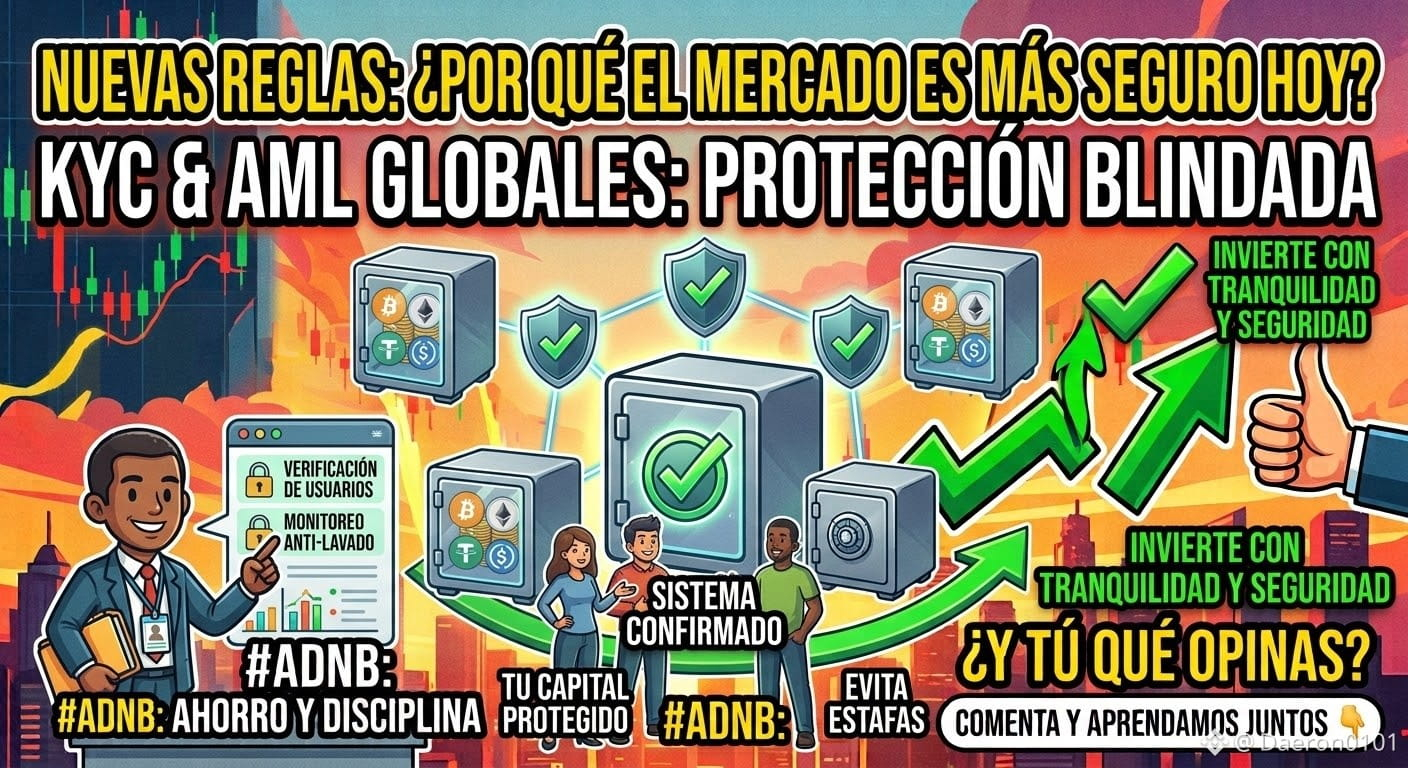
⚖️ Clearer rules: Why is the crypto market becoming safer?
If you’ve noticed that platforms are asking for more information or that there are new rules in the digital world, don’t worry. This is all part of a global effort to protect your money.
These days, regulated exchanges apply stricter security checks (KYC and AML) and block interactions with questionable platforms or those sanctioned by international organizations. The goal is simple: prevent scams, secure the system, and make sure you’re operating in a 100% legal and trustworthy environment.
💡 Reminder #ADNB (Savings, Discipline, and New Benefits): Operating on platforms that comply with regulations gives you peace of mind, knowing that your capital is protected under international standards.
What do you think of these security measures? Do you feel they make the crypto world more trustworthy for everyone?
Comment and let’s learn together 👇
#Binance #EducaciónFinanciera
$BNB
$BTC
{future}(BNBUSDT)
{future}(BTCUSDT)
⚖️ Clearer rules: Why is the crypto market becoming safer?
If you’ve noticed that platforms are asking for more information or that there are new rules in the digital world, don’t worry. This is all part of a global effort to protect your money.
These days, regulated exchanges apply stricter security checks (KYC and AML) and block interactions with questionable platforms or those sanctioned by international organizations. The goal is simple: prevent scams, secure the system, and make sure you’re operating in a 100% legal and trustworthy environment.
💡 Reminder #ADNB (Savings, Discipline, and New Benefits): Operating on platforms that comply with regulations gives you peace of mind, knowing that your capital is protected under international standards.
What do you think of these security measures? Do you feel they make the crypto world more trustworthy for everyone?
Comment and let’s learn together 👇
#Binance #EducaciónFinanciera
$BNB
$BTC
91
·
--
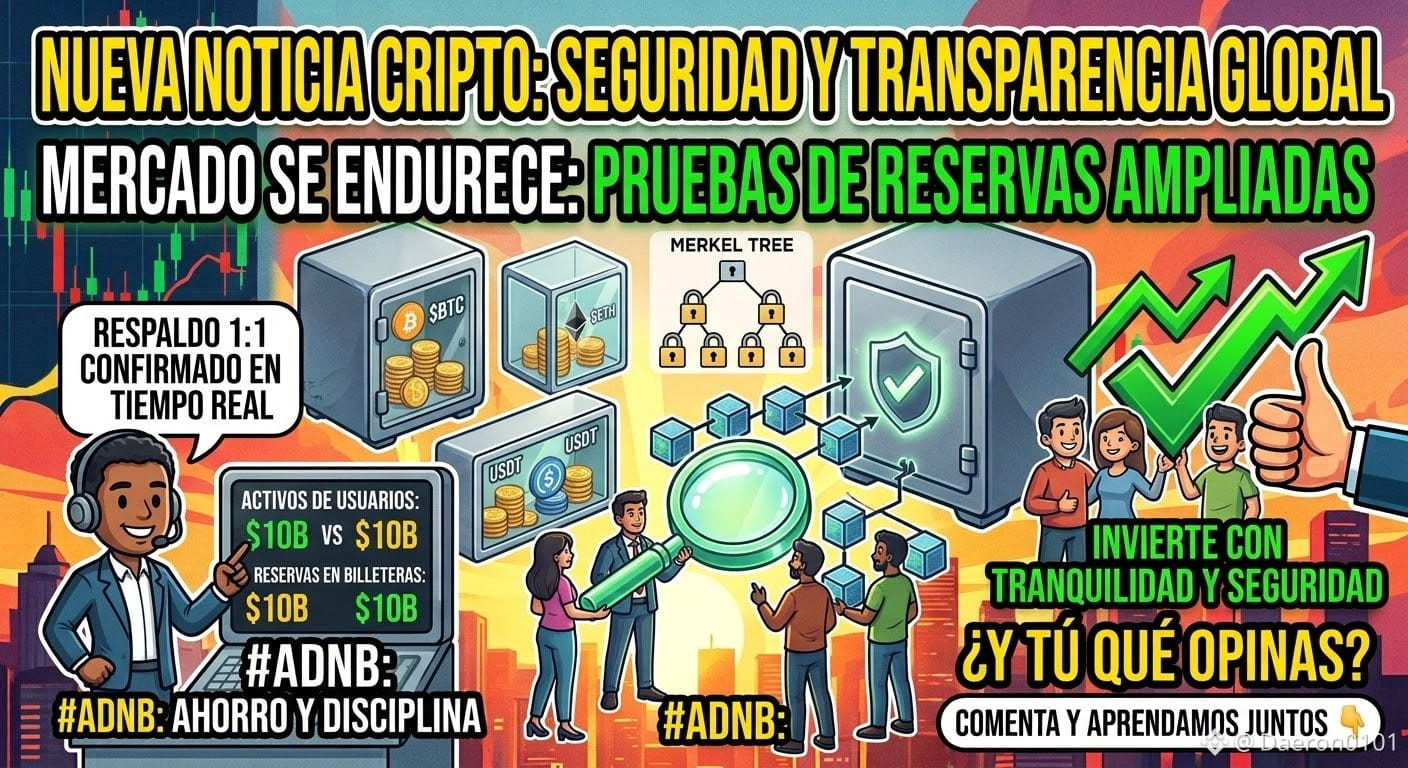
🏦 What are Proof of Reserves, and why do they matter so much?
If you’ve ever wondered how you can be sure your cryptocurrencies are actually held on the platform and won’t be used for something else, the answer is Proof of Reserves (PoR).
Simply put, it’s like a real-time digital audit. Using cryptographic tools (such as Merkle trees), platforms publicly prove that they have 1:1 backing: for every coin you and other users deposit, the platform holds that same coin in its wallets. This ensures complete transparency and security for your funds.
💡 Reminder #ADNB (Saving, Discipline, and New Benefits): Using platforms that conduct regular audits protects your capital and gives you the peace of mind you need to focus on your long-term goals.
Have you ever verified your balances using these auditing tools on the platform? How important do you think transparency is when choosing where to store your crypto?
Comment and let’s learn together 👇
$BNB $BTC
#Binance #EducaciónFinanciera #CryptoSeguridad
{future}(BTCUSDT)
{future}(BNBUSDT)
🏦 What are Proof of Reserves, and why do they matter so much?
If you’ve ever wondered how you can be sure your cryptocurrencies are actually held on the platform and won’t be used for something else, the answer is Proof of Reserves (PoR).
Simply put, it’s like a real-time digital audit. Using cryptographic tools (such as Merkle trees), platforms publicly prove that they have 1:1 backing: for every coin you and other users deposit, the platform holds that same coin in its wallets. This ensures complete transparency and security for your funds.
💡 Reminder #ADNB (Saving, Discipline, and New Benefits): Using platforms that conduct regular audits protects your capital and gives you the peace of mind you need to focus on your long-term goals.
Have you ever verified your balances using these auditing tools on the platform? How important do you think transparency is when choosing where to store your crypto?
Comment and let’s learn together 👇
$BNB $BTC
#Binance #EducaciónFinanciera #CryptoSeguridad
66
·
--
📉 Why did Bitcoin prices fall today?
If you opened the app and saw your portfolio in the red, don’t worry! This is very normal in the crypto market.
Today $BTC fell to around $74,500 and $ETH to $2,100. This often happens when many investors decide to take profits at the same time, causing a temporary price adjustment.
💡 Reminder #ADNB (Savings, Discipline, and New Benefits): Stay calm, avoid selling based on emotion, and stick to your investment plan.
How do you handle market downturns? Do you take the opportunity to accumulate more, or do you prefer to wait for things to stabilize?
Comment and let’s learn together 👇
#Binance
{future}(BTCUSDT)
{future}(ETHUSDT)
📉 Why did Bitcoin prices fall today?
If you opened the app and saw your portfolio in the red, don’t worry! This is very normal in the crypto market.
Today $BTC fell to around $74,500 and $ETH to $2,100. This often happens when many investors decide to take profits at the same time, causing a temporary price adjustment.
💡 Reminder #ADNB (Savings, Discipline, and New Benefits): Stay calm, avoid selling based on emotion, and stick to your investment plan.
How do you handle market downturns? Do you take the opportunity to accumulate more, or do you prefer to wait for things to stabilize?
Comment and let’s learn together 👇
#Binance

106
·
--
🚀 Institutional momentum and new horizons in the Web3 world! 🌐
Hello, everyone! Although the broader market sometimes gets a little cautious, major institutional players (investment funds and large companies) aren’t slowing down. We’re seeing a very interesting shift toward alternative technologies and decentralized products.
Here are two key points:
Staking ETFs (reward-generating funds): Projects like Injective ($INJ ) are drawing attention because the industry is looking for financial vehicles that don’t just track prices, but also let investors earn passive returns by locking up cryptocurrencies to support the network (what we call staking).
Web3 and DeFi infrastructure: Demand is growing for decentralized tools (Decentralized Finance, or DeFi) and self-custody wallets, driving platforms focused on liquidity and full user control.
What does this mean for those of us just getting started?
It means technology keeps evolving beyond Bitcoin. Seeing major institutions take an interest in yield-generating products (staking) shows us where the future of digital money is headed. That said, remember that these ecosystems require a little more research before you dive in.
#ADNB #BTC
💬 Have you tried any Web3 tools or platforms to put your crypto to work, or do you prefer to keep things simple on an exchange? Let me know in the comments! 👇
{future}(INJUSDT)
🚀 Institutional momentum and new horizons in the Web3 world! 🌐
Hello, everyone! Although the broader market sometimes gets a little cautious, major institutional players (investment funds and large companies) aren’t slowing down. We’re seeing a very interesting shift toward alternative technologies and decentralized products.
Here are two key points:
Staking ETFs (reward-generating funds): Projects like Injective ($INJ ) are drawing attention because the industry is looking for financial vehicles that don’t just track prices, but also let investors earn passive returns by locking up cryptocurrencies to support the network (what we call staking).
Web3 and DeFi infrastructure: Demand is growing for decentralized tools (Decentralized Finance, or DeFi) and self-custody wallets, driving platforms focused on liquidity and full user control.
What does this mean for those of us just getting started?
It means technology keeps evolving beyond Bitcoin. Seeing major institutions take an interest in yield-generating products (staking) shows us where the future of digital money is headed. That said, remember that these ecosystems require a little more research before you dive in.
#ADNB #BTC
💬 Have you tried any Web3 tools or platforms to put your crypto to work, or do you prefer to keep things simple on an exchange? Let me know in the comments! 👇

247
·
--
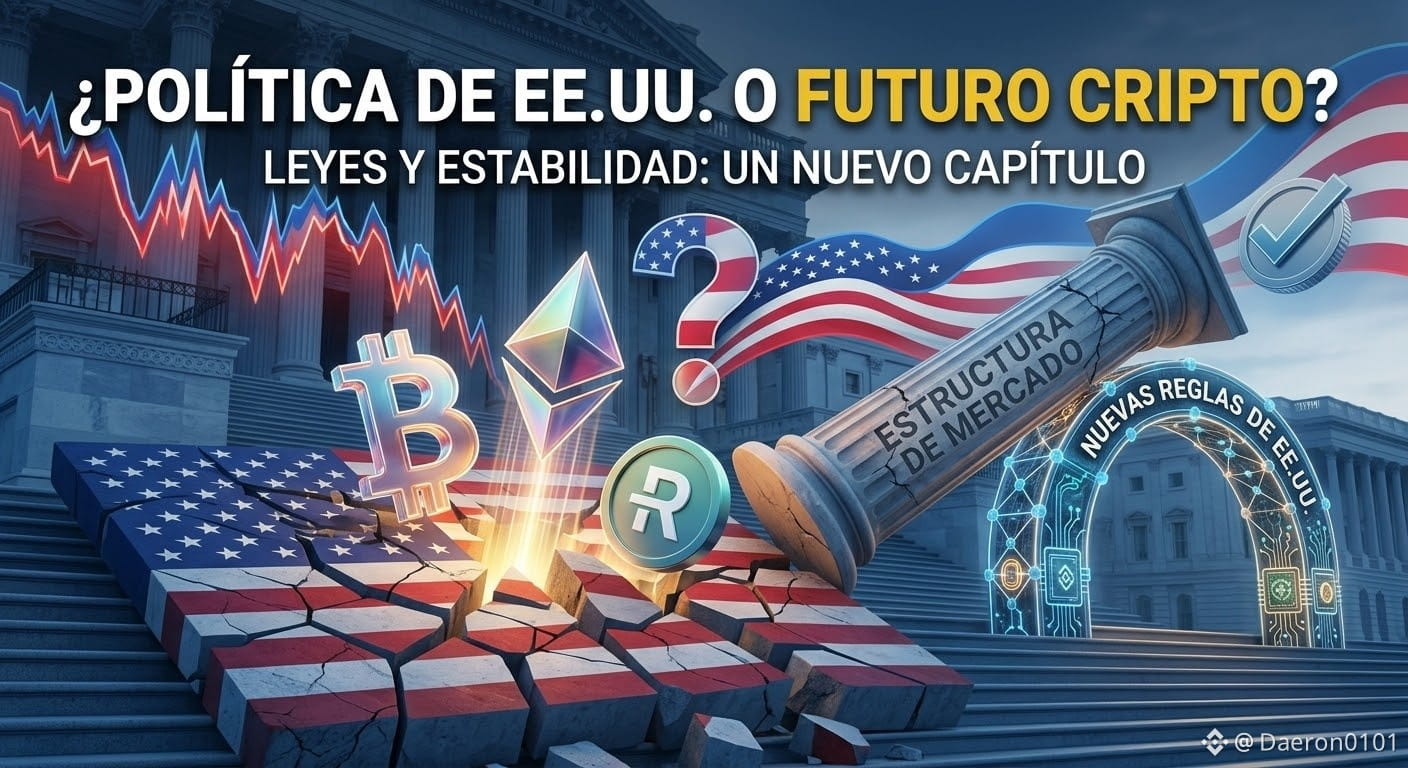
🏛️ How does U.S. politics affect the future of cryptocurrencies? 🇺🇸
Hello everyone! Although politics and cryptocurrencies sometimes seem to be on separate paths, what happens in the U.S. Congress ends up affecting the entire crypto world.
Following the recent elections and midterm elections in the U.S., a new legislative chapter has begun. Lawmakers are bringing key discussions to the table that will define the rules of the game:
Market structure: The goal is to clearly define which government agency will oversee each asset (such as the debate between the SEC, which regulates securities, and the CFTC, which oversees commodities).
Stablecoin regulation: New rules for stablecoin issuers (such as those pegged to the dollar), requiring solid reserve backing to better protect users.
Platform oversight: Clearer rules for centralized exchanges and intermediaries in the sector.
What does this mean for those of us just getting started?
Formal regulation is on its way. Although it may sound complicated at first, clear laws tend to give large institutional investors more confidence to enter the market for the long term, making the entire ecosystem more robust.
#ADNB
$BNB $BTC
💬 Do you think clearer regulation in the U.S. will help more people trust cryptocurrencies, or would you rather see the ecosystem remain completely free? Share your thoughts, and let's learn together 👇
{future}(BNBUSDT)
{future}(BTCUSDT)
🏛️ How does U.S. politics affect the future of cryptocurrencies? 🇺🇸
Hello everyone! Although politics and cryptocurrencies sometimes seem to be on separate paths, what happens in the U.S. Congress ends up affecting the entire crypto world.
Following the recent elections and midterm elections in the U.S., a new legislative chapter has begun. Lawmakers are bringing key discussions to the table that will define the rules of the game:
Market structure: The goal is to clearly define which government agency will oversee each asset (such as the debate between the SEC, which regulates securities, and the CFTC, which oversees commodities).
Stablecoin regulation: New rules for stablecoin issuers (such as those pegged to the dollar), requiring solid reserve backing to better protect users.
Platform oversight: Clearer rules for centralized exchanges and intermediaries in the sector.
What does this mean for those of us just getting started?
Formal regulation is on its way. Although it may sound complicated at first, clear laws tend to give large institutional investors more confidence to enter the market for the long term, making the entire ecosystem more robust.
#ADNB
$BNB $BTC
💬 Do you think clearer regulation in the U.S. will help more people trust cryptocurrencies, or would you rather see the ecosystem remain completely free? Share your thoughts, and let's learn together 👇
100
·
--
🔓 Back to normal! Progress in restoring withdrawals and services 🛡️
Hello everyone! Following the recent security incidents in the ecosystem, leading platforms are taking firm steps to normalize their services.
At Binance, the gradual reopening of withdrawals for multiple networks and Layer 1 tokens (the main networks), as well as standards like ERC-20 (the token format on the Ethereum network), continues. These include assets such as $HYPE , $APT , and $RLUSD .
Why is this a step-by-step process? 🧐
Security verification: Thorough testing to safeguard funds.
Active monitoring: Alert systems to prevent unexpected issues.
Stability: Preventing network congestion.
What does this mean for us?
Patience and caution. If you were waiting to transfer a token, access is being enabled gradually and securely. Protecting our funds will always be the priority! 🛡️
#ADNB #bnb
💬 Were you waiting for withdrawals to reopen on a particular network? Comment and let's learn together 👇
{future}(HYPEUSDT)
{future}(APTUSDT)
{spot}(RLUSDUSDT)
🔓 Back to normal! Progress in restoring withdrawals and services 🛡️
Hello everyone! Following the recent security incidents in the ecosystem, leading platforms are taking firm steps to normalize their services.
At Binance, the gradual reopening of withdrawals for multiple networks and Layer 1 tokens (the main networks), as well as standards like ERC-20 (the token format on the Ethereum network), continues. These include assets such as $HYPE , $APT , and $RLUSD .
Why is this a step-by-step process? 🧐
Security verification: Thorough testing to safeguard funds.
Active monitoring: Alert systems to prevent unexpected issues.
Stability: Preventing network congestion.
What does this mean for us?
Patience and caution. If you were waiting to transfer a token, access is being enabled gradually and securely. Protecting our funds will always be the priority! 🛡️
#ADNB #bnb
💬 Were you waiting for withdrawals to reopen on a particular network? Comment and let's learn together 👇

125
·
--
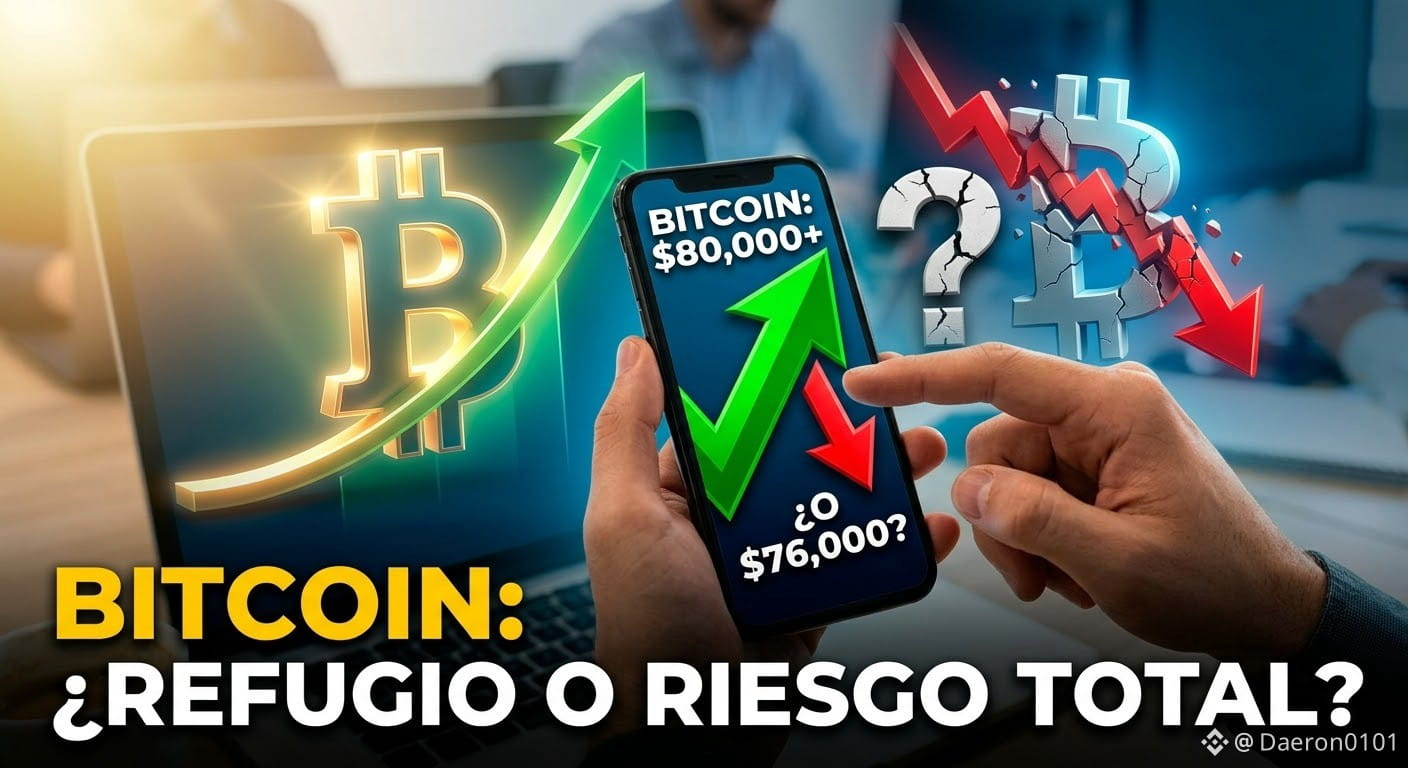
📉 Is Bitcoin catching its breath or about to fall further? 🤖
Hi everyone! If you’ve been checking the app these past few days, you’ve probably seen that the market has been like a roller coaster.
Right now, Bitcoin ($BTC ) is trying to find “stability.” This just means that after rising so much, the price has dipped a little and is now looking for a foothold so it doesn’t keep falling. The range everyone is watching is between $76,000 and $80,000 USD.
Why did this happen? 🧐
ETF outflows (investment funds): Large investors withdrew some of their money from these exchange-traded funds.
Profit-taking: Many traders chose to sell part of their holdings to secure their gains (in English, take profit), which creates selling pressure.
Liquidity adjustment: The derivatives market (contracts where people speculate on future prices) is being reshuffled.
What does this mean for those of us who are just starting out?
There’s no need to panic. Volatility (those sharp price swings) is normal here. If $BTC stays above $76,000 USD, it could be a great sign of strength. If it breaks below that level, we’ll need to watch for new entry opportunities and be patient.
#ADNB #BTC
💬 What do you think? Do you think $BTC will bounce at $76k and aim for new highs, or is a stronger correction coming? Share your thoughts and let’s get the conversation going together 👇
{future}(BTCUSDT)
📉 Is Bitcoin catching its breath or about to fall further? 🤖
Hi everyone! If you’ve been checking the app these past few days, you’ve probably seen that the market has been like a roller coaster.
Right now, Bitcoin ($BTC ) is trying to find “stability.” This just means that after rising so much, the price has dipped a little and is now looking for a foothold so it doesn’t keep falling. The range everyone is watching is between $76,000 and $80,000 USD.
Why did this happen? 🧐
ETF outflows (investment funds): Large investors withdrew some of their money from these exchange-traded funds.
Profit-taking: Many traders chose to sell part of their holdings to secure their gains (in English, take profit), which creates selling pressure.
Liquidity adjustment: The derivatives market (contracts where people speculate on future prices) is being reshuffled.
What does this mean for those of us who are just starting out?
There’s no need to panic. Volatility (those sharp price swings) is normal here. If $BTC stays above $76,000 USD, it could be a great sign of strength. If it breaks below that level, we’ll need to watch for new entry opportunities and be patient.
#ADNB #BTC
💬 What do you think? Do you think $BTC will bounce at $76k and aim for new highs, or is a stronger correction coming? Share your thoughts and let’s get the conversation going together 👇
1
341
·
--
🚨 World Liberty Financial announces token buyback and Trump-linked meme tokens soar (and crash)
The crypto-political scene is heating up. World Liberty Financial, the Trump family's DeFi project, announces a strategic token buyback plan $WLFI .
🔍 What to watch:
WLF: The goal is to stabilize the price, reduce the circulating supply, and boost investor confidence. A move to strengthen the ecosystem in the long term.
Meme tokens: Meanwhile, other Trump-inspired tokens are experiencing extreme post-election volatility. Speculative frenzy is at its peak, with brutal rises and falls in a matter of minutes.
Is this buyback a sign of maturity for Trump's project, or are we witnessing a new chapter of pure political speculation?
Comment and let's learn together 👇
$WLFI
#ADNB #WorldLibertyFinancial #TRUMP
{spot}(WLFIUSDT)
🚨 World Liberty Financial announces token buyback and Trump-linked meme tokens soar (and crash)
The crypto-political scene is heating up. World Liberty Financial, the Trump family's DeFi project, announces a strategic token buyback plan $WLFI .
🔍 What to watch:
WLF: The goal is to stabilize the price, reduce the circulating supply, and boost investor confidence. A move to strengthen the ecosystem in the long term.
Meme tokens: Meanwhile, other Trump-inspired tokens are experiencing extreme post-election volatility. Speculative frenzy is at its peak, with brutal rises and falls in a matter of minutes.
Is this buyback a sign of maturity for Trump's project, or are we witnessing a new chapter of pure political speculation?
Comment and let's learn together 👇
$WLFI
#ADNB #WorldLibertyFinancial #TRUMP

1
99
Log in to explore more content
Join global crypto users on Binance Square
⚡️ Get latest and useful information about crypto.
💬 Trusted by the world’s largest crypto exchange.
👍 Discover real insights from verified creators.
Email / Phone number
Trending Topics
1
#WhoWillSucceedJensenHuangatNvidia?
106,668 views
1,320 Discussing
2
#WhatWillDriveCryptoandStocks’NextRebound?
480,267 views
3,216 Discussing
3
#BitcoinActiveSupplyInProfitDropsBelow45%
39,798 views
506 Discussing
4
#KavaSaysAbnormalActivityLimitedToKavaLend
17,613 views
268 Discussing
5
#USSpotXRPETFsSeeLargestWeeklyOutflowIn8Months
15,055 views
234 Discussing
6
#USPPIMissMayEaseBTCPressure
234,887 views
2,121 Discussing
7
#WORPTLetsTouristsConvertCryptoToThaiBaht
4,396 views
65 Discussing
8
#TONStrategyReports$23.97MQ3NetLoss
5,927 views
41 Discussing
9
#PolkadotCommunityApprovesNewStrategyWith97%Vote
22,017 views
261 Discussing
10
#dYdXPlansV9.9UpgradeToShiftUSDCToInjective
15,452 views
213 Discussing