
#riskmanagement
riskmanagement
17.8M views
70,410 Discussing
Hot
Latest
·
--
Bearish
THE HARDEST PART OF TRADING WITH SMALL CAPITAL.
Sometimes, the problem isn't that we don't know where to place our stop-loss. The problem is that we don't have money we're comfortable losing.
We enter a trade hoping to win because every dollar matters. We don't have that extra capital that we can comfortably put at risk and accept losing if the market proves our analysis wrong.
When the trade approaches our stop-loss, fear kicks in.
We start moving the stop-loss, closing positions too early, or holding losing trades longer than we should.
Why? Because losing that money hurts more than it should.
But here's the uncomfortable truth:
The market doesn't know how much we need that money. It won't change direction because we cannot afford to lose.
Trading requires capital that allows us to accept risk without compromising our financial stability.
If losing your planned stop-loss would affect your basic needs, perhaps that position is too large, or that money shouldn't be in the market in the first place.
Sometimes, the best trade is no trade at all.
We don't just need money to enter the market. We need money we can afford to put at risk.
What do you think? Is this one of the biggest challenges facing traders with small capital?
$BTC
{future}(BTCUSDT)
$ETH
{future}(ETHUSDT)
$SOL
{future}(SOLUSDT)
#WhatWillDriveCryptoandStocks’NextRebound? #RiskManagement
#priceaction
THE HARDEST PART OF TRADING WITH SMALL CAPITAL.
Sometimes, the problem isn't that we don't know where to place our stop-loss. The problem is that we don't have money we're comfortable losing.
We enter a trade hoping to win because every dollar matters. We don't have that extra capital that we can comfortably put at risk and accept losing if the market proves our analysis wrong.
When the trade approaches our stop-loss, fear kicks in.
We start moving the stop-loss, closing positions too early, or holding losing trades longer than we should.
Why? Because losing that money hurts more than it should.
But here's the uncomfortable truth:
The market doesn't know how much we need that money. It won't change direction because we cannot afford to lose.
Trading requires capital that allows us to accept risk without compromising our financial stability.
If losing your planned stop-loss would affect your basic needs, perhaps that position is too large, or that money shouldn't be in the market in the first place.
Sometimes, the best trade is no trade at all.
We don't just need money to enter the market. We need money we can afford to put at risk.
What do you think? Is this one of the biggest challenges facing traders with small capital?
$BTC
$ETH
$SOL
#WhatWillDriveCryptoandStocks’NextRebound? #RiskManagement
#priceaction
Sometimes, the problem isn't that we don't know where to place our stop-loss. The problem is that we don't have money we're comfortable losing.
We enter a trade hoping to win because every dollar matters. We don't have that extra capital that we can comfortably put at risk and accept losing if the market proves our analysis wrong.
When the trade approaches our stop-loss, fear kicks in.
We start moving the stop-loss, closing positions too early, or holding losing trades longer than we should.
Why? Because losing that money hurts more than it should.
But here's the uncomfortable truth:
The market doesn't know how much we need that money. It won't change direction because we cannot afford to lose.
Trading requires capital that allows us to accept risk without compromising our financial stability.
If losing your planned stop-loss would affect your basic needs, perhaps that position is too large, or that money shouldn't be in the market in the first place.
Sometimes, the best trade is no trade at all.
We don't just need money to enter the market. We need money we can afford to put at risk.
What do you think? Is this one of the biggest challenges facing traders with small capital?
$BTC
$ETH
$SOL
#WhatWillDriveCryptoandStocks’NextRebound? #RiskManagement
#priceaction
124
·
--
Bearish
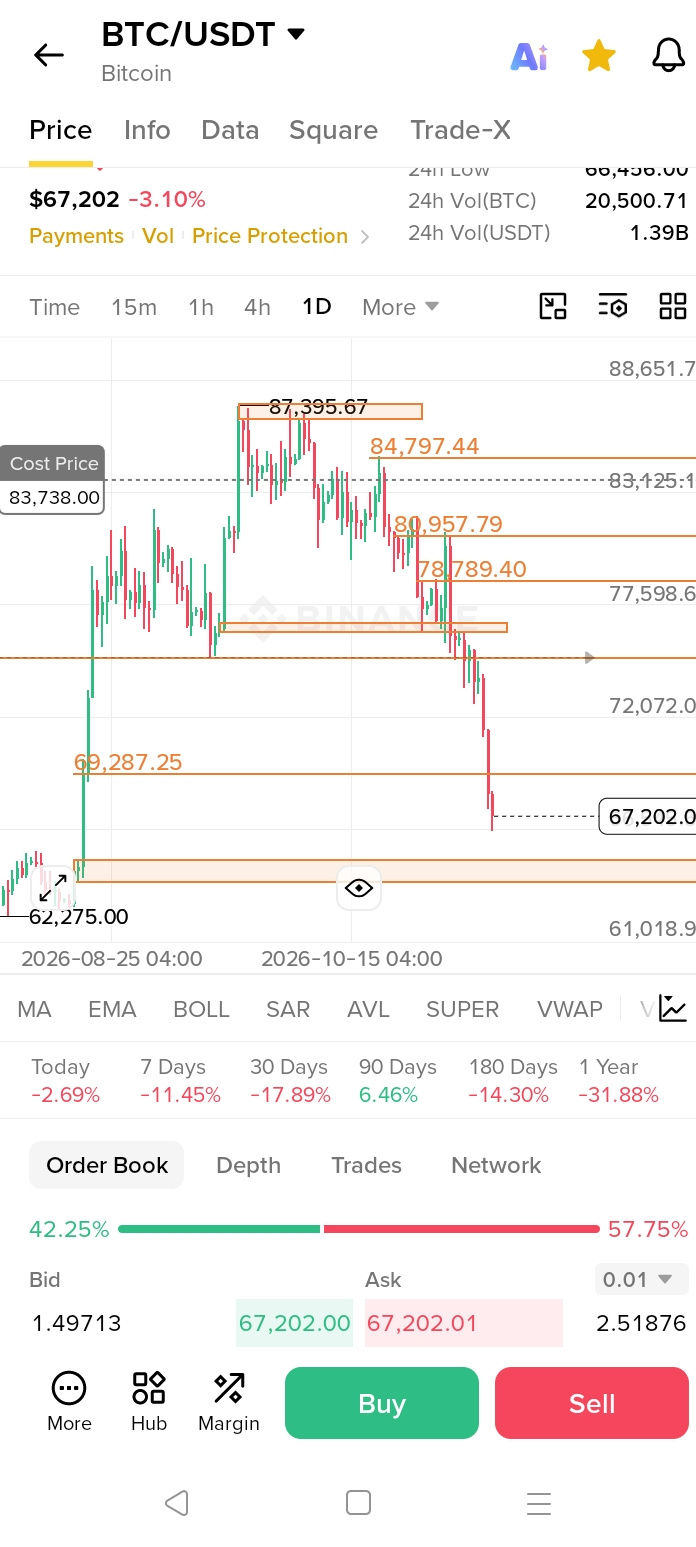
I lost almost everything trying to catch a falling knife. When Bitcoin dropped from $85k to $80k, I went all-in, convinced the bull rally was about to start. When it crashed further to $70k, I doubled down again—and watched my hard-earned savings vanish. With bills to pay, food to put on the table, and basic needs to cover, I had no choice but to step away from the charts and return to hard manual labor to rebuild my life from zero. To everyone trading right now: never invest money you need to survive, never try to time the exact bottom without a stop-loss, and never let emotion override risk management. Charts can wipe out your wallet in days, but honest work and discipline will always help you stand back up. Stay safe, protect your capital, and never gamble your livelihood. 🙏
#RiskManagement
#downfallnear
I lost almost everything trying to catch a falling knife. When Bitcoin dropped from $85k to $80k, I went all-in, convinced the bull rally was about to start. When it crashed further to $70k, I doubled down again—and watched my hard-earned savings vanish. With bills to pay, food to put on the table, and basic needs to cover, I had no choice but to step away from the charts and return to hard manual labor to rebuild my life from zero. To everyone trading right now: never invest money you need to survive, never try to time the exact bottom without a stop-loss, and never let emotion override risk management. Charts can wipe out your wallet in days, but honest work and discipline will always help you stand back up. Stay safe, protect your capital, and never gamble your livelihood. 🙏
#RiskManagement
#downfallnear
#RiskManagement
#downfallnear

Mr_Scalp:
37$😂
42
2
144
115.4k

·
--
Article
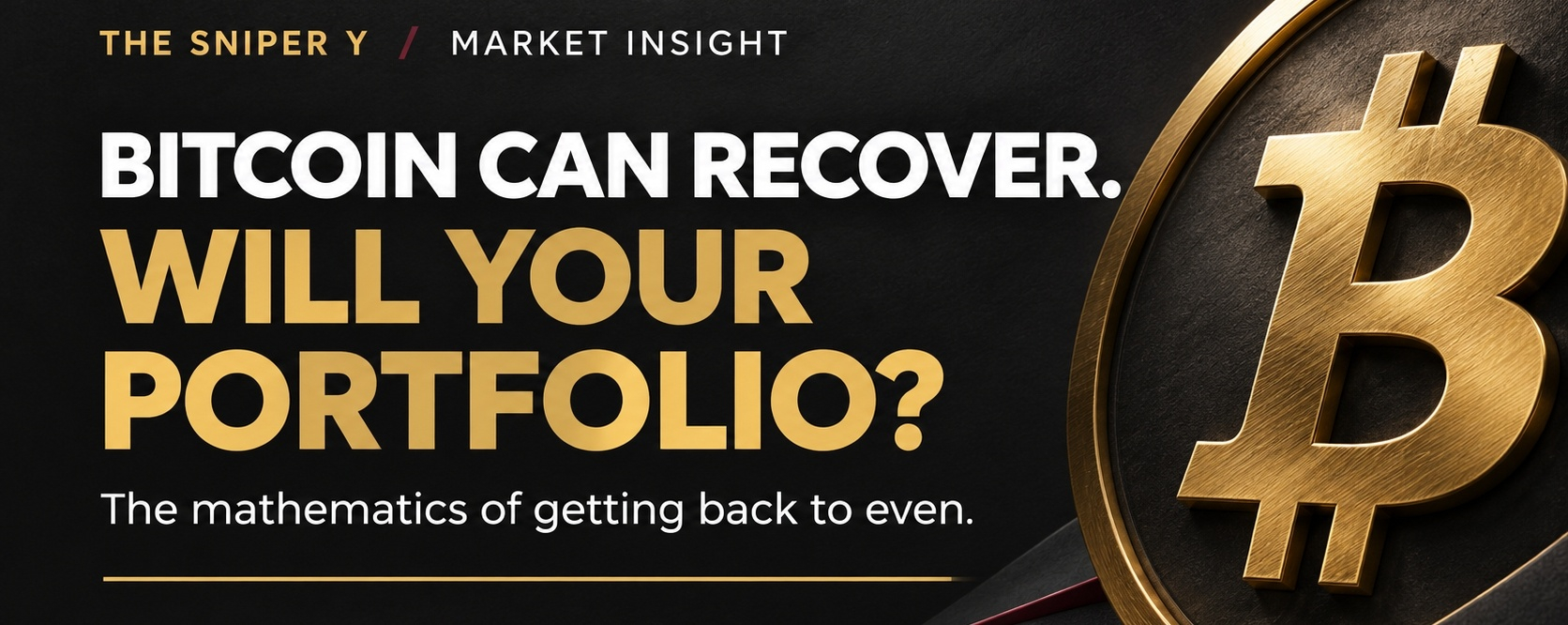
Bitcoin Can Recover Before Your Portfolio Does. Here’s the Trap.Imagine @bitcoin rallies 20% from your entry.
You called the direction correctly. The recovery happened. Yet your account is still worth less than it was before the selloff.
That outcome is entirely possible.
It starts with confusing three separate things: a market recovery, a profitable trade, and the recovery of your own capital.
In a market under pressure, that confusion can become expensive.
The evidence: withdrawals are still withdrawals
Farside Investors recorded $185.4 million in net outflows from US spot Bitcoin ETFs on November 13: $143.5 million from IBIT and $41.9 million from FBTC.
That was smaller than the $284.1 million withdrawn the previous session-approximately 35% smaller, calculated from the published totals.
A useful improvement. But the direction of the flow remained negative.
My interpretation: easing withdrawals are worth watching, but a stronger recovery thesis needs evidence that demand can absorb supply consistently.
ETF flows are only one channel. They do not capture every buyer, identify every investor’s motive, or dictate Bitcoin’s next candle.
Still, there is a meaningful difference between money leaving more slowly and money returning.
The portfolio trap: the percentages do not cancel out
Consider a hypothetical $1,000 spot position, with no additional deposits, fees or borrowing:
• A 40% decline reduces it to $600.
• A subsequent 40% rally lifts it to $840.
• You remain 16% below your starting capital.
To recover from $600 to $1,000, you need a 66.7% gain.
The recovery hurdle grows as the drawdown deepens:
• Down 20% → needs 25% to recover.
• Down 40% → needs 66.7%.
• Down 60% → needs 150%.
• Down 80% → needs 400%.
These are arithmetic relationships, not forecasts.
They explain why “I’ll make it back on the bounce” can become a much larger bet than it sounds.
Bitcoin’s recovery is not a promise to every token
A rising BTC price does not establish that every altcoin will return to its previous high.
Each asset has its own supply schedule, market depth, demand and potential selling pressure. A token can rise against dollars while continuing to lose value against Bitcoin.
That creates an uncomfortable question:
Are you holding an asset because its current case is strong—or because its old price has become your target?
The price you paid matters to your accounting. It does not create demand from the next buyer.
A correct forecast can still produce a failed trade
Borrowing adds another constraint: the path price takes before the recovery.
A trader can correctly anticipate a rebound and still lose the position during an earlier decline. Liquidation can remove the opportunity to participate when the forecast finally plays out.
That is why I separate two questions:
“Could this market recover?”
“Can this position survive the conditions under which I expect that recovery?”
The first is a market thesis. The second is a position-design problem.
They need separate answers.
What would strengthen my recovery thesis?
I would look for several observations to improve together:
Demand persists. Spot buying and fund flows strengthen across multiple sessions.
Reclaimed levels hold. Buyers defend a recovery when price returns to test it.
Participation broadens. Strength reaches more of the market, rather than depending on a handful of isolated moves.
None of these guarantees a bottom. Together, they give me more useful evidence than a dramatic green candle.
If rallies keep failing and withdrawals persist, I would reduce confidence in the recovery thesis.
The question worth asking before the bounce
Before choosing an upside target, calculate your recovery hurdle.
Then ask whether the asset, position size and time horizon still make sense from today’s price.
A useful test is:
“If I held the remaining value in cash today, would I choose this same position?”
A different answer deserves attention.
Bitcoin may recover. Your portfolio’s recovery will also depend on what you own, how much you risk, and whether you can stay in the position long enough for the thesis to be tested.
Which deserves more attention right now: calling Bitcoin’s bottom, or understanding what your portfolio needs to recover?
- The Sniper Y
Data: Farside Investors, US Bitcoin ETF flows, November 12–13, 2026. Percentage comparison calculated from published totals. Portfolio examples are hypothetical and exclude fees.
$BTC
#BTC走势分析 #TheSniperY #WhoWillSucceedJensenHuangatNvidia?
#RiskManagement
Bitcoin Can Recover Before Your Portfolio Does. Here’s the Trap.
Imagine @Bitcoin rallies 20% from your entry.
You called the direction correctly. The recovery happened. Yet your account is still worth less than it was before the selloff.
That outcome is entirely possible.
It starts with confusing three separate things: a market recovery, a profitable trade, and the recovery of your own capital.
In a market under pressure, that confusion can become expensive.
The evidence: withdrawals are still withdrawals
Farside Investors recorded $185.4 million in net outflows from US spot Bitcoin ETFs on November 13: $143.5 million from IBIT and $41.9 million from FBTC.
That was smaller than the $284.1 million withdrawn the previous session-approximately 35% smaller, calculated from the published totals.
A useful improvement. But the direction of the flow remained negative.
My interpretation: easing withdrawals are worth watching, but a stronger recovery thesis needs evidence that demand can absorb supply consistently.
ETF flows are only one channel. They do not capture every buyer, identify every investor’s motive, or dictate Bitcoin’s next candle.
Still, there is a meaningful difference between money leaving more slowly and money returning.
The portfolio trap: the percentages do not cancel out
Consider a hypothetical $1,000 spot position, with no additional deposits, fees or borrowing:
• A 40% decline reduces it to $600.
• A subsequent 40% rally lifts it to $840.
• You remain 16% below your starting capital.
To recover from $600 to $1,000, you need a 66.7% gain.
The recovery hurdle grows as the drawdown deepens:
• Down 20% → needs 25% to recover.
• Down 40% → needs 66.7%.
• Down 60% → needs 150%.
• Down 80% → needs 400%.
These are arithmetic relationships, not forecasts.
They explain why “I’ll make it back on the bounce” can become a much larger bet than it sounds.
Bitcoin’s recovery is not a promise to every token
A rising BTC price does not establish that every altcoin will return to its previous high.
Each asset has its own supply schedule, market depth, demand and potential selling pressure. A token can rise against dollars while continuing to lose value against Bitcoin.
That creates an uncomfortable question:
Are you holding an asset because its current case is strong—or because its old price has become your target?
The price you paid matters to your accounting. It does not create demand from the next buyer.
A correct forecast can still produce a failed trade
Borrowing adds another constraint: the path price takes before the recovery.
A trader can correctly anticipate a rebound and still lose the position during an earlier decline. Liquidation can remove the opportunity to participate when the forecast finally plays out.
That is why I separate two questions:
“Could this market recover?”
“Can this position survive the conditions under which I expect that recovery?”
The first is a market thesis. The second is a position-design problem.
They need separate answers.
What would strengthen my recovery thesis?
I would look for several observations to improve together:
Demand persists. Spot buying and fund flows strengthen across multiple sessions.
Reclaimed levels hold. Buyers defend a recovery when price returns to test it.
Participation broadens. Strength reaches more of the market, rather than depending on a handful of isolated moves.
None of these guarantees a bottom. Together, they give me more useful evidence than a dramatic green candle.
If rallies keep failing and withdrawals persist, I would reduce confidence in the recovery thesis.
The question worth asking before the bounce
Before choosing an upside target, calculate your recovery hurdle.
Then ask whether the asset, position size and time horizon still make sense from today’s price.
A useful test is:
“If I held the remaining value in cash today, would I choose this same position?”
A different answer deserves attention.
Bitcoin may recover. Your portfolio’s recovery will also depend on what you own, how much you risk, and whether you can stay in the position long enough for the thesis to be tested.
Which deserves more attention right now: calling Bitcoin’s bottom, or understanding what your portfolio needs to recover?
- The Sniper Y
Data: Farside Investors, US Bitcoin ETF flows, November 12–13, 2026. Percentage comparison calculated from published totals. Portfolio examples are hypothetical and exclude fees.
$BTC
#BTC走势分析 #TheSniperY #WhoWillSucceedJensenHuangatNvidia?
#RiskManagement
You called the direction correctly. The recovery happened. Yet your account is still worth less than it was before the selloff.
That outcome is entirely possible.
It starts with confusing three separate things: a market recovery, a profitable trade, and the recovery of your own capital.
In a market under pressure, that confusion can become expensive.
The evidence: withdrawals are still withdrawals
Farside Investors recorded $185.4 million in net outflows from US spot Bitcoin ETFs on November 13: $143.5 million from IBIT and $41.9 million from FBTC.
That was smaller than the $284.1 million withdrawn the previous session-approximately 35% smaller, calculated from the published totals.
A useful improvement. But the direction of the flow remained negative.
My interpretation: easing withdrawals are worth watching, but a stronger recovery thesis needs evidence that demand can absorb supply consistently.
ETF flows are only one channel. They do not capture every buyer, identify every investor’s motive, or dictate Bitcoin’s next candle.
Still, there is a meaningful difference between money leaving more slowly and money returning.
The portfolio trap: the percentages do not cancel out
Consider a hypothetical $1,000 spot position, with no additional deposits, fees or borrowing:
• A 40% decline reduces it to $600.
• A subsequent 40% rally lifts it to $840.
• You remain 16% below your starting capital.
To recover from $600 to $1,000, you need a 66.7% gain.
The recovery hurdle grows as the drawdown deepens:
• Down 20% → needs 25% to recover.
• Down 40% → needs 66.7%.
• Down 60% → needs 150%.
• Down 80% → needs 400%.
These are arithmetic relationships, not forecasts.
They explain why “I’ll make it back on the bounce” can become a much larger bet than it sounds.
Bitcoin’s recovery is not a promise to every token
A rising BTC price does not establish that every altcoin will return to its previous high.
Each asset has its own supply schedule, market depth, demand and potential selling pressure. A token can rise against dollars while continuing to lose value against Bitcoin.
That creates an uncomfortable question:
Are you holding an asset because its current case is strong—or because its old price has become your target?
The price you paid matters to your accounting. It does not create demand from the next buyer.
A correct forecast can still produce a failed trade
Borrowing adds another constraint: the path price takes before the recovery.
A trader can correctly anticipate a rebound and still lose the position during an earlier decline. Liquidation can remove the opportunity to participate when the forecast finally plays out.
That is why I separate two questions:
“Could this market recover?”
“Can this position survive the conditions under which I expect that recovery?”
The first is a market thesis. The second is a position-design problem.
They need separate answers.
What would strengthen my recovery thesis?
I would look for several observations to improve together:
Demand persists. Spot buying and fund flows strengthen across multiple sessions.
Reclaimed levels hold. Buyers defend a recovery when price returns to test it.
Participation broadens. Strength reaches more of the market, rather than depending on a handful of isolated moves.
None of these guarantees a bottom. Together, they give me more useful evidence than a dramatic green candle.
If rallies keep failing and withdrawals persist, I would reduce confidence in the recovery thesis.
The question worth asking before the bounce
Before choosing an upside target, calculate your recovery hurdle.
Then ask whether the asset, position size and time horizon still make sense from today’s price.
A useful test is:
“If I held the remaining value in cash today, would I choose this same position?”
A different answer deserves attention.
Bitcoin may recover. Your portfolio’s recovery will also depend on what you own, how much you risk, and whether you can stay in the position long enough for the thesis to be tested.
Which deserves more attention right now: calling Bitcoin’s bottom, or understanding what your portfolio needs to recover?
- The Sniper Y
Data: Farside Investors, US Bitcoin ETF flows, November 12–13, 2026. Percentage comparison calculated from published totals. Portfolio examples are hypothetical and exclude fees.
$BTC
#BTC走势分析 #TheSniperY #WhoWillSucceedJensenHuangatNvidia?
#RiskManagement
1
48

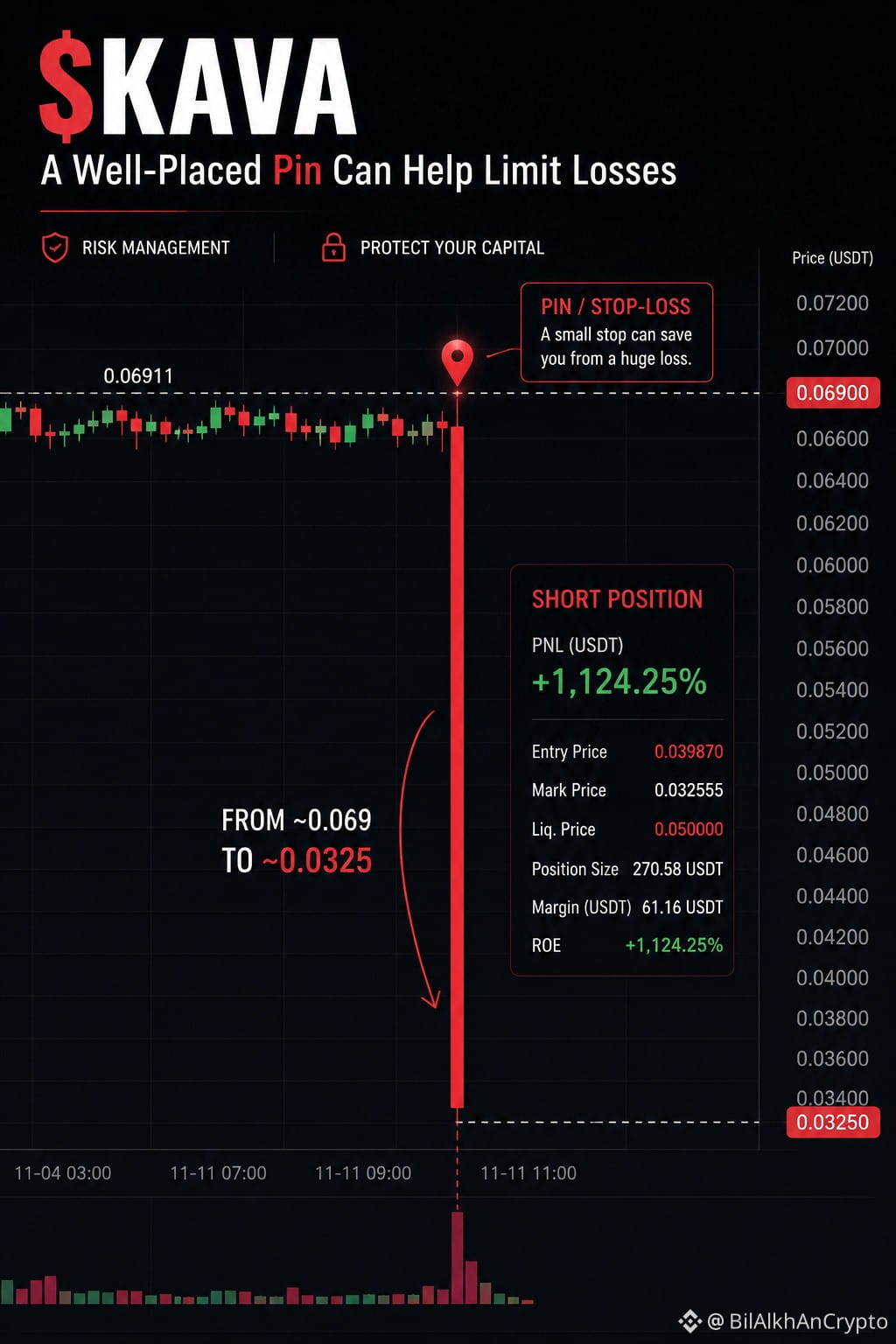
$KAVA 📌 Sometimes, a well-placed pin can make all the difference and help you avoid a major loss. Risk management matters! 📉💪
#KAVA #CryptoTrading #RiskManagement #altcoins #TradingTips
{future}(KAVAUSDT)
$KAVA 📌 Sometimes, a well-placed pin can make all the difference and help you avoid a major loss. Risk management matters! 📉💪
#KAVA #CryptoTrading #RiskManagement #altcoins #TradingTips
#KAVA #CryptoTrading #RiskManagement #altcoins #TradingTips
1

🧠 BTC TRADING PSYCHOLOGY: A PLAN PROTECTS YOU FROM FOMO
FOMO often appears when the market moves quickly. But reacting late without a plan can turn excitement into avoidable risk.
A disciplined approach starts before the trade: • Define the setup
• Define what invalidates the idea
• Understand the risk
• Avoid chasing candles
Opportunities return. Capital and emotional control are worth protecting.
#BTC #TradingPsychology #RiskManagement #CryptoEducation $BTC
{future}(BTCUSDT)
🧠 BTC TRADING PSYCHOLOGY: A PLAN PROTECTS YOU FROM FOMO
FOMO often appears when the market moves quickly. But reacting late without a plan can turn excitement into avoidable risk.
A disciplined approach starts before the trade: • Define the setup
• Define what invalidates the idea
• Understand the risk
• Avoid chasing candles
Opportunities return. Capital and emotional control are worth protecting.
#BTC #TradingPsychology #RiskManagement #CryptoEducation $BTC
FOMO often appears when the market moves quickly. But reacting late without a plan can turn excitement into avoidable risk.
A disciplined approach starts before the trade: • Define the setup
• Define what invalidates the idea
• Understand the risk
• Avoid chasing candles
Opportunities return. Capital and emotional control are worth protecting.
#BTC #TradingPsychology #RiskManagement #CryptoEducation $BTC
2

·
--
Red market? Read this before you click anything.
When everything is bleeding, the hardest trade is the one you don't take. A few things worth remembering:
1️⃣ Survive first. You can't catch the next move if your account is gone. Protecting capital beats chasing a bounce.
2️⃣ Don't "average down" out of panic. Adding to a loser because it feels cheap isn't a strategy. Only add if it was already part of your plan.
3️⃣ Cut your size, not your discipline. Volatile markets mean wider swings. Trade smaller, keep your stop-loss where you set it.
4️⃣ Stop checking every 5 minutes. Constant screen-watching leads to emotional decisions. Set alerts, then step away.
5️⃣ Never trade with money you need. Rent, bills, and emergency savings don't belong in a bear market.
6️⃣ Use this time to learn. Review your past trades. Bad markets teach more than good ones.
Every cycle feels like "this time is different." It rarely is, but the people who stay calm and keep their capital are the ones still standing when it turns.
How are you handling this dip: holding, waiting, or stepping back? 👇
$BTC $BNB
#Binance #CryptoMarket #RiskManagement #TradingPsychology
Not financial advice. Trade responsibly.
Red market? Read this before you click anything.
When everything is bleeding, the hardest trade is the one you don't take. A few things worth remembering:
1️⃣ Survive first. You can't catch the next move if your account is gone. Protecting capital beats chasing a bounce.
2️⃣ Don't "average down" out of panic. Adding to a loser because it feels cheap isn't a strategy. Only add if it was already part of your plan.
3️⃣ Cut your size, not your discipline. Volatile markets mean wider swings. Trade smaller, keep your stop-loss where you set it.
4️⃣ Stop checking every 5 minutes. Constant screen-watching leads to emotional decisions. Set alerts, then step away.
5️⃣ Never trade with money you need. Rent, bills, and emergency savings don't belong in a bear market.
6️⃣ Use this time to learn. Review your past trades. Bad markets teach more than good ones.
Every cycle feels like "this time is different." It rarely is, but the people who stay calm and keep their capital are the ones still standing when it turns.
How are you handling this dip: holding, waiting, or stepping back? 👇
$BTC $BNB
#Binance #CryptoMarket #RiskManagement #TradingPsychology
Not financial advice. Trade responsibly.
When everything is bleeding, the hardest trade is the one you don't take. A few things worth remembering:
1️⃣ Survive first. You can't catch the next move if your account is gone. Protecting capital beats chasing a bounce.
2️⃣ Don't "average down" out of panic. Adding to a loser because it feels cheap isn't a strategy. Only add if it was already part of your plan.
3️⃣ Cut your size, not your discipline. Volatile markets mean wider swings. Trade smaller, keep your stop-loss where you set it.
4️⃣ Stop checking every 5 minutes. Constant screen-watching leads to emotional decisions. Set alerts, then step away.
5️⃣ Never trade with money you need. Rent, bills, and emergency savings don't belong in a bear market.
6️⃣ Use this time to learn. Review your past trades. Bad markets teach more than good ones.
Every cycle feels like "this time is different." It rarely is, but the people who stay calm and keep their capital are the ones still standing when it turns.
How are you handling this dip: holding, waiting, or stepping back? 👇
$BTC $BNB
#Binance #CryptoMarket #RiskManagement #TradingPsychology
Not financial advice. Trade responsibly.
1
73
⚠️ $BTC LEVERAGE: A TOOL, NOT A LOTTERY TICKET!
High leverage (50x or 100x) might look tempting for quick gains, but one small wick against your position can wipe your entire margin. Professional traders survive by using modest leverage and protecting their capital above all else.
#RiskManagement #FuturesTrading #BTC #CryptoSafety $BTC
{future}(BTCUSDT)
⚠️ $BTC LEVERAGE: A TOOL, NOT A LOTTERY TICKET!
High leverage (50x or 100x) might look tempting for quick gains, but one small wick against your position can wipe your entire margin. Professional traders survive by using modest leverage and protecting their capital above all else.
#RiskManagement #FuturesTrading #BTC #CryptoSafety $BTC
High leverage (50x or 100x) might look tempting for quick gains, but one small wick against your position can wipe your entire margin. Professional traders survive by using modest leverage and protecting their capital above all else.
#RiskManagement #FuturesTrading #BTC #CryptoSafety $BTC
3
⚠️ BTC LEVERAGE: VOLATILITY DOES NOT FORGIVE OVEREXPOSURE
Leverage is a tool—not a shortcut.
Bitcoin can move sharply within minutes, especially near major liquidity zones. A position that is too large can be affected by normal market volatility before the broader idea has time to develop.
Know your exposure, understand liquidation mechanics, and put capital preservation first.
#BTC #FuturesTrading #Leverage #RiskManagement $BTC
{future}(BTCUSDT)
⚠️ BTC LEVERAGE: VOLATILITY DOES NOT FORGIVE OVEREXPOSURE
Leverage is a tool—not a shortcut.
Bitcoin can move sharply within minutes, especially near major liquidity zones. A position that is too large can be affected by normal market volatility before the broader idea has time to develop.
Know your exposure, understand liquidation mechanics, and put capital preservation first.
#BTC #FuturesTrading #Leverage #RiskManagement $BTC
Leverage is a tool—not a shortcut.
Bitcoin can move sharply within minutes, especially near major liquidity zones. A position that is too large can be affected by normal market volatility before the broader idea has time to develop.
Know your exposure, understand liquidation mechanics, and put capital preservation first.
#BTC #FuturesTrading #Leverage #RiskManagement $BTC
8
BTC Risk Management 🛡️ BTC RISK MANAGEMENT: SURVIVAL COMES FIRST
The goal is not to win every trade.
The goal is to stay disciplined long enough to participate in the next opportunity.
A structured plan includes: • Knowing your invalidation point before entry
• Avoiding oversized exposure
• Respecting volatility
• Keeping emotions out of execution
Capital protection is not boring—it is the foundation of consistency.
#BTC #RiskManagement #CryptoEducation #TradingPsychology $BTC
{future}(BTCUSDT)
BTC Risk Management 🛡️ BTC RISK MANAGEMENT: SURVIVAL COMES FIRST
The goal is not to win every trade.
The goal is to stay disciplined long enough to participate in the next opportunity.
A structured plan includes: • Knowing your invalidation point before entry
• Avoiding oversized exposure
• Respecting volatility
• Keeping emotions out of execution
Capital protection is not boring—it is the foundation of consistency.
#BTC #RiskManagement #CryptoEducation #TradingPsychology $BTC
The goal is not to win every trade.
The goal is to stay disciplined long enough to participate in the next opportunity.
A structured plan includes: • Knowing your invalidation point before entry
• Avoiding oversized exposure
• Respecting volatility
• Keeping emotions out of execution
Capital protection is not boring—it is the foundation of consistency.
#BTC #RiskManagement #CryptoEducation #TradingPsychology $BTC
7


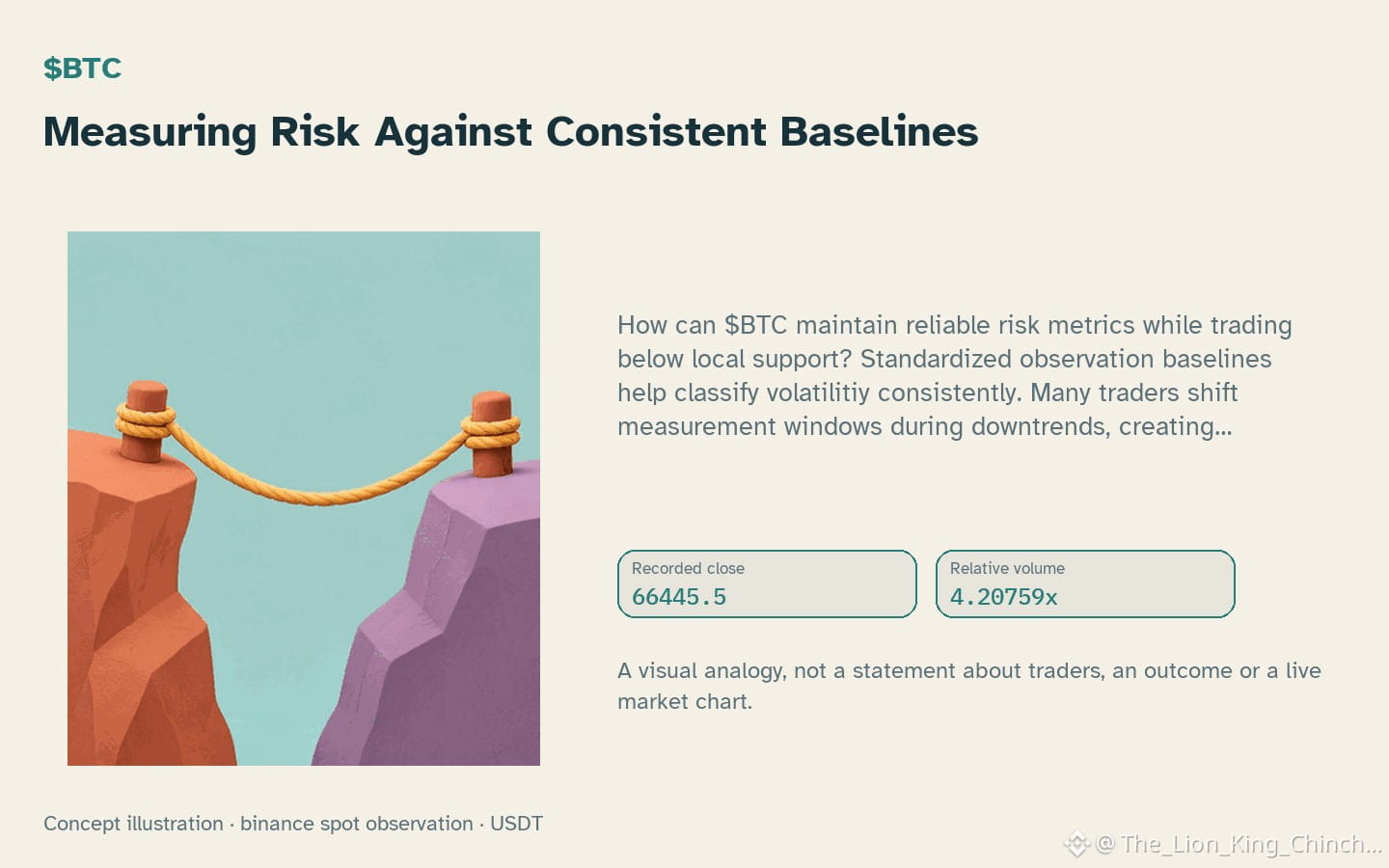
$BTC: Measuring Risk Against Consistent Baselines
How can $BTC maintain reliable risk metrics while trading below local support? Standardized observation baselines help classify volatilitiy consistently. Many traders shift measurement windows during downtrends, creating misleading comparisons. Consider a hypothetical baseline of average range height. If current ATR 239.71 expands beyond this norm, stop distances must widen. Chasing tighter entries appears attractive but increases invalidation frequency. Volatility relative to baseline determines if a stop is statistically reasonable. Define your baseline using closed candle data, not live ticks. If the baseline assumes hourly movement, the risk framework changes entirely. This prevents overfitting stop losses to noise. Use relative volume 4.21x baseline to verify if observed moves carry statistical weight. If volume remains below baseline, expansion may be a false trigger. The trade-off lies between precise invalidation and manageable stop distance. A wider stop respects volatility but risks capital efficiency. A tighter stop preserves efficiency but faces frequent noise rejections. Reassess by checking if the next closed candle still respects the baseline range. If price breaks the prior-day reference without volume confirmation, the baseline assumption fails. This hypothetical mechanism ensures risk parameters align with actual market behavior. Standardization reduces the temptation to adjust metrics mid-trade.
Probabilistic market research, not a recommendation or guaranteed return.
#BTC #RiskManagement #CryptoLearning
$BTC : Measuring Risk Against Consistent Baselines
How can $BTC maintain reliable risk metrics while trading below local support? Standardized observation baselines help classify volatilitiy consistently. Many traders shift measurement windows during downtrends, creating misleading comparisons. Consider a hypothetical baseline of average range height. If current ATR 239.71 expands beyond this norm, stop distances must widen. Chasing tighter entries appears attractive but increases invalidation frequency. Volatility relative to baseline determines if a stop is statistically reasonable. Define your baseline using closed candle data, not live ticks. If the baseline assumes hourly movement, the risk framework changes entirely. This prevents overfitting stop losses to noise. Use relative volume 4.21x baseline to verify if observed moves carry statistical weight. If volume remains below baseline, expansion may be a false trigger. The trade-off lies between precise invalidation and manageable stop distance. A wider stop respects volatility but risks capital efficiency. A tighter stop preserves efficiency but faces frequent noise rejections. Reassess by checking if the next closed candle still respects the baseline range. If price breaks the prior-day reference without volume confirmation, the baseline assumption fails. This hypothetical mechanism ensures risk parameters align with actual market behavior. Standardization reduces the temptation to adjust metrics mid-trade.
Probabilistic market research, not a recommendation or guaranteed return.
#BTC #RiskManagement #CryptoLearning
How can $BTC maintain reliable risk metrics while trading below local support? Standardized observation baselines help classify volatilitiy consistently. Many traders shift measurement windows during downtrends, creating misleading comparisons. Consider a hypothetical baseline of average range height. If current ATR 239.71 expands beyond this norm, stop distances must widen. Chasing tighter entries appears attractive but increases invalidation frequency. Volatility relative to baseline determines if a stop is statistically reasonable. Define your baseline using closed candle data, not live ticks. If the baseline assumes hourly movement, the risk framework changes entirely. This prevents overfitting stop losses to noise. Use relative volume 4.21x baseline to verify if observed moves carry statistical weight. If volume remains below baseline, expansion may be a false trigger. The trade-off lies between precise invalidation and manageable stop distance. A wider stop respects volatility but risks capital efficiency. A tighter stop preserves efficiency but faces frequent noise rejections. Reassess by checking if the next closed candle still respects the baseline range. If price breaks the prior-day reference without volume confirmation, the baseline assumption fails. This hypothetical mechanism ensures risk parameters align with actual market behavior. Standardization reduces the temptation to adjust metrics mid-trade.
Probabilistic market research, not a recommendation or guaranteed return.
#BTC #RiskManagement #CryptoLearning
28

·
--
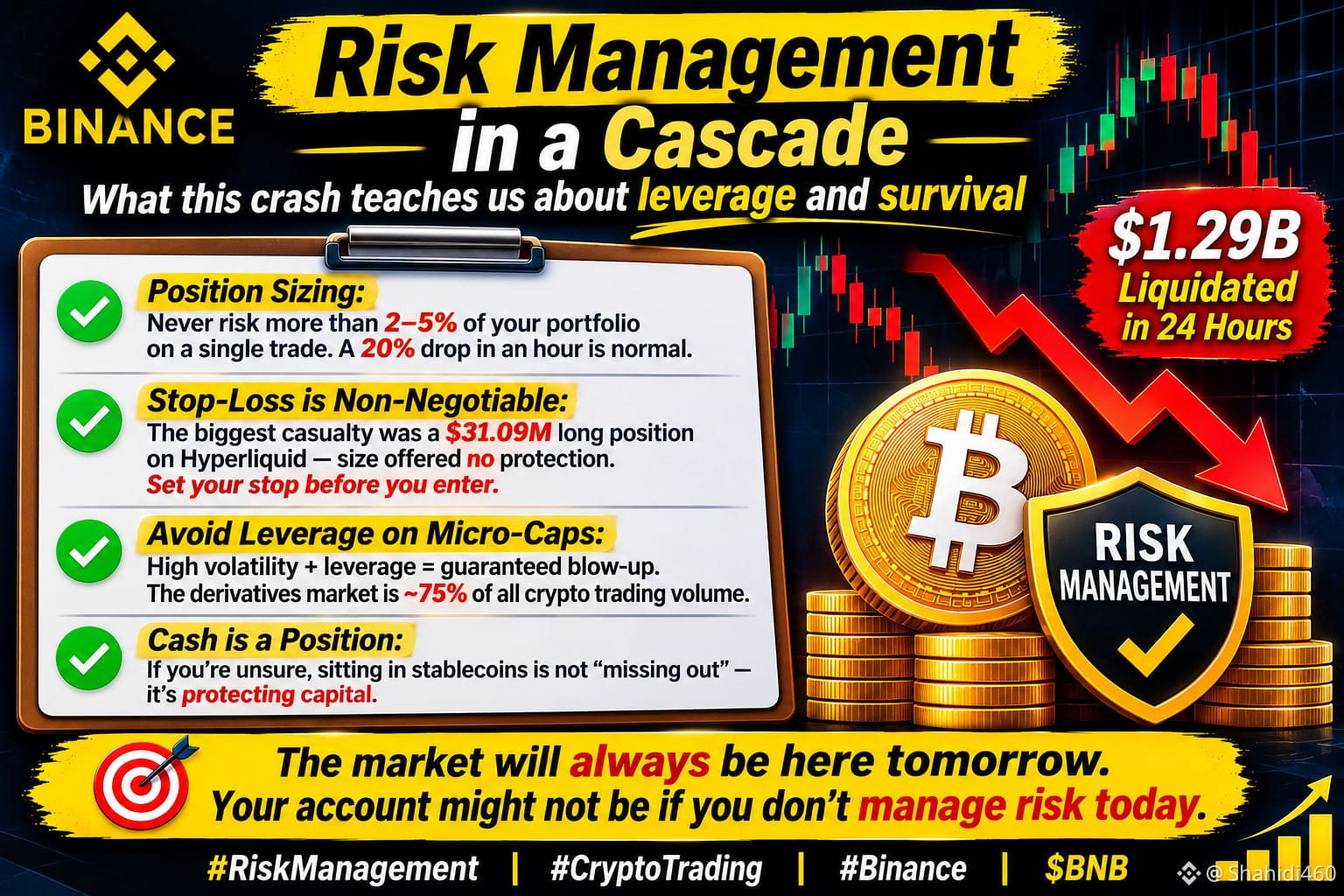
Risk Management in a Cascade
🧠 What this crash teaches us about leverage and survival
The market just wiped out $1.29B in leveraged positions. Here’s what separates survivors from casualties:
✅ Position Sizing: Never risk more than 2–5% of your portfolio on a single trade. A 20% drop in an hour is normal in crypto.
✅ Stop-Loss is Non-Negotiable: The biggest casualty was a $31.09M long position on Hyperliquid — size offered no protection. Set your stop before you enter.
✅ Avoid Leverage on Micro-Caps: High volatility + leverage = guaranteed blow-up. The derivatives market is ~75% of all crypto trading volume - most retail traders lose.
✅ Cash is a Position: If you’re unsure, sitting in stablecoins is not “missing out” — it’s protecting capital.
The market will always be here tomorrow. Your account might not be if you don’t manage risk today.
#RiskManagement #CryptoTrading #Binance $BNB
{spot}(BNBUSDT)
Risk Management in a Cascade
🧠 What this crash teaches us about leverage and survival
The market just wiped out $1.29B in leveraged positions. Here’s what separates survivors from casualties:
✅ Position Sizing: Never risk more than 2–5% of your portfolio on a single trade. A 20% drop in an hour is normal in crypto.
✅ Stop-Loss is Non-Negotiable: The biggest casualty was a $31.09M long position on Hyperliquid — size offered no protection. Set your stop before you enter.
✅ Avoid Leverage on Micro-Caps: High volatility + leverage = guaranteed blow-up. The derivatives market is ~75% of all crypto trading volume - most retail traders lose.
✅ Cash is a Position: If you’re unsure, sitting in stablecoins is not “missing out” — it’s protecting capital.
The market will always be here tomorrow. Your account might not be if you don’t manage risk today.
#RiskManagement #CryptoTrading #Binance $BNB
🧠 What this crash teaches us about leverage and survival
The market just wiped out $1.29B in leveraged positions. Here’s what separates survivors from casualties:
✅ Position Sizing: Never risk more than 2–5% of your portfolio on a single trade. A 20% drop in an hour is normal in crypto.
✅ Stop-Loss is Non-Negotiable: The biggest casualty was a $31.09M long position on Hyperliquid — size offered no protection. Set your stop before you enter.
✅ Avoid Leverage on Micro-Caps: High volatility + leverage = guaranteed blow-up. The derivatives market is ~75% of all crypto trading volume - most retail traders lose.
✅ Cash is a Position: If you’re unsure, sitting in stablecoins is not “missing out” — it’s protecting capital.
The market will always be here tomorrow. Your account might not be if you don’t manage risk today.
#RiskManagement #CryptoTrading #Binance $BNB
21
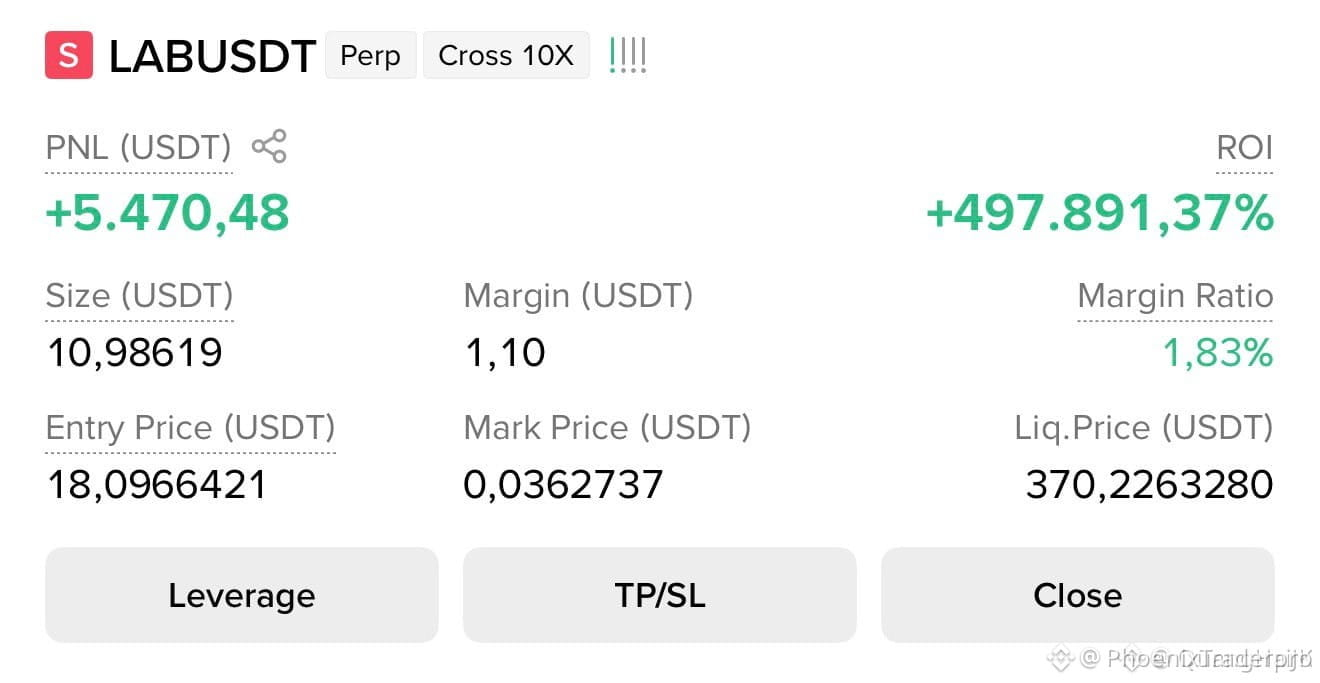
🚨 CHASING 500,000% GAINS ON $BTC , $AKE , AND $LAB IS A FAST TRACK TO LIQUIDATION! 🛑
The timeline loves peddling fairy tales of mythical win rates and life-changing exponential multipliers. Real market participants know that chasing parabolic anomalies without a strict risk framework is just handing liquidity directly to the market makers. 📊
Sustainable edge comes from mastering order flow, respecting market structure, and surviving the brutal drawdowns that wipe out undisciplined accounts. Focus on probability distribution rather than navigating speculative noise across $BTC , $AKE , and $LAB . ⚡
💬 What is your actual risk-to-reward ratio when executing high-volatility setups? 👇
⚠️ Not financial advice. Always manage your risk. 🛡️
🏷️ #BTC #RiskManagement #TradingPsychology #Crypto
🔥 💎
🚨 CHASING 500,000% GAINS ON $BTC , $AKE , AND $LAB IS A FAST TRACK TO LIQUIDATION! 🛑
The timeline loves peddling fairy tales of mythical win rates and life-changing exponential multipliers. Real market participants know that chasing parabolic anomalies without a strict risk framework is just handing liquidity directly to the market makers. 📊
Sustainable edge comes from mastering order flow, respecting market structure, and surviving the brutal drawdowns that wipe out undisciplined accounts. Focus on probability distribution rather than navigating speculative noise across $BTC , $AKE , and $LAB . ⚡
💬 What is your actual risk-to-reward ratio when executing high-volatility setups? 👇
⚠️ Not financial advice. Always manage your risk. 🛡️
🏷️ #BTC #RiskManagement #TradingPsychology #Crypto
🔥 💎
The timeline loves peddling fairy tales of mythical win rates and life-changing exponential multipliers. Real market participants know that chasing parabolic anomalies without a strict risk framework is just handing liquidity directly to the market makers. 📊
Sustainable edge comes from mastering order flow, respecting market structure, and surviving the brutal drawdowns that wipe out undisciplined accounts. Focus on probability distribution rather than navigating speculative noise across $BTC , $AKE , and $LAB . ⚡
💬 What is your actual risk-to-reward ratio when executing high-volatility setups? 👇
⚠️ Not financial advice. Always manage your risk. 🛡️
🏷️ #BTC #RiskManagement #TradingPsychology #Crypto
🔥 💎
11

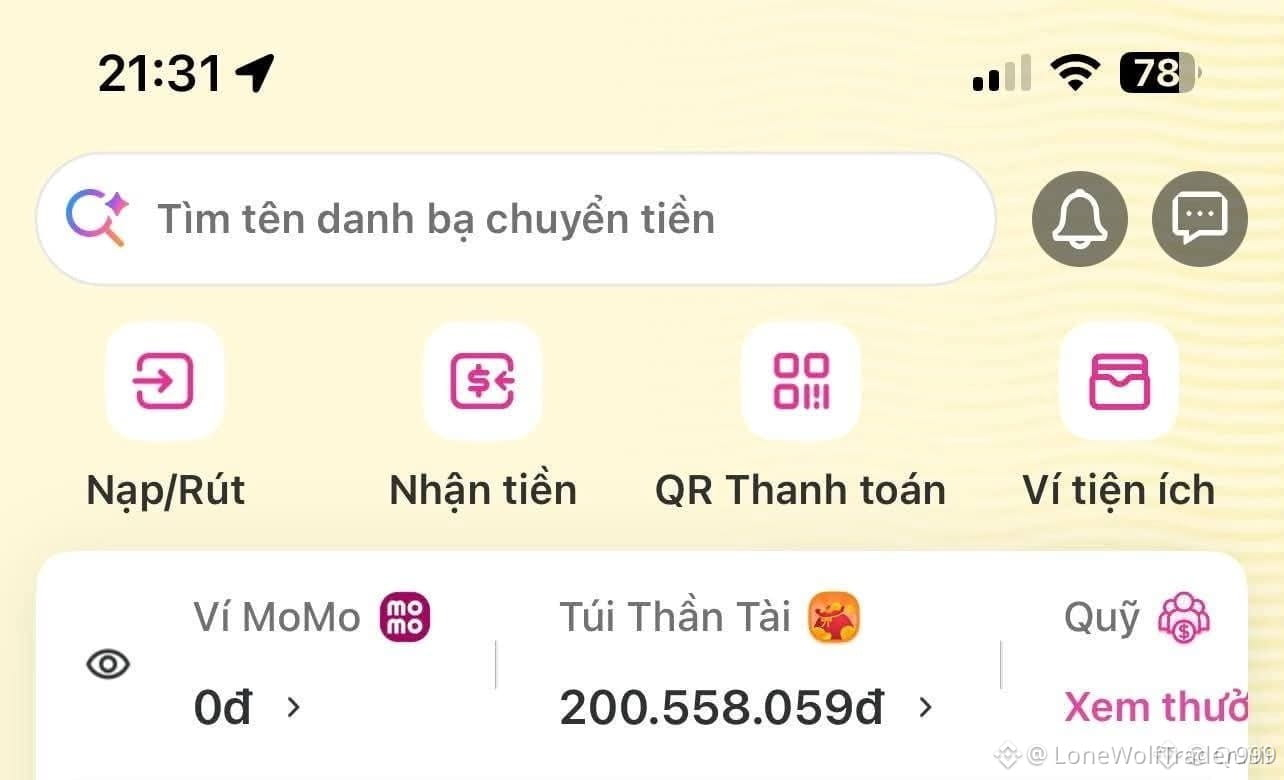
🚨 HOW TO SCALE A MODEST $BTC STACK WITHOUT BLOWING YOUR HARD-EARNED CAPITAL 💥
Building your first major crypto stack feels like walking a tightrope between ambition and fear. When every dollar represents months of disciplined saving from a 9-to-5, throwing capital at high-beta plays is a fast track to emotional burnout. 📊
Smart market participants know that surviving five years in this arena requires treating your initial liquidity like sacred territory, allocating only what you can calmly compound through macro cycles. ⚡ Instead of chasing parabolic noise, focus on disciplined dollar-cost averaging into foundational assets like high-liquidity market leaders during quiet accumulation phases. 💡
Protecting your downside always outweighs the temptation of overnight riches. 💬 Are you sticking to conservative safety nets or allocating a calculated slice toward long-term spot accumulation? 👇
⚠️ Not financial advice. Always manage your risk. 🛡️
🏷️ #BTC #CryptoTrading #RiskManagement #SpotAccumulation
🔥 💎
🚨 HOW TO SCALE A MODEST $BTC STACK WITHOUT BLOWING YOUR HARD-EARNED CAPITAL 💥
Building your first major crypto stack feels like walking a tightrope between ambition and fear. When every dollar represents months of disciplined saving from a 9-to-5, throwing capital at high-beta plays is a fast track to emotional burnout. 📊
Smart market participants know that surviving five years in this arena requires treating your initial liquidity like sacred territory, allocating only what you can calmly compound through macro cycles. ⚡ Instead of chasing parabolic noise, focus on disciplined dollar-cost averaging into foundational assets like high-liquidity market leaders during quiet accumulation phases. 💡
Protecting your downside always outweighs the temptation of overnight riches. 💬 Are you sticking to conservative safety nets or allocating a calculated slice toward long-term spot accumulation? 👇
⚠️ Not financial advice. Always manage your risk. 🛡️
🏷️ #BTC #CryptoTrading #RiskManagement #SpotAccumulation
🔥 💎
Building your first major crypto stack feels like walking a tightrope between ambition and fear. When every dollar represents months of disciplined saving from a 9-to-5, throwing capital at high-beta plays is a fast track to emotional burnout. 📊
Smart market participants know that surviving five years in this arena requires treating your initial liquidity like sacred territory, allocating only what you can calmly compound through macro cycles. ⚡ Instead of chasing parabolic noise, focus on disciplined dollar-cost averaging into foundational assets like high-liquidity market leaders during quiet accumulation phases. 💡
Protecting your downside always outweighs the temptation of overnight riches. 💬 Are you sticking to conservative safety nets or allocating a calculated slice toward long-term spot accumulation? 👇
⚠️ Not financial advice. Always manage your risk. 🛡️
🏷️ #BTC #CryptoTrading #RiskManagement #SpotAccumulation
🔥 💎


🛑 $BTC REMINDER: CUT THE SHADY SIDE PLAYS AND PROTECT YOUR CAPITAL! ⚠️
When market waters get murky, the smartest move is cutting out the noise and dropping toxic off-chain schemes. Too many participants get distracted by sketchy shortcuts instead of mastering clean risk management on major assets like $BTC . 🔍
Capital preservation isn't just a buzzword; it is your ultimate edge when volatility spikes unexpectedly. True longevity in this space belongs to traders who prioritize absolute clarity over quick, high-risk gambles. 💡
💬 Are you streamlining your focus back to pure market structure, or still chasing shadows in the dark? 👇
⚠️ Not financial advice. Always manage your risk. 🛡️
🏷️ #BTC #RiskManagement #CryptoTrading #MarketStructure
🔥 💎
🛑 $BTC REMINDER: CUT THE SHADY SIDE PLAYS AND PROTECT YOUR CAPITAL! ⚠️
When market waters get murky, the smartest move is cutting out the noise and dropping toxic off-chain schemes. Too many participants get distracted by sketchy shortcuts instead of mastering clean risk management on major assets like $BTC . 🔍
Capital preservation isn't just a buzzword; it is your ultimate edge when volatility spikes unexpectedly. True longevity in this space belongs to traders who prioritize absolute clarity over quick, high-risk gambles. 💡
💬 Are you streamlining your focus back to pure market structure, or still chasing shadows in the dark? 👇
⚠️ Not financial advice. Always manage your risk. 🛡️
🏷️ #BTC #RiskManagement #CryptoTrading #MarketStructure
🔥 💎
When market waters get murky, the smartest move is cutting out the noise and dropping toxic off-chain schemes. Too many participants get distracted by sketchy shortcuts instead of mastering clean risk management on major assets like $BTC . 🔍
Capital preservation isn't just a buzzword; it is your ultimate edge when volatility spikes unexpectedly. True longevity in this space belongs to traders who prioritize absolute clarity over quick, high-risk gambles. 💡
💬 Are you streamlining your focus back to pure market structure, or still chasing shadows in the dark? 👇
⚠️ Not financial advice. Always manage your risk. 🛡️
🏷️ #BTC #RiskManagement #CryptoTrading #MarketStructure
🔥 💎

6

·
--
$WIF is down 4.4 percent today and I am passing on it
Only 1.3M dollars of volume means one large order shifts this book and getting out is a coin flip
Sitting this out beats buying a thin order book
I need an hourly close above 0.15310 to show buyers are back
Alternatively a bounce off 0.14280 proves that support holds
It could run without me but a bad entry costs more than a missed move
Chasing $WIF here or waiting for 0.14280
#WIF #RiskManagement
$WIF is down 4.4 percent today and I am passing on it
Only 1.3M dollars of volume means one large order shifts this book and getting out is a coin flip
Sitting this out beats buying a thin order book
I need an hourly close above 0.15310 to show buyers are back
Alternatively a bounce off 0.14280 proves that support holds
It could run without me but a bad entry costs more than a missed move
Chasing $WIF here or waiting for 0.14280
#WIF #RiskManagement
Only 1.3M dollars of volume means one large order shifts this book and getting out is a coin flip
Sitting this out beats buying a thin order book
I need an hourly close above 0.15310 to show buyers are back
Alternatively a bounce off 0.14280 proves that support holds
It could run without me but a bad entry costs more than a missed move
Chasing $WIF here or waiting for 0.14280
#WIF #RiskManagement
4

·
--
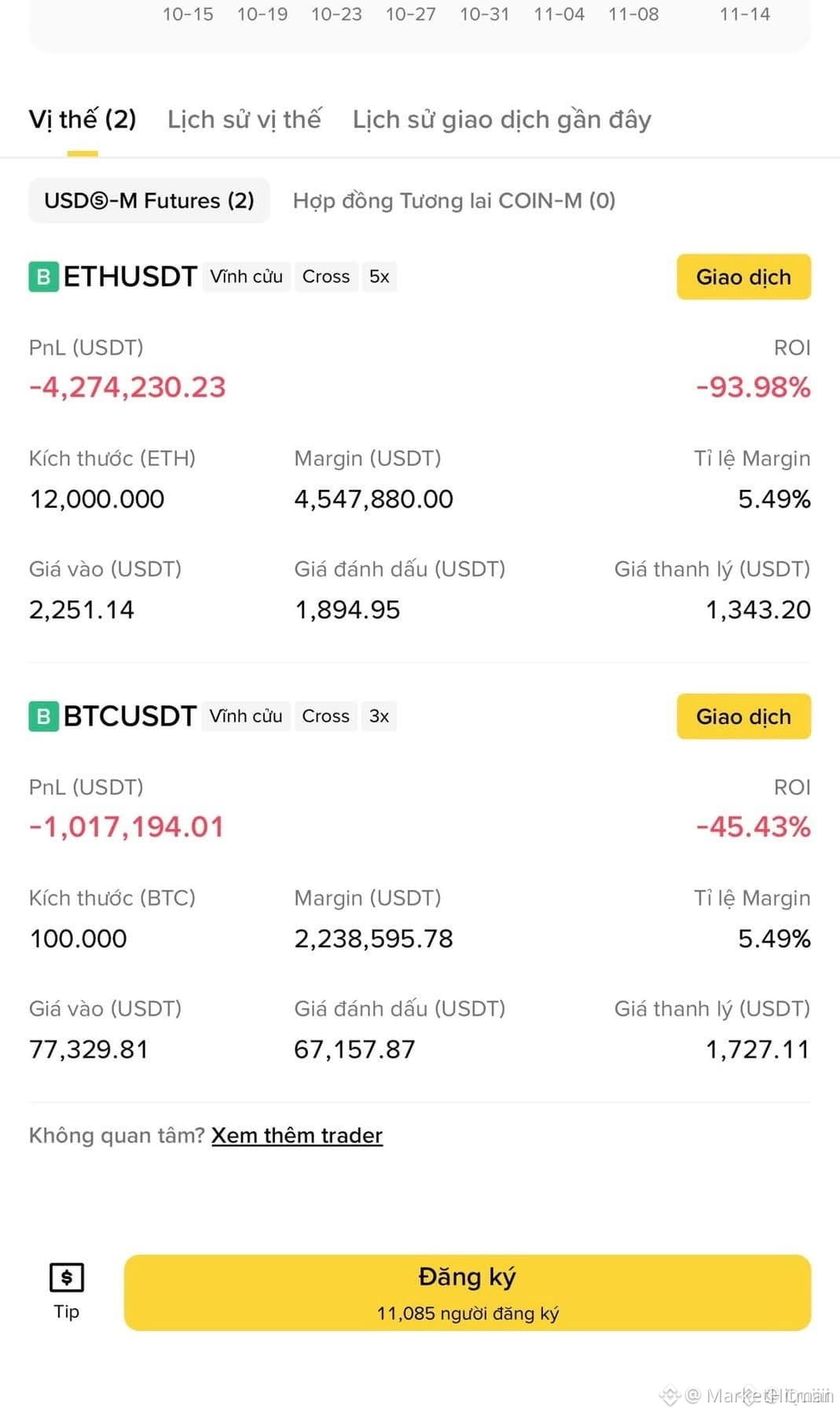
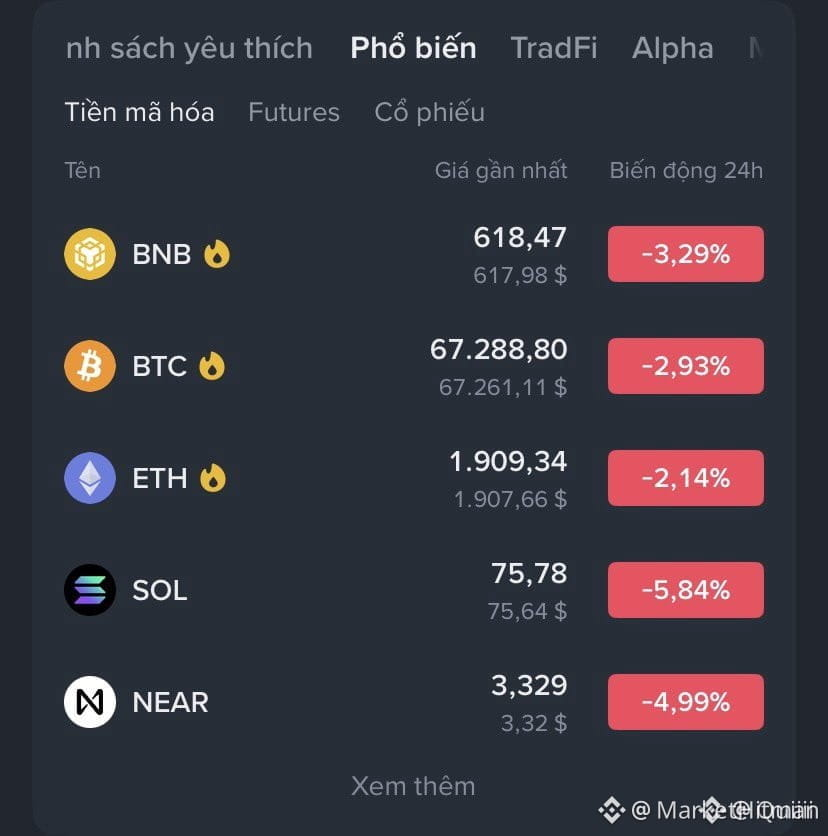
🚨 $BTC WHALES JUST WIPED OUT THE ORDER BOOKS IN A BRUTAL LIQUIDITY CASCADE! 🦈
When institutional desks decide to flush the order books, holding an underwater position feels like standing in the path of a freight train. That multi-million dollar liquidation sting is a brutal reminder that leverage is a double-edged sword when smart money triggers a cascade across sessions. 🌊
Every veteran trader has stared at a terminal while an aggressive sweep obliterates over-leveraged exposure in seconds. Risk management isn't just a buzzword; it is the thin line between living to trade another day and watching capital evaporate into the order flow abyss. 📊
How do you mentally reset after taking a heavy hit from a sudden market flush? 👇
⚠️ Not financial advice. Always manage your risk. 🛡️
🏷️ #BTC #RiskManagement #CryptoTrading #LiquiditySweep
🔥 💎
🚨 $BTC WHALES JUST WIPED OUT THE ORDER BOOKS IN A BRUTAL LIQUIDITY CASCADE! 🦈
When institutional desks decide to flush the order books, holding an underwater position feels like standing in the path of a freight train. That multi-million dollar liquidation sting is a brutal reminder that leverage is a double-edged sword when smart money triggers a cascade across sessions. 🌊
Every veteran trader has stared at a terminal while an aggressive sweep obliterates over-leveraged exposure in seconds. Risk management isn't just a buzzword; it is the thin line between living to trade another day and watching capital evaporate into the order flow abyss. 📊
How do you mentally reset after taking a heavy hit from a sudden market flush? 👇
⚠️ Not financial advice. Always manage your risk. 🛡️
🏷️ #BTC #RiskManagement #CryptoTrading #LiquiditySweep
🔥 💎
When institutional desks decide to flush the order books, holding an underwater position feels like standing in the path of a freight train. That multi-million dollar liquidation sting is a brutal reminder that leverage is a double-edged sword when smart money triggers a cascade across sessions. 🌊
Every veteran trader has stared at a terminal while an aggressive sweep obliterates over-leveraged exposure in seconds. Risk management isn't just a buzzword; it is the thin line between living to trade another day and watching capital evaporate into the order flow abyss. 📊
How do you mentally reset after taking a heavy hit from a sudden market flush? 👇
⚠️ Not financial advice. Always manage your risk. 🛡️
🏷️ #BTC #RiskManagement #CryptoTrading #LiquiditySweep
🔥 💎
10

·
--
Days like this teach position size better than any thread. A -4% day on 1x is noise; on 10x it's a closed account. $BTC #riskmanagement NFA
Days like this teach position size better than any thread. A -4% day on 1x is noise; on 10x it's a closed account. $BTC #riskmanagement NFA
4
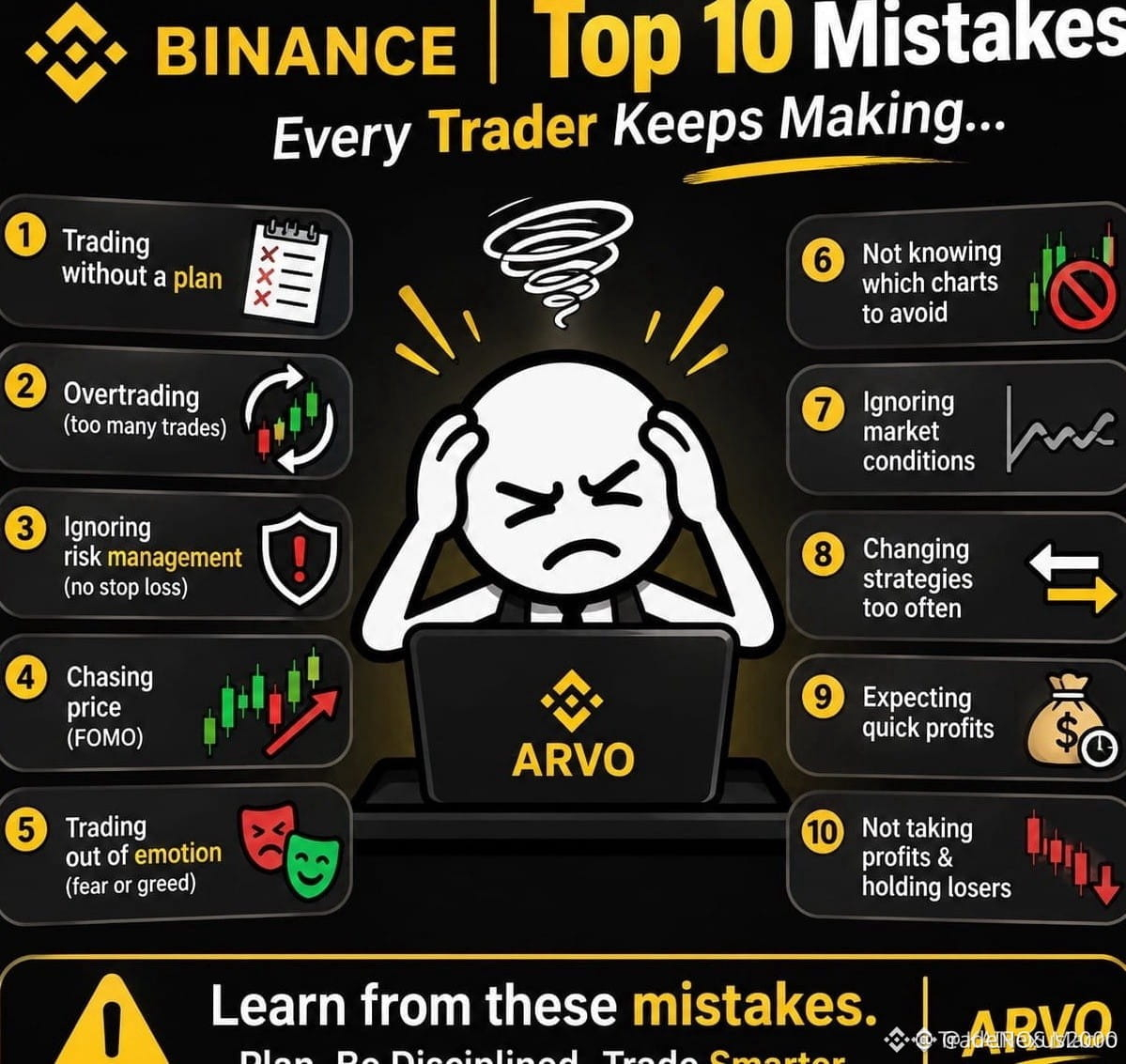
🦈 WHY 90% OF RETAIL TRADERS BLEED CAPITAL ON $AKE , $SHELL , & $TAC ! 📉
Unchecked emotional execution and the absence of a defined risk parameter are the silent killers of trading accounts. Chasing erratic price momentum while cutting winning positions short creates a negative expectancy loop that institutional algorithms feed upon daily. 📊
Capital preservation and rigid structural discipline separate consistent participants from impulsive market tourists. Shifting toward objective order flow analysis on $AKE , $SHELL , and $TAC ensures survival through high-volatility sweeps. 💡
What is your biggest execution flaw when market volatility spikes? 🤔 👇
⚠️ Not financial advice. Always manage your risk. 🛡️
🏷️ #AKE #RiskManagement #SmartMoney #Crypto
🔥 🦈
🦈 WHY 90% OF RETAIL TRADERS BLEED CAPITAL ON $AKE , $SHELL , & $TAC ! 📉
Unchecked emotional execution and the absence of a defined risk parameter are the silent killers of trading accounts. Chasing erratic price momentum while cutting winning positions short creates a negative expectancy loop that institutional algorithms feed upon daily. 📊
Capital preservation and rigid structural discipline separate consistent participants from impulsive market tourists. Shifting toward objective order flow analysis on $AKE , $SHELL , and $TAC ensures survival through high-volatility sweeps. 💡
What is your biggest execution flaw when market volatility spikes? 🤔 👇
⚠️ Not financial advice. Always manage your risk. 🛡️
🏷️ #AKE #RiskManagement #SmartMoney #Crypto
🔥 🦈
Unchecked emotional execution and the absence of a defined risk parameter are the silent killers of trading accounts. Chasing erratic price momentum while cutting winning positions short creates a negative expectancy loop that institutional algorithms feed upon daily. 📊
Capital preservation and rigid structural discipline separate consistent participants from impulsive market tourists. Shifting toward objective order flow analysis on $AKE , $SHELL , and $TAC ensures survival through high-volatility sweeps. 💡
What is your biggest execution flaw when market volatility spikes? 🤔 👇
⚠️ Not financial advice. Always manage your risk. 🛡️
🏷️ #AKE #RiskManagement #SmartMoney #Crypto
🔥 🦈
2

·
--
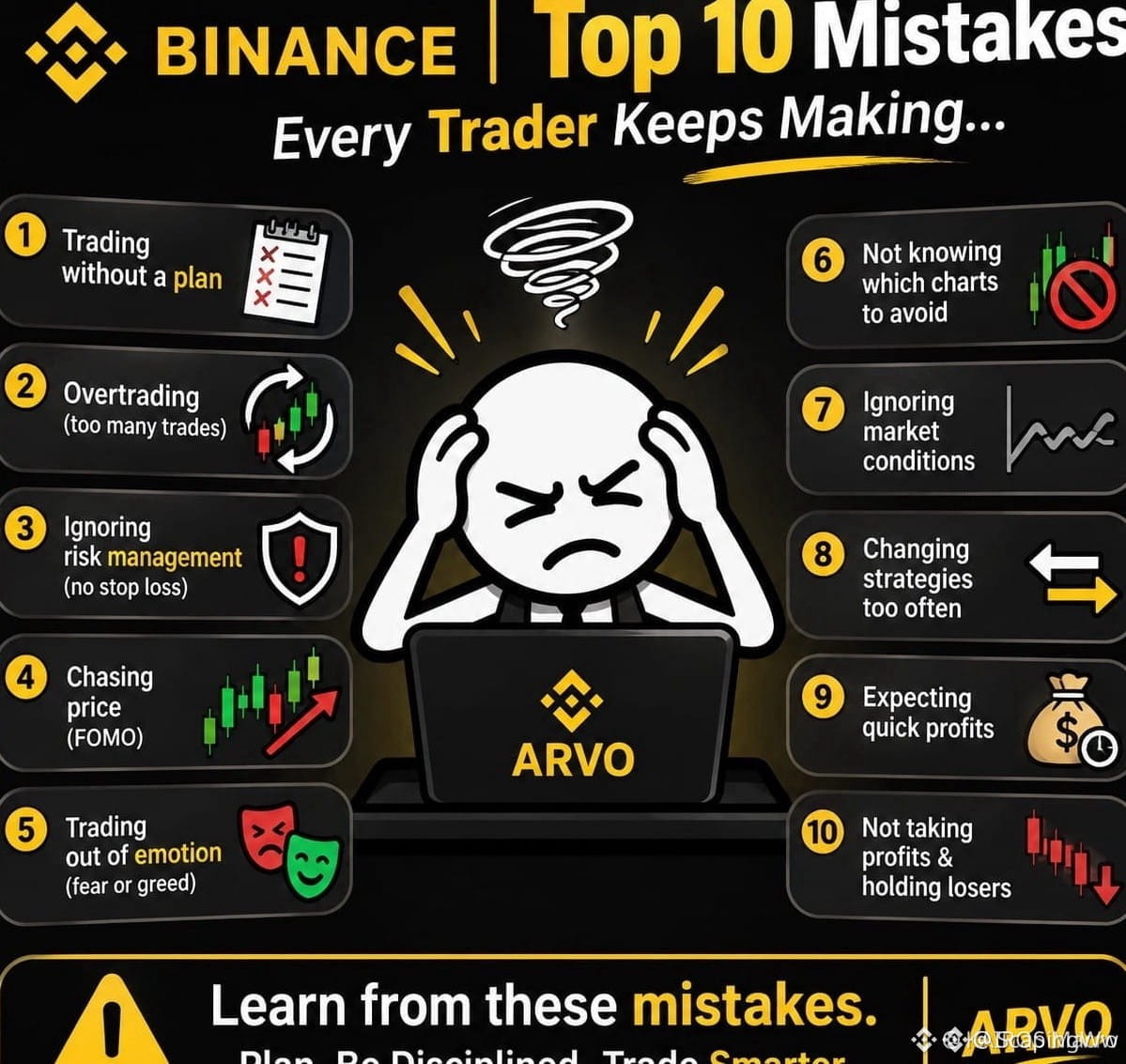
🚨 $AKE REBUILDING AFTER BLEEDING HALF MY CAPITAL TO EMOTIONAL MISTAKES! 💥
Emotions will drain your portfolio faster than an aggressive liquidity sweep if you let fear and greed drive the wheel. I learned that lesson the hard way after watching half my capital vanish to chasing pumps and flipping strategies on every single candle. 📊
Real durability in this game demands brutal self-awareness, strict capital defense, and a structural view on high-conviction plays like $AKE , $SHELL , and $TAC . Shifting from emotional reacting to patient positioning changes everything about how you survive the chop. 💡
💬 What is the hardest psychological trap you had to break to stay profitable in this market? 👇
⚠️ Not financial advice. Always manage your risk. 🛡️
🏷️ #AKE #TradingPsychology #RiskManagement #Crypto
🔥 💎
🚨 $AKE REBUILDING AFTER BLEEDING HALF MY CAPITAL TO EMOTIONAL MISTAKES! 💥
Emotions will drain your portfolio faster than an aggressive liquidity sweep if you let fear and greed drive the wheel. I learned that lesson the hard way after watching half my capital vanish to chasing pumps and flipping strategies on every single candle. 📊
Real durability in this game demands brutal self-awareness, strict capital defense, and a structural view on high-conviction plays like $AKE , $SHELL , and $TAC . Shifting from emotional reacting to patient positioning changes everything about how you survive the chop. 💡
💬 What is the hardest psychological trap you had to break to stay profitable in this market? 👇
⚠️ Not financial advice. Always manage your risk. 🛡️
🏷️ #AKE #TradingPsychology #RiskManagement #Crypto
🔥 💎
Emotions will drain your portfolio faster than an aggressive liquidity sweep if you let fear and greed drive the wheel. I learned that lesson the hard way after watching half my capital vanish to chasing pumps and flipping strategies on every single candle. 📊
Real durability in this game demands brutal self-awareness, strict capital defense, and a structural view on high-conviction plays like $AKE , $SHELL , and $TAC . Shifting from emotional reacting to patient positioning changes everything about how you survive the chop. 💡
💬 What is the hardest psychological trap you had to break to stay profitable in this market? 👇
⚠️ Not financial advice. Always manage your risk. 🛡️
🏷️ #AKE #TradingPsychology #RiskManagement #Crypto
🔥 💎
3
$SOPH: Explicit Uncertainty Logging in SOPH Trade Decisions
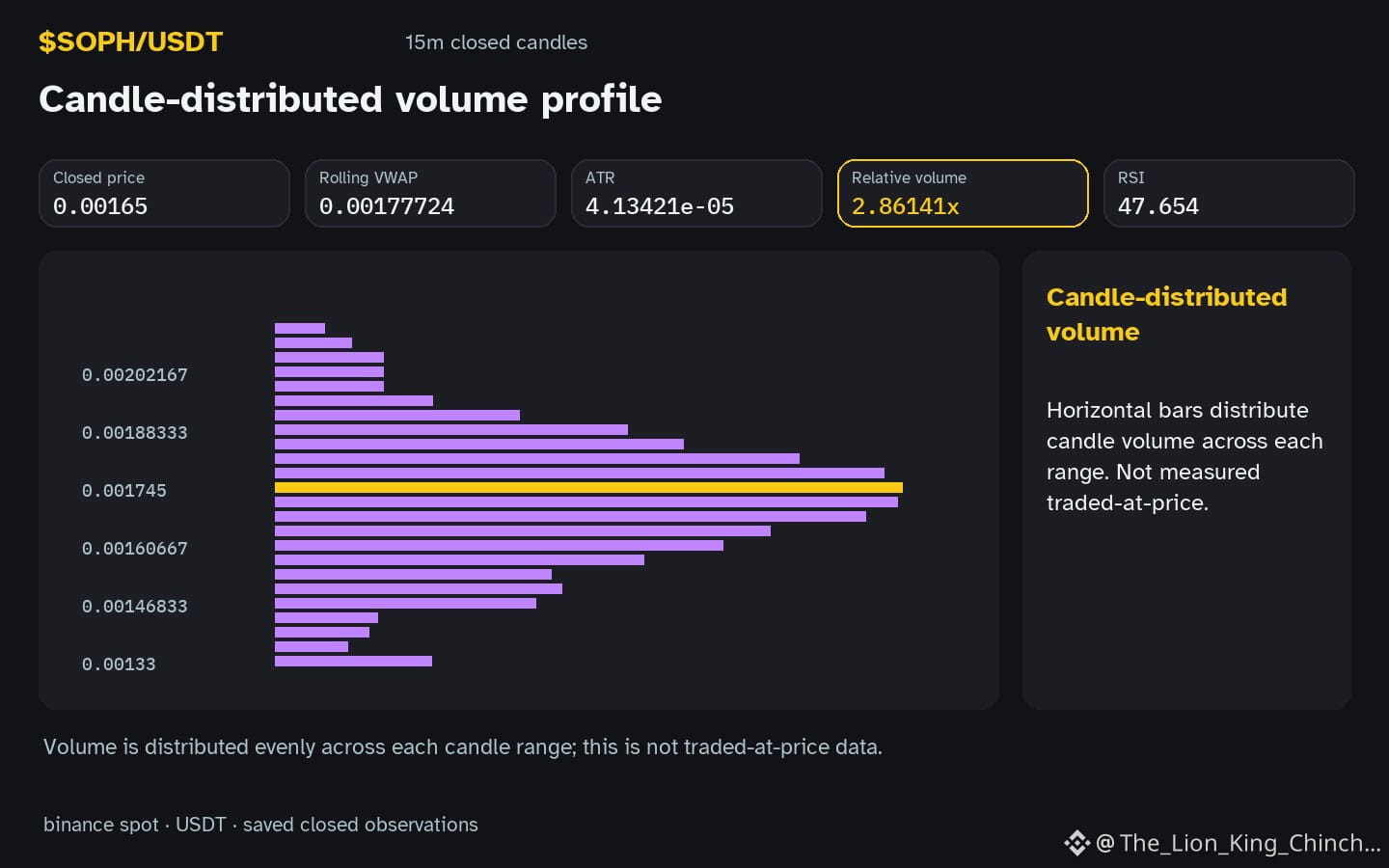
$SOPH: SOPH shows an hourly direction up while volume sits above baseline. The observation raises a practical question: how much uncertainty should be logged before committing to an entry?
The tempting shortcut is to enter as soon as price moves higher, trusting the short‑term signal. A thought experiment imagines two traders. Trader A notes the hourly up move and the relative volume 2.86x baseline, then places an order immediately. Trader B records the same observation but also notes the current RSI 47.7 and decides to wait for a clear invalidation signal, such as a price drop that crosses the local support 0.00158. The trade‑off is entry quality versus chasing. Entering early may capture a quick gain but risks riding a false move; waiting improves entry confidence but may miss the optimal price.
A more careful interpretation treats the observation as a hypothesis rather than a fact. The hypothesis is that higher volume supports the up move, but the hypothesis remains unverified until a subsequent candle either confirms the direction or invalidates it by breaking 0.00158.
A useful next observation would be a closed‑hourly candle that either stays above 0.00158 with continued volume strength or falls below, providing a concrete invalidation point. Until that evidence appears, the uncertainty log should flag the entry as tentative and recommend a stop distance that respects the ATR 4.13421e-05 without assuming the move will continue.
Probabilistic market research, not a recommendation or guaranteed return.
#SOPH #RiskManagement #CryptoLearning
$SOPH : Explicit Uncertainty Logging in SOPH Trade Decisions
$SOPH : SOPH shows an hourly direction up while volume sits above baseline. The observation raises a practical question: how much uncertainty should be logged before committing to an entry?
The tempting shortcut is to enter as soon as price moves higher, trusting the short‑term signal. A thought experiment imagines two traders. Trader A notes the hourly up move and the relative volume 2.86x baseline, then places an order immediately. Trader B records the same observation but also notes the current RSI 47.7 and decides to wait for a clear invalidation signal, such as a price drop that crosses the local support 0.00158. The trade‑off is entry quality versus chasing. Entering early may capture a quick gain but risks riding a false move; waiting improves entry confidence but may miss the optimal price.
A more careful interpretation treats the observation as a hypothesis rather than a fact. The hypothesis is that higher volume supports the up move, but the hypothesis remains unverified until a subsequent candle either confirms the direction or invalidates it by breaking 0.00158.
A useful next observation would be a closed‑hourly candle that either stays above 0.00158 with continued volume strength or falls below, providing a concrete invalidation point. Until that evidence appears, the uncertainty log should flag the entry as tentative and recommend a stop distance that respects the ATR 4.13421e-05 without assuming the move will continue.
Probabilistic market research, not a recommendation or guaranteed return.
#SOPH #RiskManagement #CryptoLearning
$SOPH : SOPH shows an hourly direction up while volume sits above baseline. The observation raises a practical question: how much uncertainty should be logged before committing to an entry?
The tempting shortcut is to enter as soon as price moves higher, trusting the short‑term signal. A thought experiment imagines two traders. Trader A notes the hourly up move and the relative volume 2.86x baseline, then places an order immediately. Trader B records the same observation but also notes the current RSI 47.7 and decides to wait for a clear invalidation signal, such as a price drop that crosses the local support 0.00158. The trade‑off is entry quality versus chasing. Entering early may capture a quick gain but risks riding a false move; waiting improves entry confidence but may miss the optimal price.
A more careful interpretation treats the observation as a hypothesis rather than a fact. The hypothesis is that higher volume supports the up move, but the hypothesis remains unverified until a subsequent candle either confirms the direction or invalidates it by breaking 0.00158.
A useful next observation would be a closed‑hourly candle that either stays above 0.00158 with continued volume strength or falls below, providing a concrete invalidation point. Until that evidence appears, the uncertainty log should flag the entry as tentative and recommend a stop distance that respects the ATR 4.13421e-05 without assuming the move will continue.
Probabilistic market research, not a recommendation or guaranteed return.
#SOPH #RiskManagement #CryptoLearning
28
Log in to explore more content
Join global crypto users on Binance Square
⚡️ Get latest and useful information about crypto.
💬 Trusted by the world’s largest crypto exchange.
👍 Discover real insights from verified creators.
Email / Phone number
Trending Topics
1
#WhoWillSucceedJensenHuangatNvidia?
81,433 views
1,115 Discussing
2
#WhatWillDriveCryptoandStocks’NextRebound?
431,655 views
3,015 Discussing
3
#BitcoinActiveSupplyInProfitDropsBelow45%
21,738 views
336 Discussing
4
#KavaSaysAbnormalActivityLimitedToKavaLend
8,507 views
170 Discussing
5
#USSpotXRPETFsSeeLargestWeeklyOutflowIn8Months
7,720 views
161 Discussing
6
#USPPIMissMayEaseBTCPressure
206,752 views
2,048 Discussing
7
#WORPTLetsTouristsConvertCryptoToThaiBaht
2,550 views
50 Discussing
8
#TONStrategyReports$23.97MQ3NetLoss
3,193 views
41 Discussing
9
#PolkadotCommunityApprovesNewStrategyWith97%Vote
18,626 views
244 Discussing
10
#dYdXPlansV9.9UpgradeToShiftUSDCToInjective
11,380 views
197 Discussing