
#congress
congress
65,595 views
253 Discussing
Hot
Latest

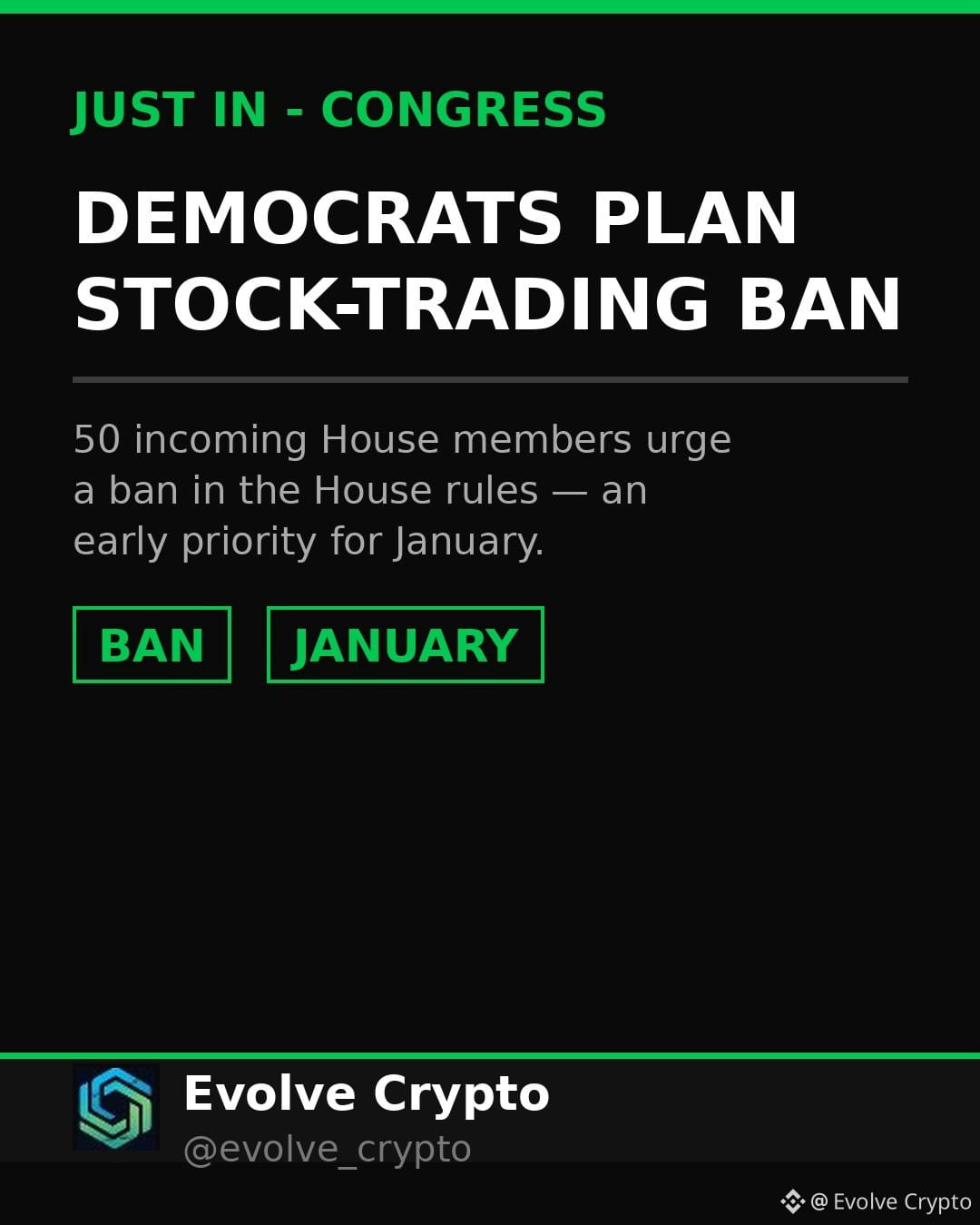
JUST IN: Democrats plan to ban members of Congress from trading stocks. Fifty incoming House members have urged leadership to add the ban to the House rules, and Senate Democrats say it will be an early priority in January. Lawmakers trading stocks while writing the rules — should the ban have happened years ago? 🇺🇸
#Congress #Stocks #Crypto
DYOR. This is not financial advice.
#Congress #Stocks #Crypto
DYOR. This is not financial advice.
4

·
--
Bearish
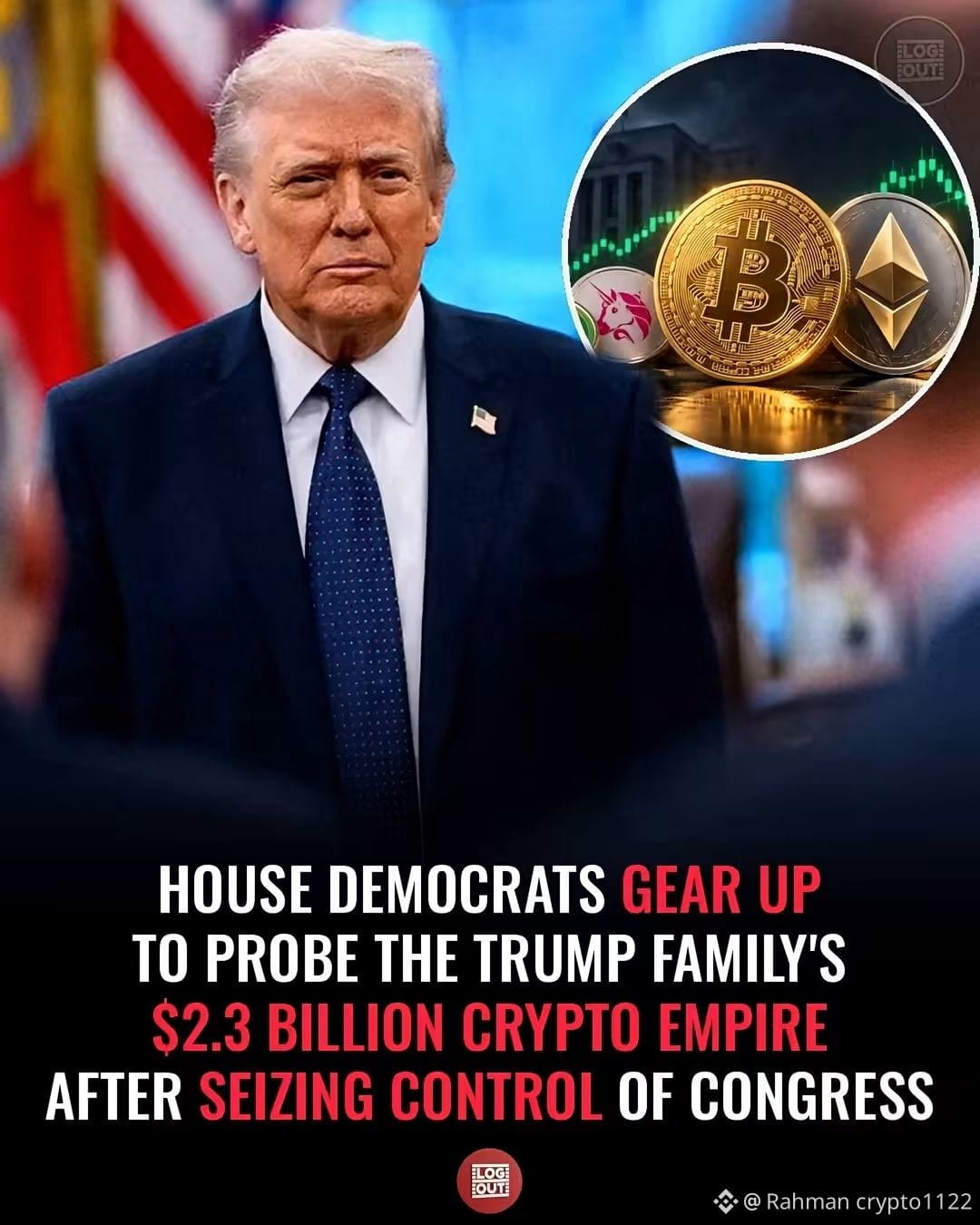
🟥 BREAKING: $2.3 BILLION TRUMP CRYPTO EMPIRE FACES CONGRESSIONAL INVESTIGATION! 🇺🇸💰₿
A major political and financial battle is emerging in Washington after Democrats' 2026 midterm victories. Incoming Democratic lawmakers are preparing investigations into President Donald Trump's family-linked cryptocurrency businesses.
🔎 Major targets include:
- World Liberty Financial: Trump's family-backed crypto venture.
- USD1 Stablecoin: Its dollar-pegged digital currency and proposed banking operations.
- $TRUMP Memecoin: A cryptocurrency linked to Trump's political brand and family business interests.
💰 The $2.3 billion question: A New Yorker estimate cited in a House Democrats' report put Trump family profits from crypto ventures above $2.3 billion. Reuters separately reported approximately $802 million in realized crypto-related profits during the first half of 2025.
🌍 Foreign investment under scrutiny: A UAE-linked investment vehicle reportedly invested $500 million in World Liberty Financial in exchange for a 49% stake, raising questions about potential foreign influence and conflicts of interest.
⚖️ WHAT HAPPENS NEXT?
- Democrats are expected to gain control of congressional committees in January 2027.
- Incoming House Oversight Chairman Robert Garcia has warned Trump-linked businesses to prepare for scrutiny.
- Senator Elizabeth Warren is expected to lead the Senate Banking Committee.
- Investigators could seek documents, financial records and witness testimony using congressional subpoena powers.
The Trump administration and its allies have rejected accusations of wrongdoing and described the proposed investigations as politically motivated.
IMPORTANT: These are planned investigations, not proven findings of illegal conduct. No final conclusions have been established.
🌍 THE BIG QUESTION: Should presidents and their families face independent congressional scrutiny over private business interests while in office?
#Trump #CryptoNews #WorldLibertyFinancial #USPolitics #Congress
$BTC $ETH $BNB
309

·
--
Could Congress Rein In Trump’s Tariff Power? One Bill Is Still a Proposal
Tariff headlines can sound immediate; this measure has not changed the law.
Congress.gov lists S.1272, the Trade Review Act of 2025, as introduced and referred to the Senate Finance Committee. It would require the president to notify Congress within 48 hours of imposing or raising tariffs and explain likely effects on U.S. businesses and consumers. Under the bill, tariffs would expire after 60 days unless a joint resolution approving them became law.
Why it matters: if enacted, the bill could add a congressional checkpoint to tariff decisions and affect trade planning. But introduction is only the first step—not passage. Businesses should model scenarios, not assume a proposal will become policy.
My takeaway: watch committee action and votes before treating this as a policy shift. Should Congress have more say over tariffs?
Source: Congress.gov — https://www.congress.gov/bill/119th-congress/senate-bill/1272
#USPolicy #Trade #Congress
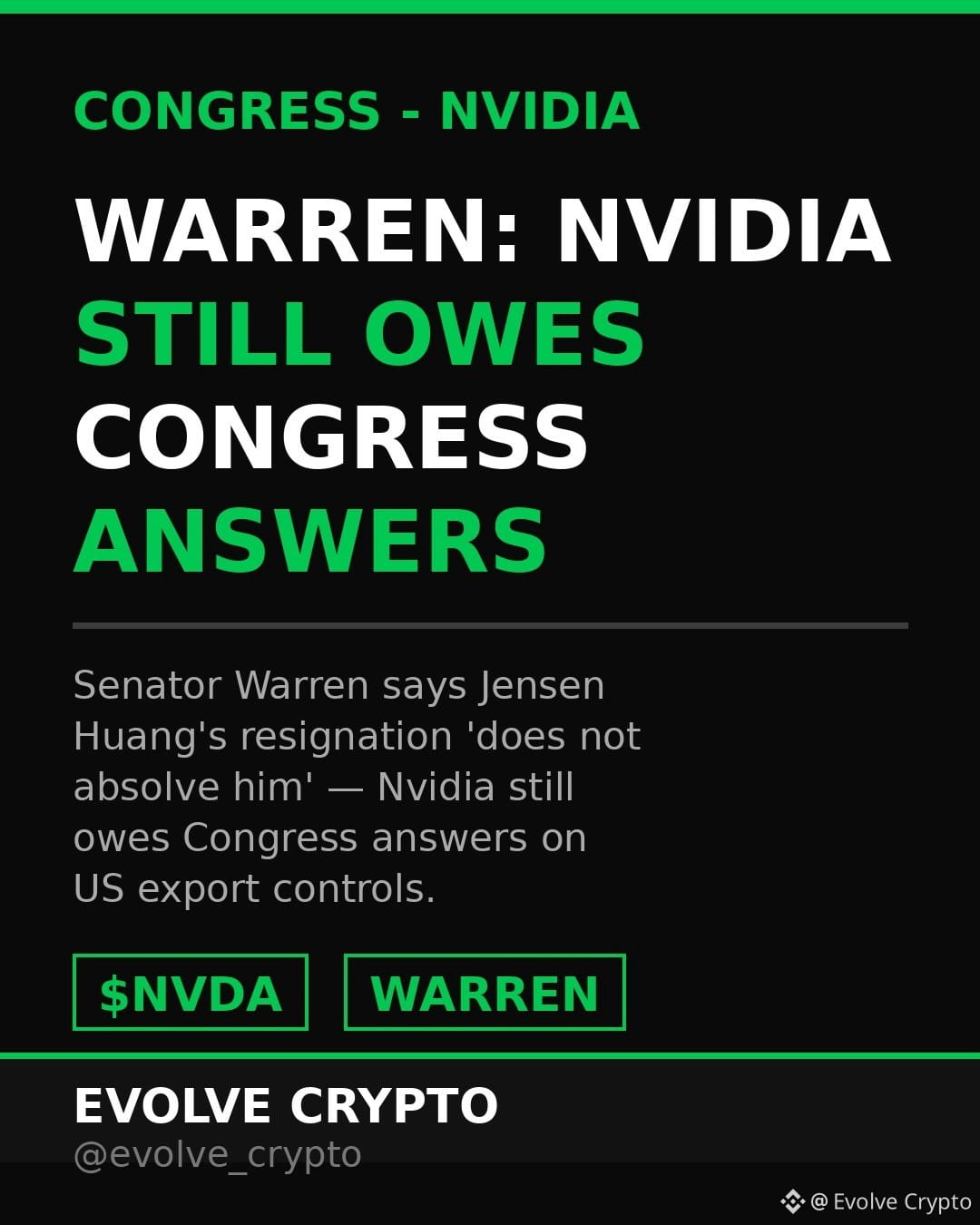
JUST IN: Senator Elizabeth Warren says Nvidia $NVDA still owes Congress an explanation despite CEO Jensen Huang's resignation. Resigning 'does not absolve him' — Warren wants answers on the company's compliance with US export controls. Will Congress get them, or is this just the start? 📉
#Nvidia #NVDA #Congress
DYOR. This is not financial advice.
#Nvidia #NVDA #Congress
DYOR. This is not financial advice.
188


·
--
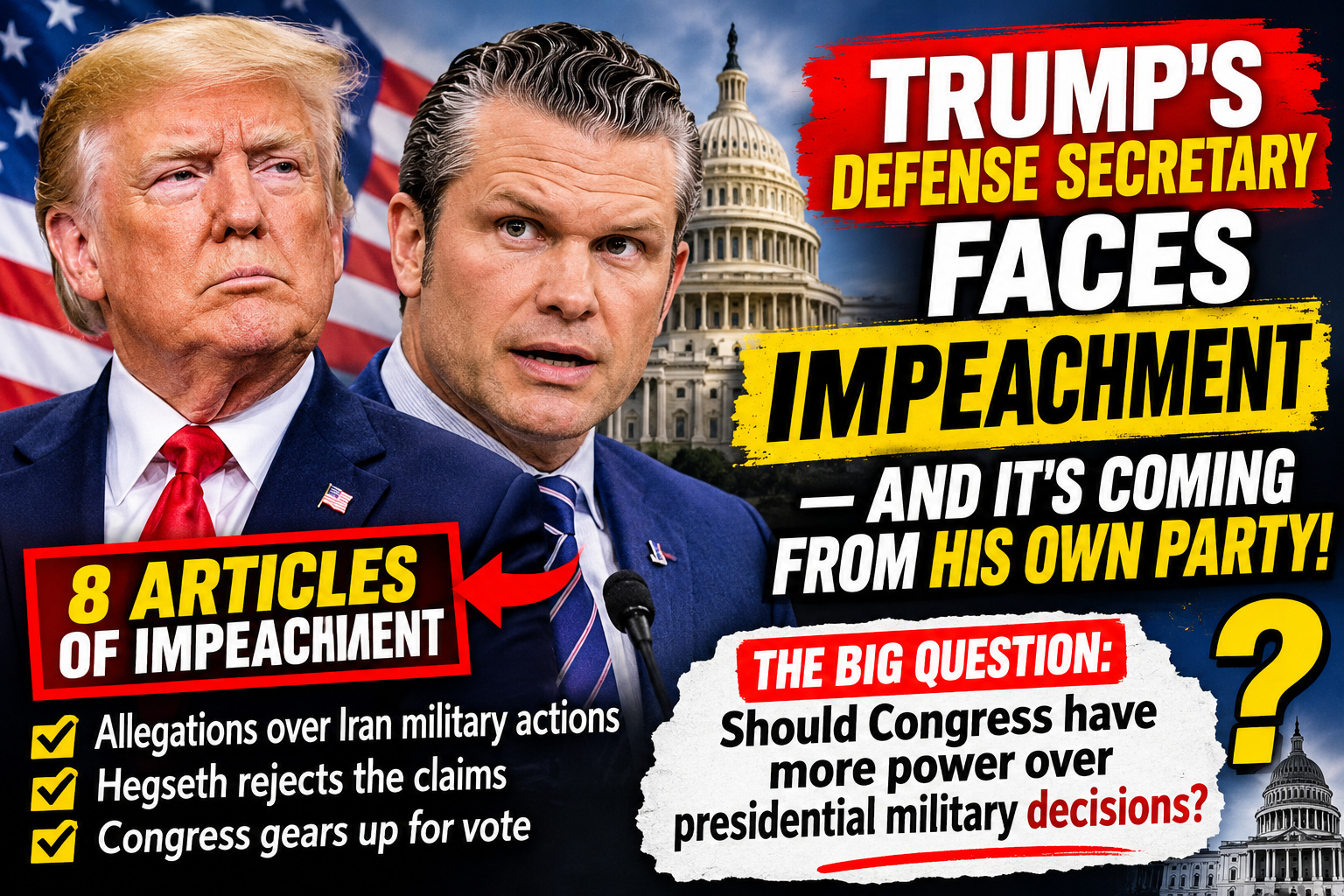
🚨 TRUMP'S DEFENSE SECRETARY FACES IMPEACHMENT — AND IT'S COMING FROM HIS OWN PARTY!
🇺🇸 Republican Representative Thomas Massie has introduced 8 articles of impeachment against Defense Secretary Pete Hegseth.
⚖️ The allegations focus mainly on the Trump administration's military actions in Iran.
🔥 Hegseth has rejected the accusations, while Trump continues to defend him.
🏛️ Now, attention is turning to Congress and a potential procedural vote.
Important: These are allegations, not proven wrongdoing. No removal has taken place.
👀 THE BIG QUESTION:
Should Congress have more power over presidential military decisions?
Drop your opinion below! 👇
#TRUMP #USPolitics #Congress #breakingnews
#HotCPIDecemberHikePriced
2
61

·
--
Crypto ally Tom Emmer elected House Republican whip, sending a hedging signal from the legislative branch
Against a backdrop of FinCEN cutting ties with MEXC, the SEC releasing its annual enforcement report, and a clear shift toward tighter regulation, House Republicans elected Tom Emmer as minority whip, injecting a crypto-friendly signal into the legislative branch.
According to Cointelegraph, the Minnesota representative will serve another term as Republican whip. During his tenure, he helped found the Congressional Crypto Caucus. This means that another ally has secured a foothold among the lawmakers shaping crypto policy in the Republican-led House.
Why is this personnel change worth watching from a capital flows perspective? In recent months, the market’s regulatory concerns have mainly stemmed from the executive and enforcement branches: FinCEN’s actions have leaned toward tightening, while the SEC’s annual enforcement report has also struck a tough tone. The legislative branch operates differently—congressional allies are more likely to counterbalance aggressive enforcement through legislative timing, hearings, and policy agendas. Emmer’s entry into Republican leadership is a key part of this “regulatory-legislative balance.”
It is important to clarify, however, that the whip’s main role is to coordinate party-line votes and keep lawmakers aligned. It is a procedural and organizational position, not one that has the final say on policy direction. The substantive impact of this change is therefore more about increased “influence and agenda-setting power” than immediate legislative output.
From a capital flows and sentiment perspective, news like this is often interpreted as a marginally more favorable signal for the legislative environment, potentially easing some concerns about one-sided regulatory tightening. But beware of the risk of “buy the rumor, sell the news”: a procedural personnel change does not itself produce substantive policy outcomes, and if the market has already priced in the related expectations, sentiment could retreat in the short term.
The countervailing factors are also clear: Emmer’s practical power is limited, and visible legislative results are unlikely in the near term. With macro liquidity and ETF flows currently driving market pricing, the direct impact of a single legislative appointment on market liquidity is very limited.
What should we watch next? The more important indicators are the actual pace of progress on crypto-related congressional agendas and whether this signal can coincide with ETF flows and changes in stablecoin liquidity, rather than short-term sentiment swings around the event itself.
#CryptoPolicy #SEC #Congress
The above is a summary of information and personal analysis, and does not constitute investment advice.
I will continue to provide updates as further policy details become clearer.
80


·
--
🔥🔥🔥🔥🔥🔥🔥
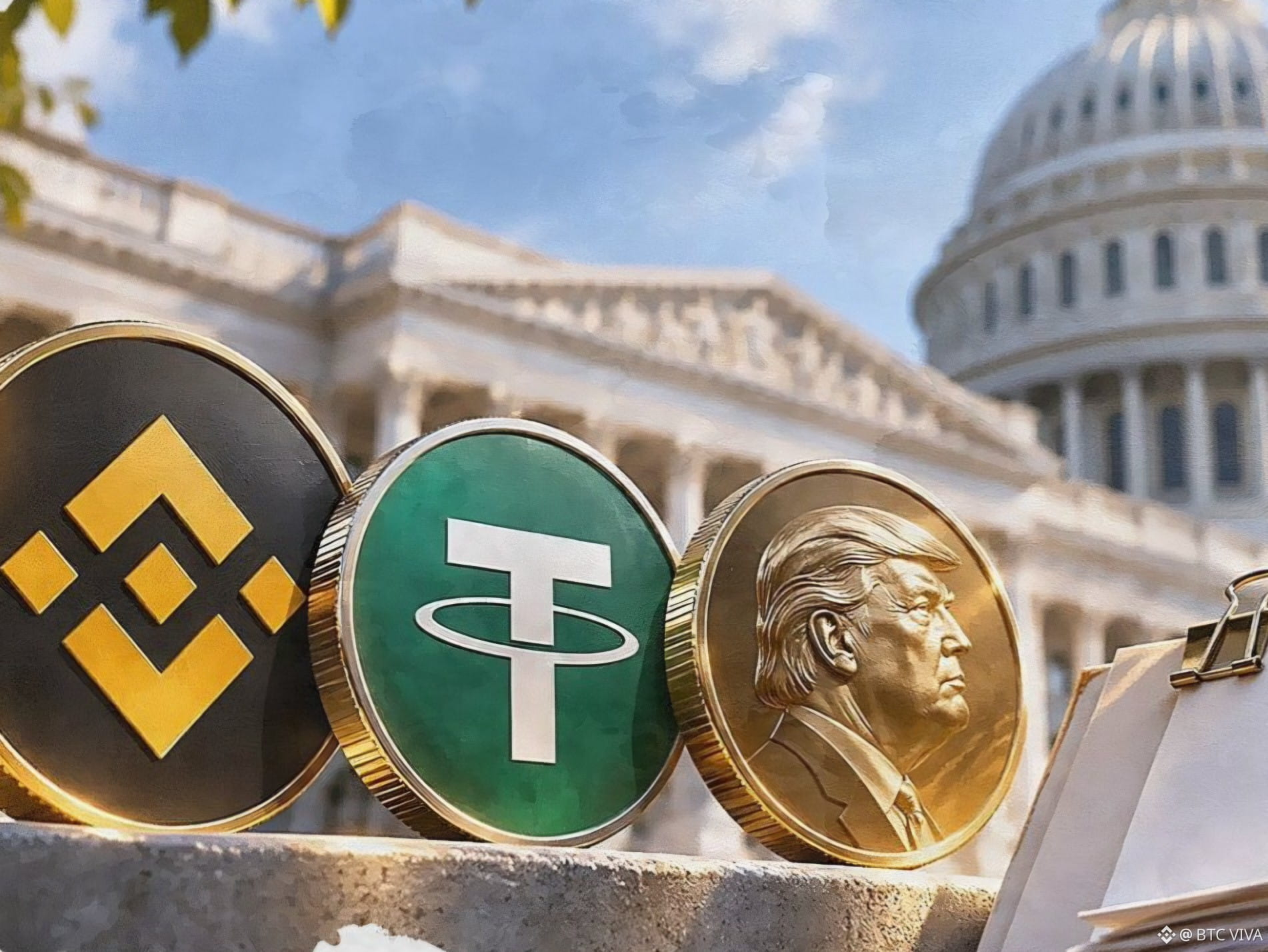
Congress Puts Pressure on Crypto Giants
Senator Richard Blumenthal is demanding documents from Binance, Tether, and crypto companies linked to Trump.
📊 The investigation covers sanctions, USDT, ties to the U.S. administration, and potential conflicts of interest.
Blumenthal could gain subpoena power if he takes the helm of a subcommittee in January 2027. #trump
#Tether #Congress #US
$BNB
{spot}(BNBUSDT)
🔥🔥🔥🔥🔥🔥🔥
Congress Puts Pressure on Crypto Giants
Senator Richard Blumenthal is demanding documents from Binance, Tether, and crypto companies linked to Trump.
📊 The investigation covers sanctions, USDT, ties to the U.S. administration, and potential conflicts of interest.
Blumenthal could gain subpoena power if he takes the helm of a subcommittee in January 2027. #trump
#Tether #Congress #US
$BNB
CryptoMind学道:
The US government always loves a good witch hunt against Tether and $BNB This is mostly political theater, but it will definitely create short-term FUD. Don't panic sell your spot bags. 👀
1
12
2.3k

·
--
Industry read after the session: crypto bills stalled on ethics fights.
• BasedAI/Kohai CEO Teana Taylor: crypto bills that were expected this session did not pass
• She attributes the stall mainly to ethics concerns about people in power
• She flags Sherrod Brown as "problematic" for crypto and expects some industry "lumps."
Why it matters: Post-session industry voices are flagging which ethics and Senate dynamics could slow market-structure and stablecoin bills.
Source: The Block (interview)
Not financial advice.
💬 Are ethics rules now the binding constraint on US crypto bills?
#Crypto #Regulation #Congress
7

·
--
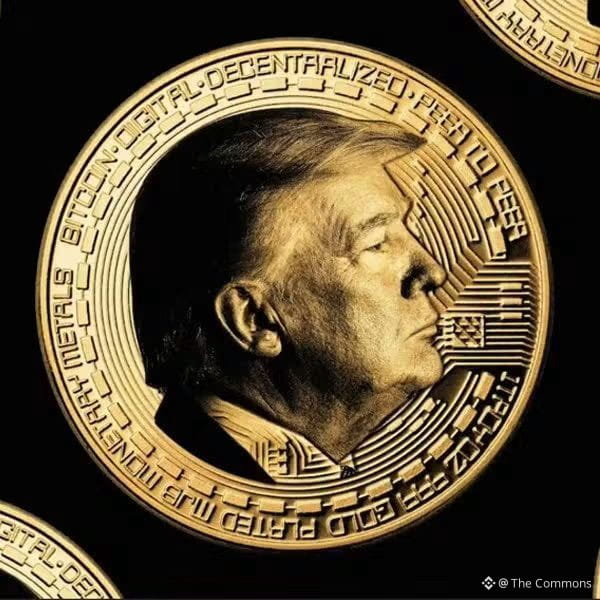
🚨 TRUMP WILL REMAIN PRESIDENT, BUT HERE'S WHAT HE MAY NO LONGER BE ABLE TO DO!
1️⃣ Pass New Laws: He needs congressional approval. With Democrats holding 90 seats, his legislative agenda could face serious roadblocks.
2️⃣ Secure Funding: Congress controls the budget. His MAGA projects, including the border wall, could struggle to get funding.
3️⃣ Face Impeachment: Democrats can launch investigations and introduce impeachment proceedings.
4️⃣ Appoint Judges & Officials Freely: The Senate can block or reject his nominees.
5️⃣ Make Major Foreign Deals: Trade agreements and war-related funding may require congressional approval.
THE BOTTOM LINE: $TRUMP may remain in the White House and continue signing Executive Orders, but Congress and the courts can limit or challenge his decisions.
🔥 The real question: How much power will Trump actually have?
#Trump #USPolitics #Congress #MAGACoin #MarketNews2026
{future}(TRUMPUSDT)
🚨 TRUMP WILL REMAIN PRESIDENT, BUT HERE'S WHAT HE MAY NO LONGER BE ABLE TO DO!
1️⃣ Pass New Laws: He needs congressional approval. With Democrats holding 90 seats, his legislative agenda could face serious roadblocks.
2️⃣ Secure Funding: Congress controls the budget. His MAGA projects, including the border wall, could struggle to get funding.
3️⃣ Face Impeachment: Democrats can launch investigations and introduce impeachment proceedings.
4️⃣ Appoint Judges & Officials Freely: The Senate can block or reject his nominees.
5️⃣ Make Major Foreign Deals: Trade agreements and war-related funding may require congressional approval.
THE BOTTOM LINE: $TRUMP may remain in the White House and continue signing Executive Orders, but Congress and the courts can limit or challenge his decisions.
🔥 The real question: How much power will Trump actually have?
#Trump #USPolitics #Congress #MAGACoin #MarketNews2026
1
397

·
--
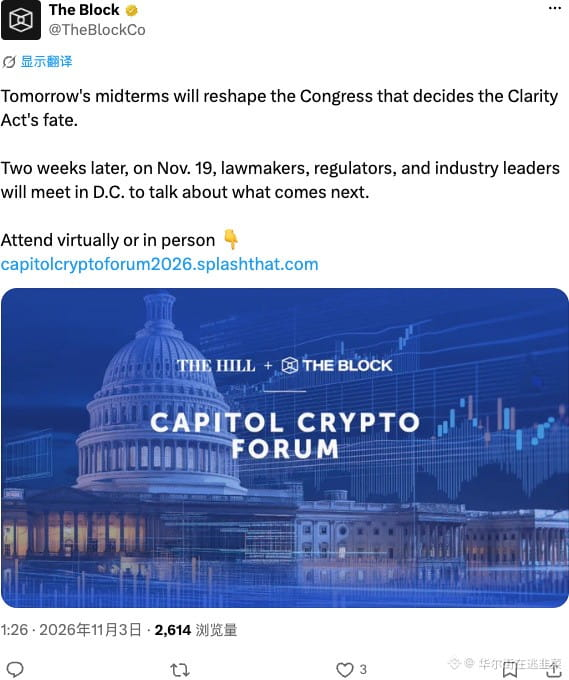
Tomorrow’s midterm elections will directly determine whether the Clarity Act survives. Who controls each chamber is crucial.
The big show in Washington kicks off on November 19, with regulators and industry heavyweights all turning out to watch.
This is more exciting than any Bitcoin halving. Let’s wait and see how it plays out.
$Crypto #Congress
The big show in Washington kicks off on November 19, with regulators and industry heavyweights all turning out to watch.
This is more exciting than any Bitcoin halving. Let’s wait and see how it plays out.
$Crypto #Congress
12
·
--
Bullish
Verified
#USMidtermElections
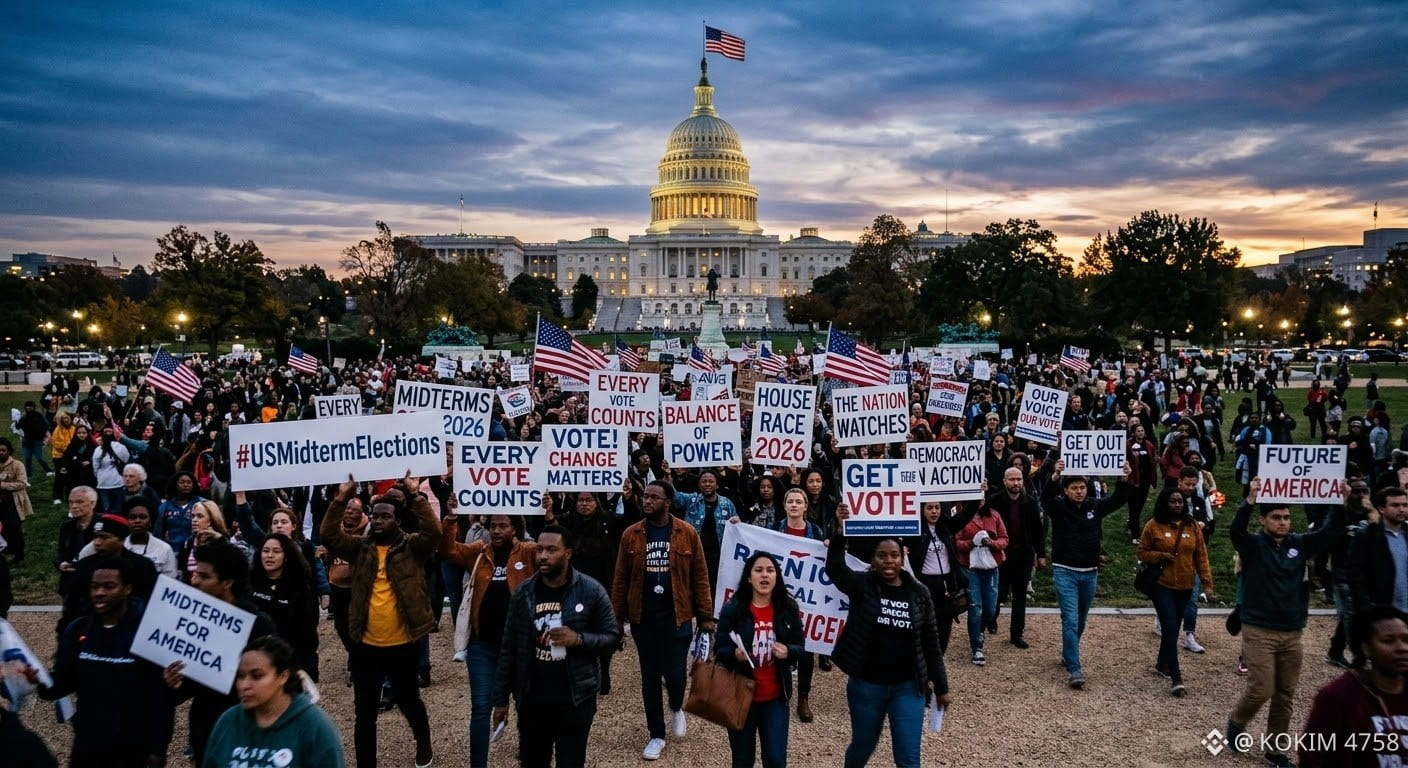
The political ecosystem of the United States is at a pivotal moment as the midterm elections approach. The 2026 election will renew all 435 seats in the House of Representatives and more than a third of the Senate, serving as a direct barometer of public approval of the administration in the White House.
The results of this election will determine the balance of power in the U.S. Congress for the next two years. If the governing party retains a majority in both chambers, it will ensure smooth passage of budgets and judicial appointments. If the opposition gains control of at least one chamber, it will open the door to legislative gridlock and greater scrutiny of the Executive Branch's actions.
Beyond the domestic landscape, political developments in Washington have an impact on the global economy, influencing interest rates, markets, and foreign trade policies. Following the U.S. elections is essential to understanding financial trends in the coming months.
I believe that the balance of power in Congress strengthens the stability of global markets.
$PARTI $BEAMX $SOPH
#USPolitics
#Congress
#MarketNews
683

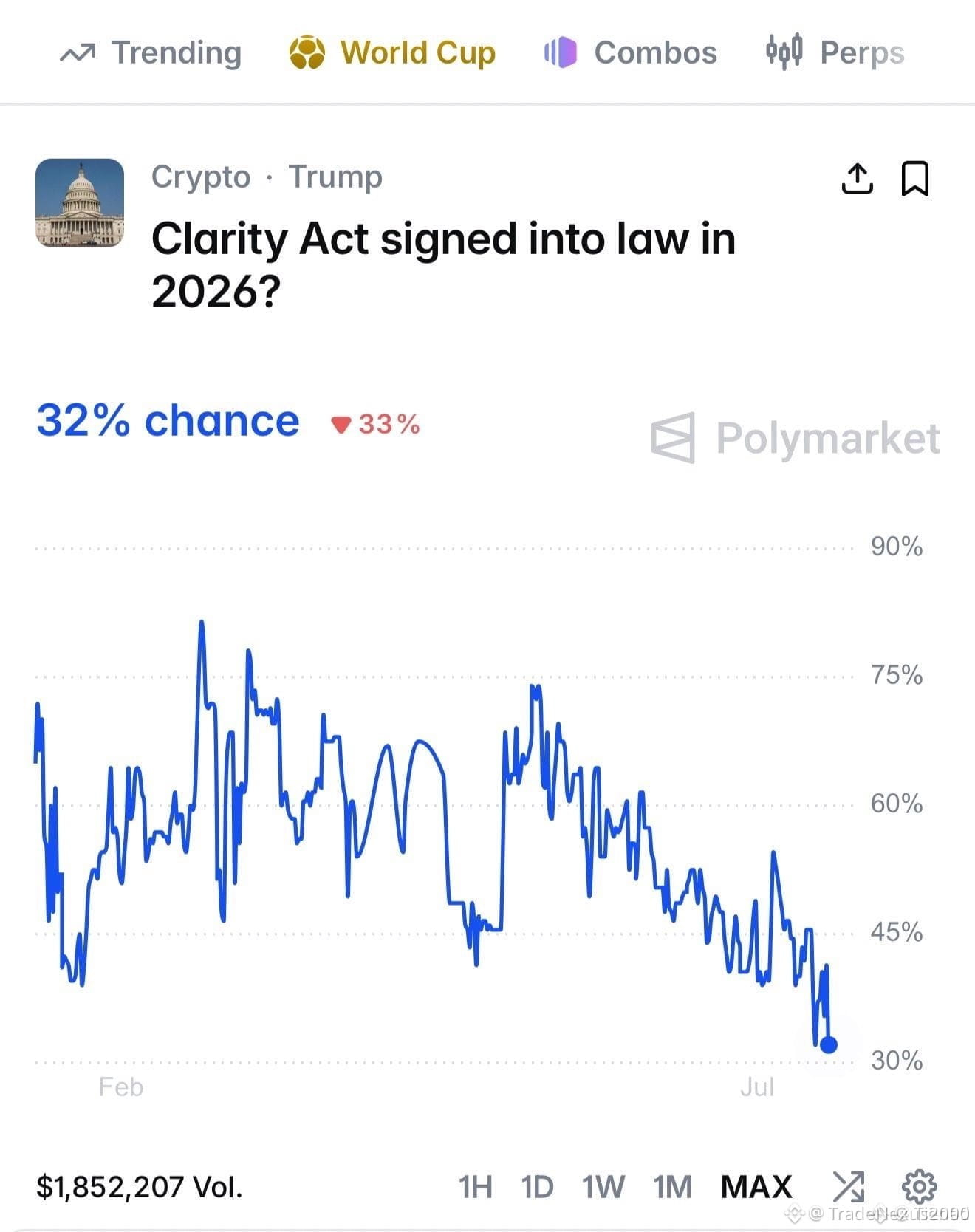
CONGRESS DEBATE PUSHES $XEC CLARITY ACT ODDS TO ALL-TIME LOW ⚡
The probability of the crypto Clarity Act passing has dropped to its lowest level yet as Congress deliberates. This is a structural shift in sentiment — when legislative clarity fades, markets tend to price in uncertainty.
For $XEC and related assets, this could mean increased volatility in the near term. Are you adjusting your position size based on this political risk?
Not financial advice. Always manage your risk.
#XEC #CryptoAct #Congress #MarketStructure
⚡
87

·
--
BREAKTHROUGH
Just when you thought it was safe, SENSATORS Gallego and Lummis have obliterated any chance of a SBF pardon with a scathing bipartisan resolution (#SBF #FTX #Congress). The proof is in the details: they're calling for the chamber to go on record, making a bold statement in opposition to any clemency for Sam Bankman-Fried. This historic move puts the Senate firmly in place against a pardon, and it's the flood has started for SBF's freedom (and maybe his crypto empire too).
Now, with this resolution gaining traction, the stakes have never been higher: what does this mean for the future of SBF, FTX, and the already battered crypto space? Will this be the end of SBF's freedom or the beginning of a new chapter? Stay tuned and get ready to watch this story unfold.
60
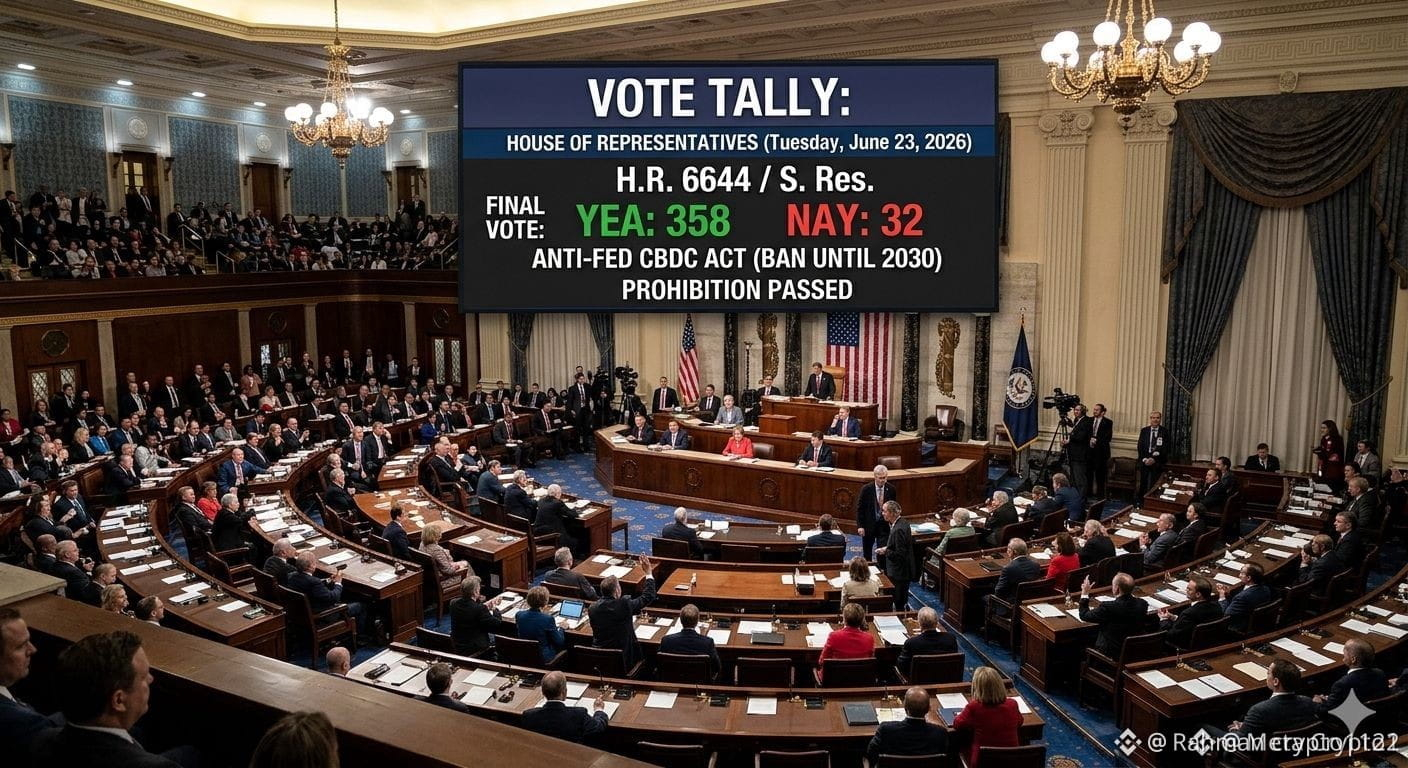
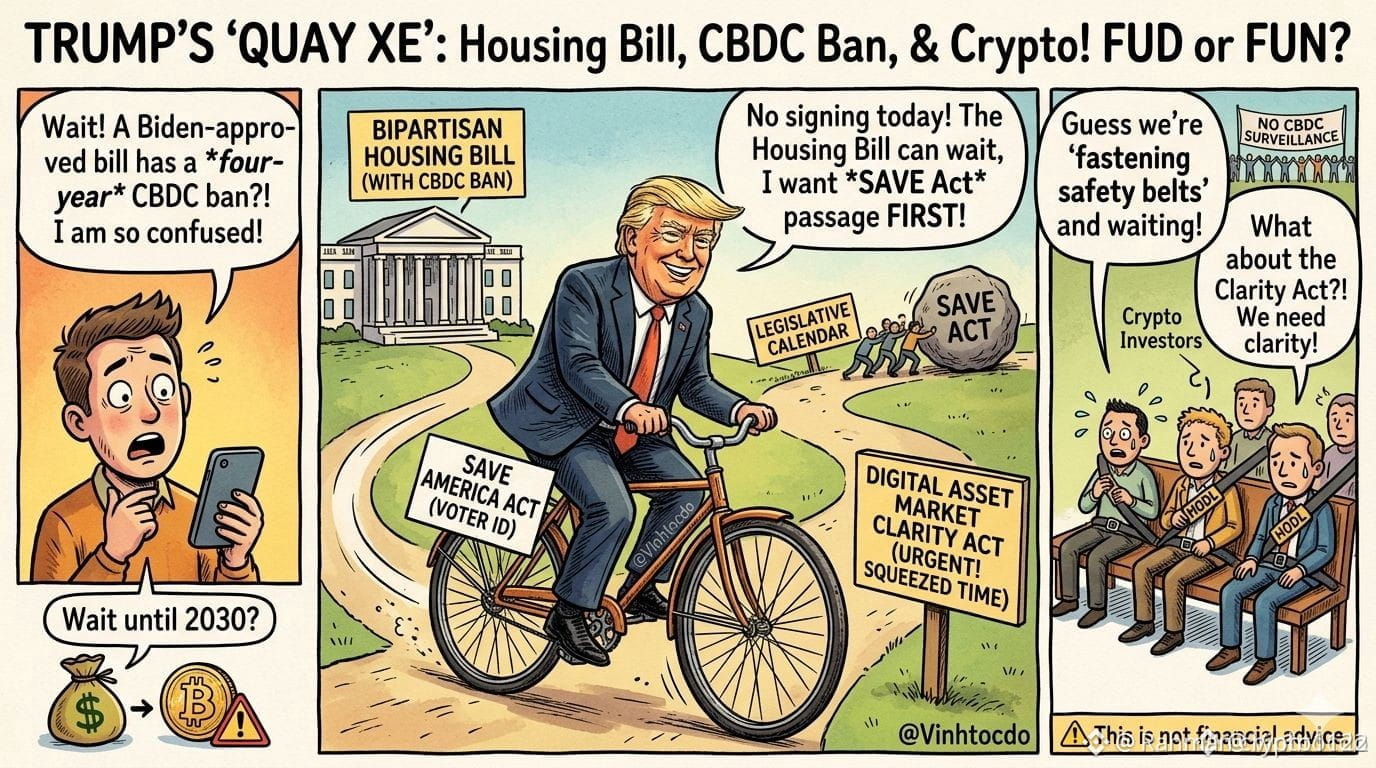
🚨🇺🇸 Reports indicate that legislation containing a provision to restrict a U.S. Federal Reserve Central Bank Digital Currency (CBDC) until 2030 could face delays as broader legislative priorities continue to be debated in Washington.
According to political and crypto market observers, attention has shifted toward election-related legislation, including the SAVE Act, raising questions about the timeline for other pending measures affecting digital assets and financial regulation.
The uncertainty has sparked discussion across the crypto community, with investors closely monitoring Congress and the White House for updates on CBDC policy, market structure legislation, and the future regulatory framework for digital assets.
⚠️ Disclaimer: Legislative negotiations are ongoing, and reports may change as new information emerges. Follow official congressional records and government statements for the latest developments.
Source: U.S. Congress legislative records, statements from congressional leaders, and reporting by major financial and cryptocurrency news outlets covering CBDC-related legislation.
#CBDC #CryptoNews #Bitcoin #DigitalAssets #Congress
$BTC $ETH $BNB
46

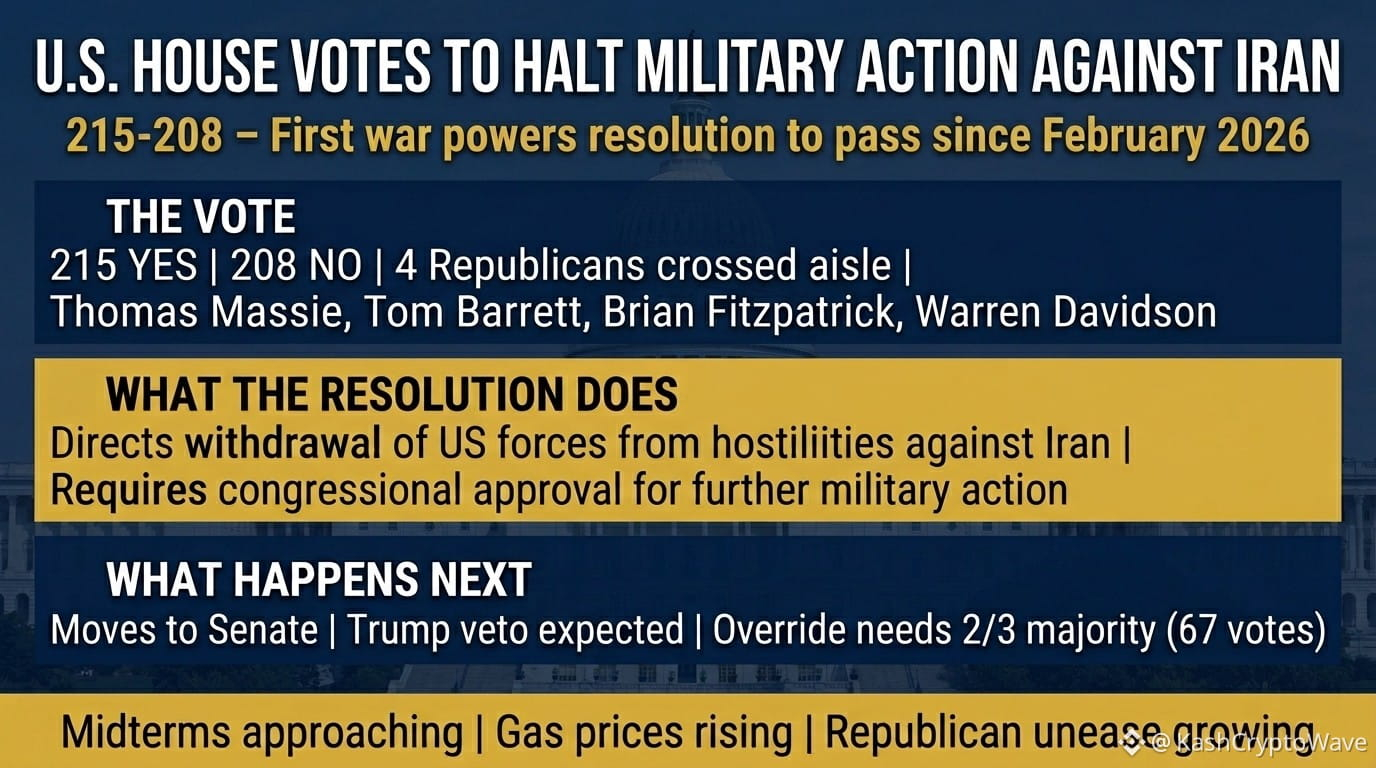
BREAKING: U.S. HOUSE VOTES TO HALT MILITARY ACTION AGAINST IRAN
In a historic rebuke to President Trump, the House just passed a war powers resolution 215-208.
4 Republicans joined Democrats to make it happen:
· Thomas Massie (KY)
· Tom Barrett (MI)
· Brian Fitzpatrick (PA)
· Warren Davidson (OH)
What the resolution does:
· Directs Trump to withdraw U.S. forces from hostilities against Iran
· Requires congressional authorization for any further military action
What happens next:
· The resolution heads to the Senate
· Trump would almost certainly veto it if passed
· A 2/3 majority would be needed to override
Why now?
With midterm elections approaching and gas prices rising, Republican unease with the war is growing.
👇 Does this vote signal a turning point in Congress – or just political theater?
$BTC
#IranWar #Congress #Trump #BreakingNews
158

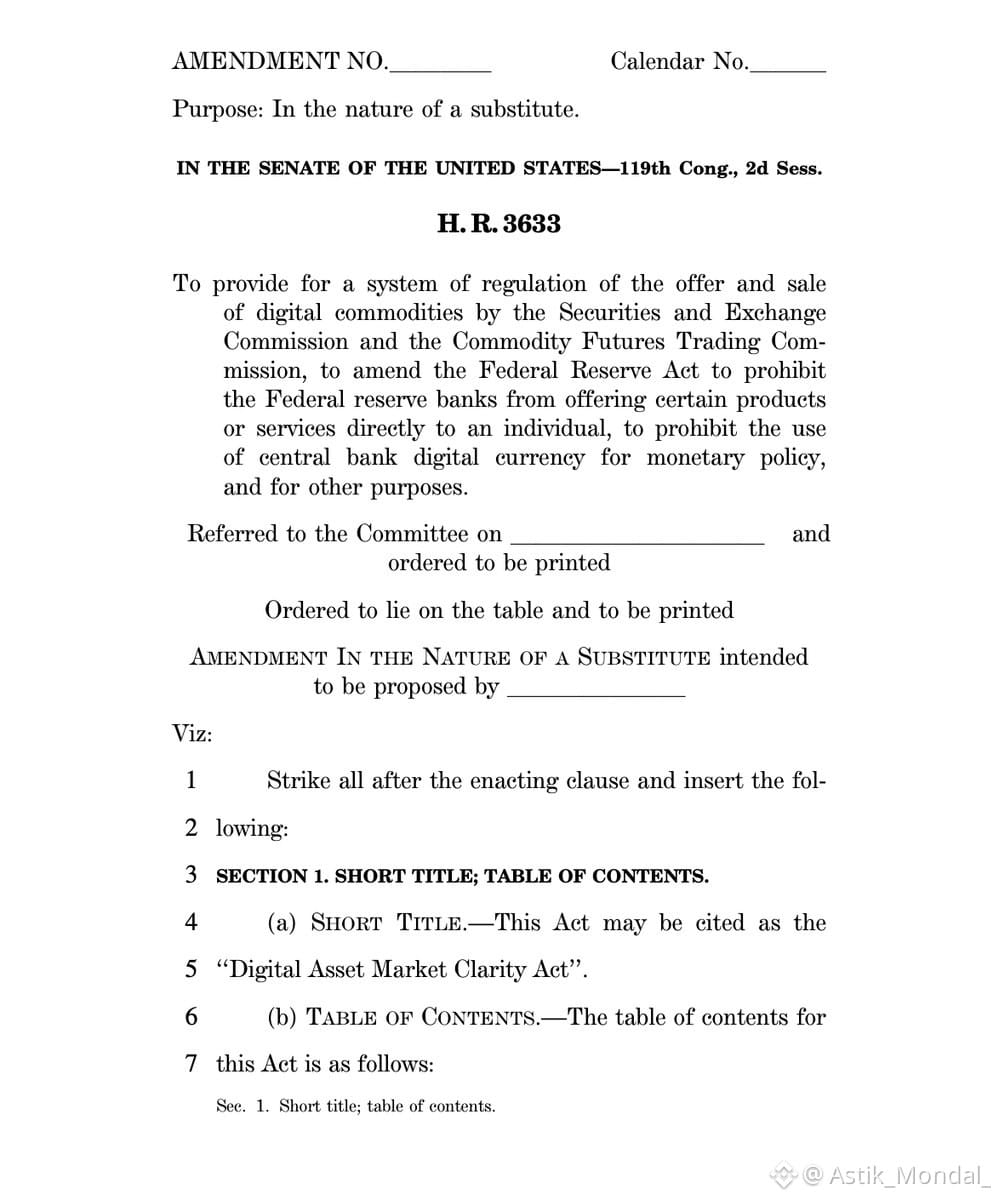
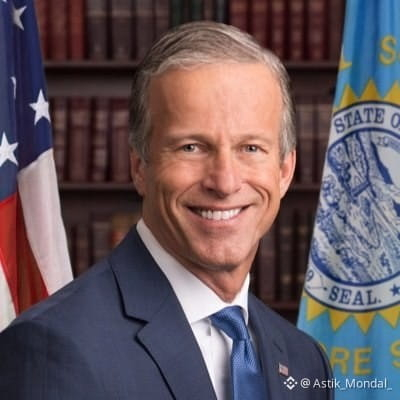
🚨 BREAKING: THE CLARITY ACT ISN'T DEAD YET.
Senate Majority Leader John Thune says he expects the market structure bill to get a vote this week.
But he added one important caveat:
"Whether we can get on it or not, we'll see."
That single sentence tells the entire story.
Momentum for crypto legislation is still alive, but the Senate schedule remains uncertain, leaving the industry's biggest regulatory breakthrough hanging in the balance.
After days of speculation, investors now have another reason to watch Capitol Hill closely.
If a vote happens, it could become one of the most consequential moments for U.S. digital asset regulation in years.
This week could shape the future of crypto in America.
All eyes are now on the Senate. 👀
#Bitcoin #Crypto #CLARITYAct #DigitalAssets #Congress
1
26

·
--
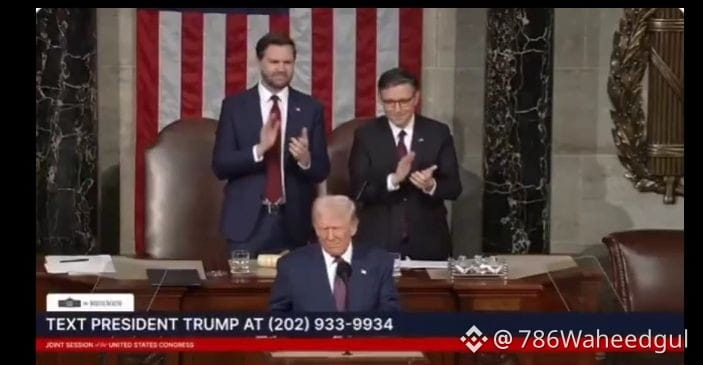
🇺🇸 A powerful moment from the U.S. Congress as the president addresses lawmakers during a joint session. The atmosphere reflects the significance of leadership, policy direction, and the challenges facing the nation. With lawmakers standing in support, this speech highlights key priorities that could shape the future of the economy, national security, and global relations. Political speeches like these often influence markets, investor sentiment, and international diplomacy. As new policies emerge, the world will be closely watching the decisions made in Washington and their potential impact on both domestic and global affairs. #USA #Congress #Politics #Leadership
🇺🇸 A powerful moment from the U.S. Congress as the president addresses lawmakers during a joint session. The atmosphere reflects the significance of leadership, policy direction, and the challenges facing the nation. With lawmakers standing in support, this speech highlights key priorities that could shape the future of the economy, national security, and global relations. Political speeches like these often influence markets, investor sentiment, and international diplomacy. As new policies emerge, the world will be closely watching the decisions made in Washington and their potential impact on both domestic and global affairs. #USA #Congress #Politics #Leadership
61

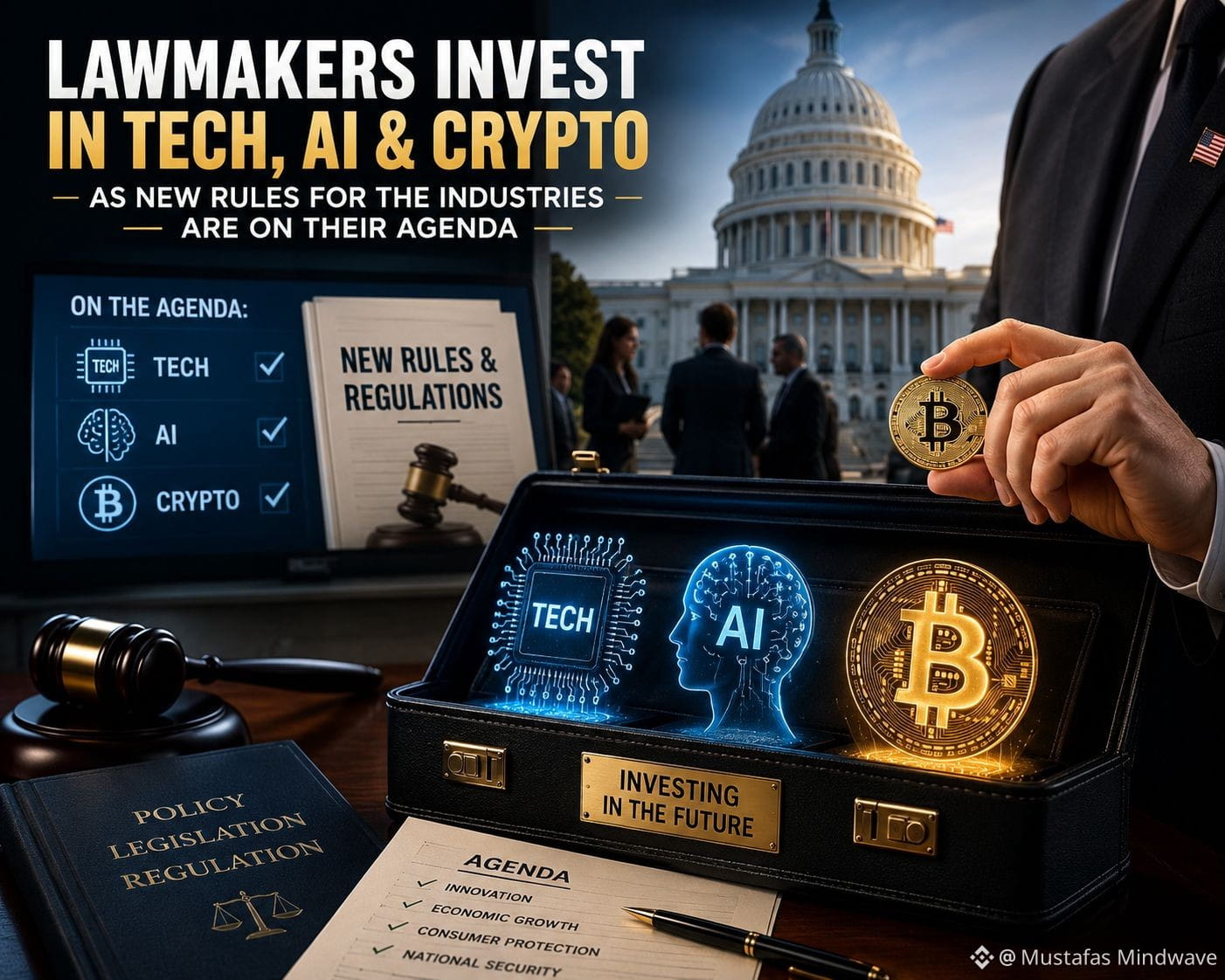
🚨 LATEST: 🇺🇸 As Congress debates new rules for AI, crypto, and emerging technologies, lawmakers themselves are increasingly investing in many of the same sectors.
Recent financial disclosures show members of Congress and their families continue to hold positions in tech companies, AI-related firms, and crypto-linked investments while legislation affecting those industries remains under discussion.
Supporters argue these investments are legal and properly disclosed.
Critics, however, say it raises questions about potential conflicts of interest when lawmakers help shape policies that could directly impact sectors in which they have financial exposure.
With AI and crypto regulation becoming major priorities in Washington, scrutiny over congressional trading is likely to remain in the spotlight. 👀
#AI #Crypto #congress #Technology #BinanceSquare
34

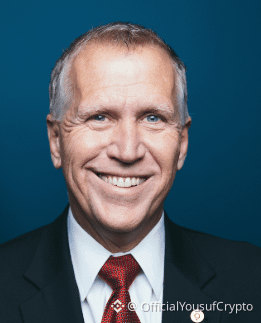
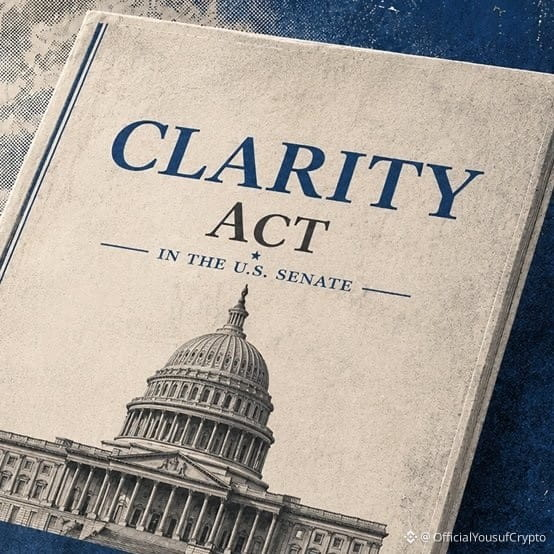
🚨 CLARITY Act Update
Sen. Thom Tillis says he’ll vote YES to move the CLARITY Act forward, saying he’s “very pleased” with the White House’s work on the ethics provisions.
His message to other lawmakers is simple: keep the bill open to amendments. If their concerns still aren’t addressed, they can vote NO when it reaches the final passage.
The next steps could be important for the crypto industry. 👀
#CLARITYAct #Congress #Crypto #BinanceSquare
$FF
{future}(FFUSDT)
$WIF
{future}(WIFUSDT)
$NOW
{future}(NOWUSDT)
🚨 CLARITY Act Update
Sen. Thom Tillis says he’ll vote YES to move the CLARITY Act forward, saying he’s “very pleased” with the White House’s work on the ethics provisions.
His message to other lawmakers is simple: keep the bill open to amendments. If their concerns still aren’t addressed, they can vote NO when it reaches the final passage.
The next steps could be important for the crypto industry. 👀
#CLARITYAct #Congress #Crypto #BinanceSquare
$FF
$WIF
$NOW
138
Log in to explore more content
Join global crypto users on Binance Square
⚡️ Get latest and useful information about crypto.
💬 Trusted by the world’s largest crypto exchange.
👍 Discover real insights from verified creators.
Email / Phone number
Trending Topics
1
#WhoWillSucceedJensenHuangatNvidia?
169,512 views
1,644 Discussing
2
#WhatWillDriveCryptoandStocks’NextRebound?
573,480 views
3,483 Discussing
3
#BitcoinActiveSupplyInProfitDropsBelow45%
75,005 views
710 Discussing
4
#KavaSaysAbnormalActivityLimitedToKavaLend
41,063 views
396 Discussing
5
#USSpotXRPETFsSeeLargestWeeklyOutflowIn8Months
32,130 views
343 Discussing
6
#USPPIMissMayEaseBTCPressure
299,197 views
2,262 Discussing
7
#WORPTLetsTouristsConvertCryptoToThaiBaht
10,170 views
96 Discussing
8
#TONStrategyReports$23.97MQ3NetLoss
10,661 views
43 Discussing
9
#PolkadotCommunityApprovesNewStrategyWith97%Vote
28,817 views
291 Discussing
10
#dYdXPlansV9.9UpgradeToShiftUSDCToInjective
27,673 views
255 Discussing