
#variational
variational
5,189 views
63 Discussing
Hot
Latest

Variational’s Omni is removing invite codes tonight and opening its mainnet to the public. Official figures relayed by Wu Shuo: over $1.5 billion in OI, over $450 billion in cumulative trading volume, more than 550 markets, and “permanent” zero fees. The community is already saying a token launch is just around the corner.
What I care about isn’t that the doors are open—it’s who’s carrying that $1.5 billion in OI.
We’ve discussed Omni’s structure before: the only quoting party is the official OLP. Every position you open is against it, and it then uses its own capital to hedge externally. The Q3 figures circulating last month put average OI at $741 million; now it’s said to be over $1.5 billion, doubling in just over a month. On November 8, the team credited the higher OI cap to better hedging infrastructure and more liquidity partners, without naming those partners.
Add another figure: multiple accounts have cited claims that TradFi already makes up more than 60% of Omni’s trading volume, with stocks, indices, and gold driving it. That’s where the problem lies. Crypto can be hedged 24/7; US stock markets are closed on weekends. If a user opens a US stock perpetual on Omni on Friday night, the OLP can only hedge on another on-chain perpetual market—or carry the position until Monday. Some users dug up the fact that Omni swaps can charge triple funding fees on Fridays to cover the weekend. That’s standard TradFi financing practice, and suggests they know those weekend positions are hard to manage.
So when the market gaps at Monday’s open, the P&L hits the OLP first. Doubled OI, a higher TradFi share, and a batch of new points hunters coming in through public registration—all three together amplify a single counterparty’s tail risk; they don’t reduce it.
My view hasn’t changed: the RFQ brokerage model isn’t inherently bad, but OI pumped up before a token launch isn’t a moat. If you’re getting involved, watch two things: whether the OLP’s size and hedging venues are disclosed, and whether the OLP took losses during those weekend gaps. Farm the points if you want, but don’t take on a big position.
#Variational
Variational’s Omni is removing invite codes tonight and opening its mainnet to the public. Official figures relayed by Wu Shuo: over $1.5 billion in OI, over $450 billion in cumulative trading volume, more than 550 markets, and “permanent” zero fees. The community is already saying a token launch is just around the corner.
What I care about isn’t that the doors are open—it’s who’s carrying that $1.5 billion in OI.
We’ve discussed Omni’s structure before: the only quoting party is the official OLP. Every position you open is against it, and it then uses its own capital to hedge externally. The Q3 figures circulating last month put average OI at $741 million; now it’s said to be over $1.5 billion, doubling in just over a month. On November 8, the team credited the higher OI cap to better hedging infrastructure and more liquidity partners, without naming those partners.
Add another figure: multiple accounts have cited claims that TradFi already makes up more than 60% of Omni’s trading volume, with stocks, indices, and gold driving it. That’s where the problem lies. Crypto can be hedged 24/7; US stock markets are closed on weekends. If a user opens a US stock perpetual on Omni on Friday night, the OLP can only hedge on another on-chain perpetual market—or carry the position until Monday. Some users dug up the fact that Omni swaps can charge triple funding fees on Fridays to cover the weekend. That’s standard TradFi financing practice, and suggests they know those weekend positions are hard to manage.
So when the market gaps at Monday’s open, the P&L hits the OLP first. Doubled OI, a higher TradFi share, and a batch of new points hunters coming in through public registration—all three together amplify a single counterparty’s tail risk; they don’t reduce it.
My view hasn’t changed: the RFQ brokerage model isn’t inherently bad, but OI pumped up before a token launch isn’t a moat. If you’re getting involved, watch two things: whether the OLP’s size and hedging venues are disclosed, and whether the OLP took losses during those weekend gaps. Farm the points if you want, but don’t take on a big position.
#Variational
What I care about isn’t that the doors are open—it’s who’s carrying that $1.5 billion in OI.
We’ve discussed Omni’s structure before: the only quoting party is the official OLP. Every position you open is against it, and it then uses its own capital to hedge externally. The Q3 figures circulating last month put average OI at $741 million; now it’s said to be over $1.5 billion, doubling in just over a month. On November 8, the team credited the higher OI cap to better hedging infrastructure and more liquidity partners, without naming those partners.
Add another figure: multiple accounts have cited claims that TradFi already makes up more than 60% of Omni’s trading volume, with stocks, indices, and gold driving it. That’s where the problem lies. Crypto can be hedged 24/7; US stock markets are closed on weekends. If a user opens a US stock perpetual on Omni on Friday night, the OLP can only hedge on another on-chain perpetual market—or carry the position until Monday. Some users dug up the fact that Omni swaps can charge triple funding fees on Fridays to cover the weekend. That’s standard TradFi financing practice, and suggests they know those weekend positions are hard to manage.
So when the market gaps at Monday’s open, the P&L hits the OLP first. Doubled OI, a higher TradFi share, and a batch of new points hunters coming in through public registration—all three together amplify a single counterparty’s tail risk; they don’t reduce it.
My view hasn’t changed: the RFQ brokerage model isn’t inherently bad, but OI pumped up before a token launch isn’t a moat. If you’re getting involved, watch two things: whether the OLP’s size and hedging venues are disclosed, and whether the OLP took losses during those weekend gaps. Farm the points if you want, but don’t take on a big position.
#Variational

·
--
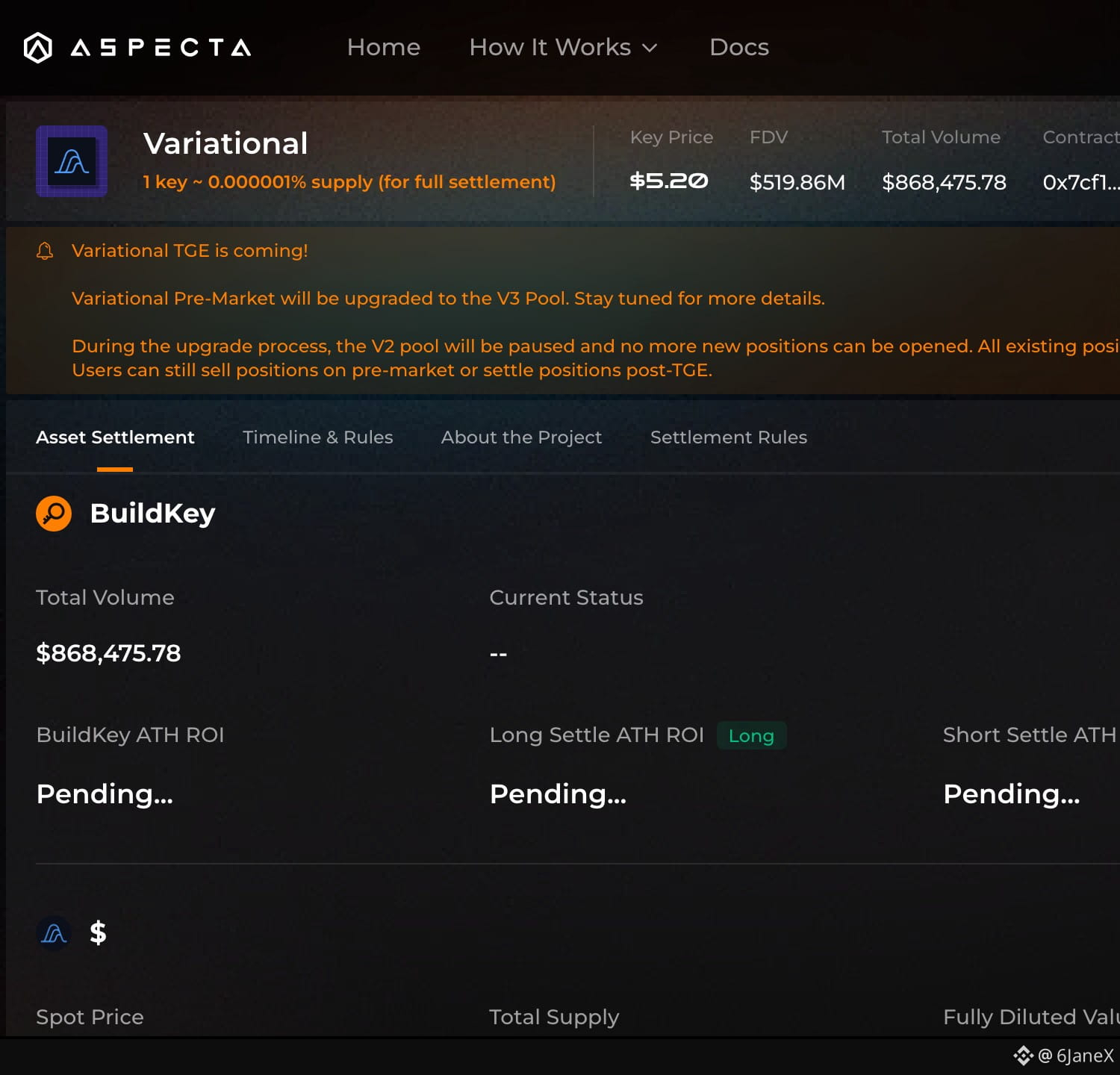
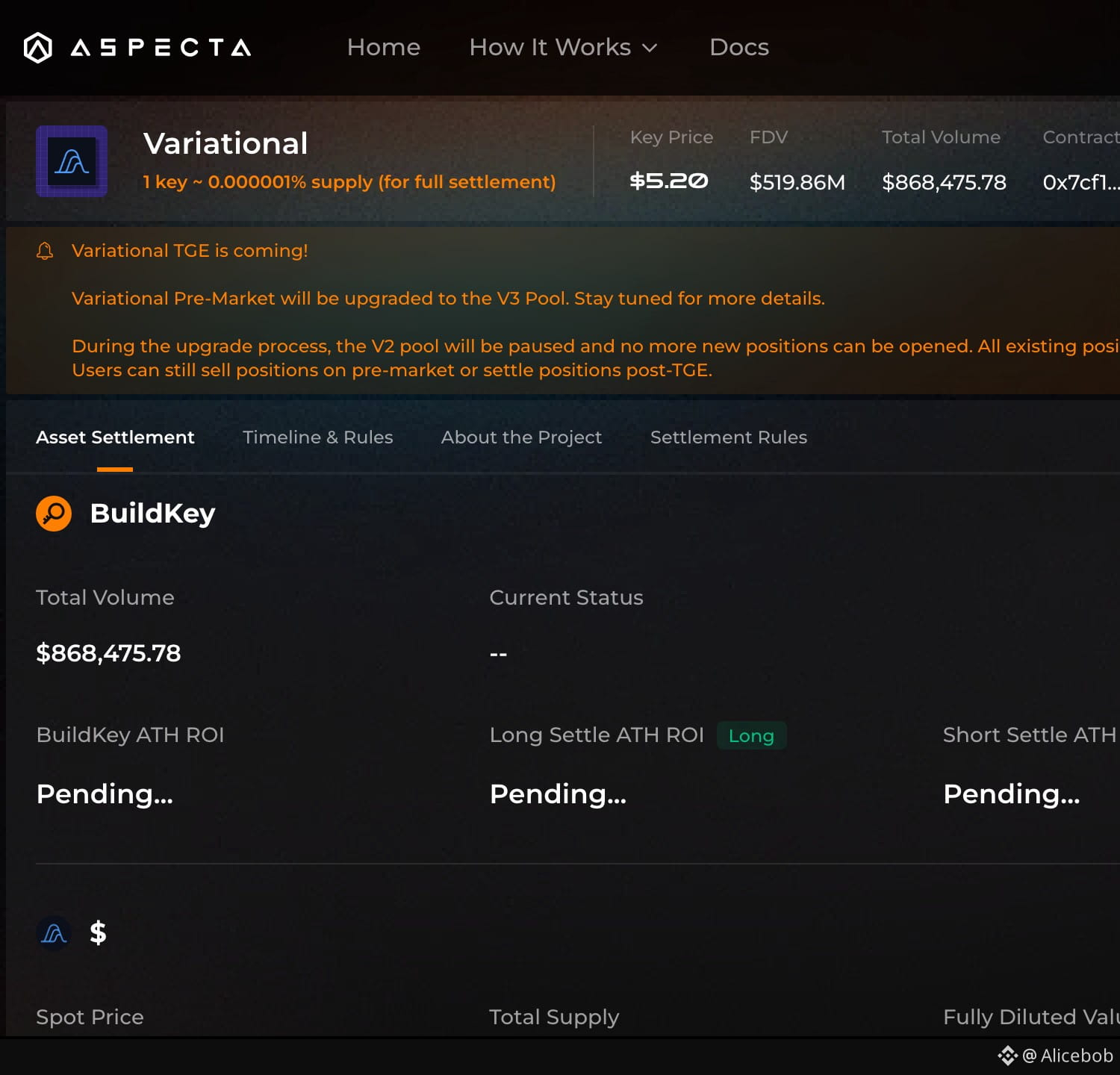
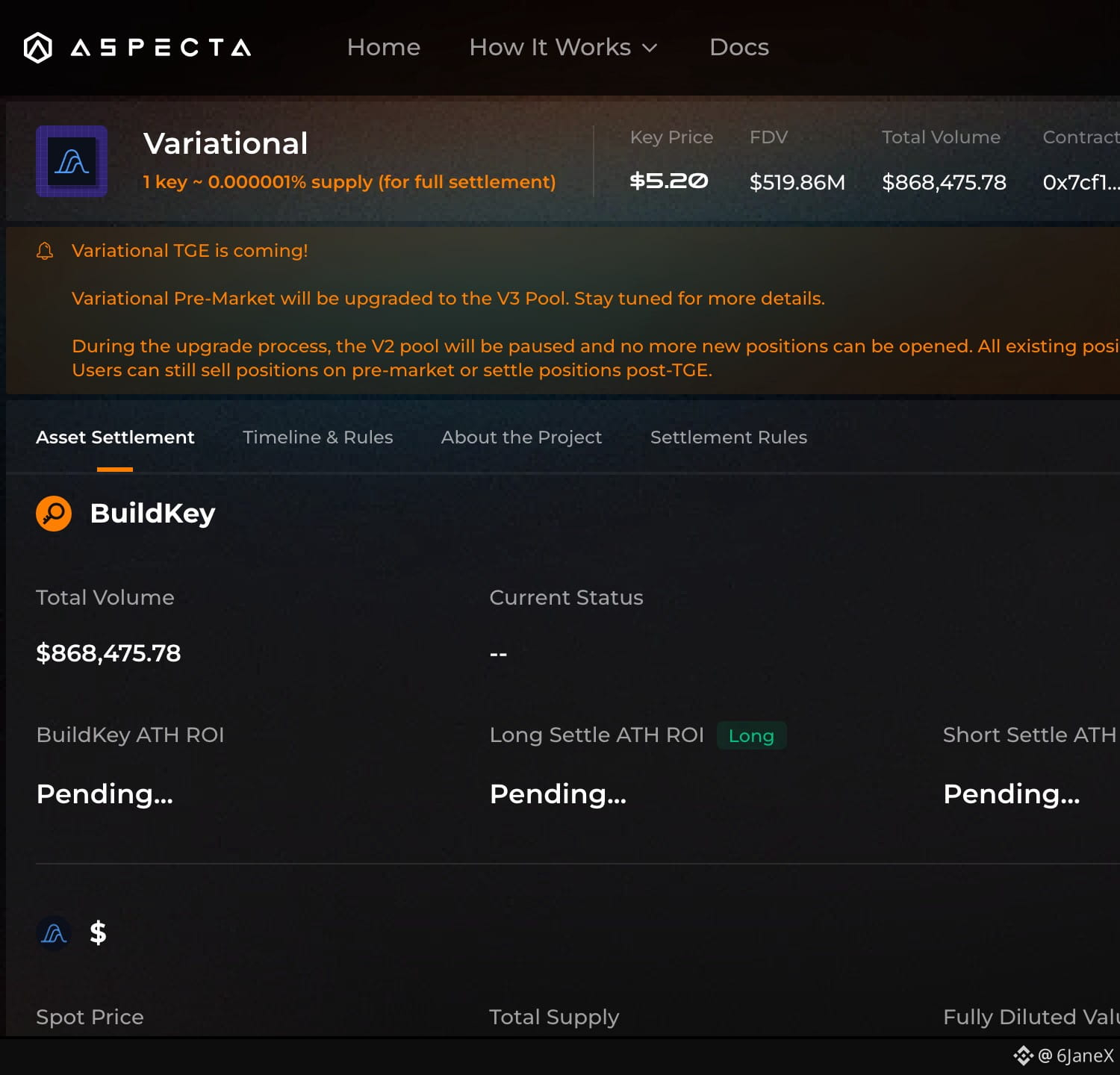
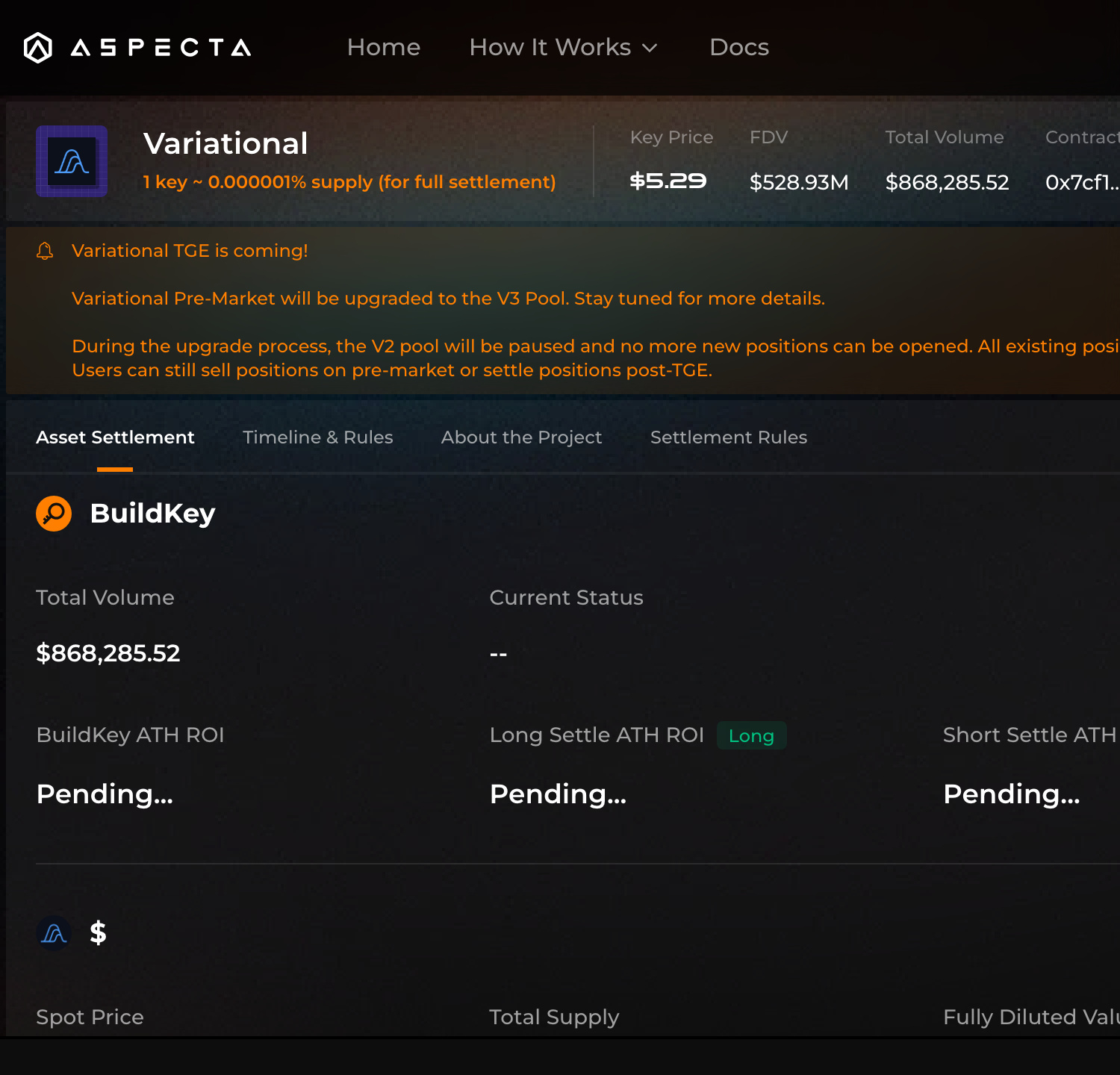
Variational is quoted at $7.5169, with an FDV of $751.4M. Based on the screenshot, the candlestick chart is in a high-level consolidation phase, and the short-term focus is whether the price can hold its current range. If the closing price continues to move higher, market strength will be further confirmed. Real-time price action and the trading portal are now available on Aspecta: trade.aspecta.ai 📈
#Variational $Variational $BNB $ASP
Variational is quoted at $7.5169, with an FDV of $751.4M. Based on the screenshot, the candlestick chart is in a high-level consolidation phase, and the short-term focus is whether the price can hold its current range. If the closing price continues to move higher, market strength will be further confirmed. Real-time price action and the trading portal are now available on Aspecta: trade.aspecta.ai 📈
#Variational $Variational $BNB $ASP
#Variational $Variational $BNB $ASP
91

·
--
Variational is currently priced at $7.5169, with an FDV of $751.4M. Looking at this candlestick chart, the market is currently in a high-level consolidation phase. In the short term, the key question is whether stable support can form around $7.5, and whether the closing price continues to move higher. View the full price trend and access the trading portal on Aspecta: trade.aspecta.ai 📊
#Variational $Variational $BNB $ASP
Variational is currently priced at $7.5169, with an FDV of $751.4M. Looking at this candlestick chart, the market is currently in a high-level consolidation phase. In the short term, the key question is whether stable support can form around $7.5, and whether the closing price continues to move higher. View the full price trend and access the trading portal on Aspecta: trade.aspecta.ai 📊
#Variational $Variational $BNB $ASP
#Variational $Variational $BNB $ASP
35
·
--
Variational is currently priced at $7.5169, with an FDV of $751.4M. Based on the screenshot, the price is currently hovering around the $7.5 level, and the key question is whether this level can become new support. If closing prices gradually hold above it, the short-term structure will favor bulls; if the price falls back below this key level, the outlook should be reassessed. View real-time candlesticks and trade on Aspecta: trade.aspecta.ai 📊
#Variational $Variational $BNB $ASP
Variational is currently priced at $7.5169, with an FDV of $751.4M. Based on the screenshot, the price is currently hovering around the $7.5 level, and the key question is whether this level can become new support. If closing prices gradually hold above it, the short-term structure will favor bulls; if the price falls back below this key level, the outlook should be reassessed. View real-time candlesticks and trade on Aspecta: trade.aspecta.ai 📊
#Variational $Variational $BNB $ASP
#Variational $Variational $BNB $ASP
265
·
--
Variational current price $7.5169, FDV $751.4M. Based on the screenshot, the market is moving through a relatively restrained consolidation phase, with price volatility not yet expanding significantly. Keep an eye on whether the center of gravity of the candlesticks continues to move upward. The full price chart and trading access are now available on Aspecta: trade.aspecta.ai 📈
#Variational $Variational $BNB $ASP
Variational current price $7.5169, FDV $751.4M. Based on the screenshot, the market is moving through a relatively restrained consolidation phase, with price volatility not yet expanding significantly. Keep an eye on whether the center of gravity of the candlesticks continues to move upward. The full price chart and trading access are now available on Aspecta: trade.aspecta.ai 📈
#Variational $Variational $BNB $ASP
#Variational $Variational $BNB $ASP
59
·
--
Variational is currently priced at $7.5169, with an FDV of $751.4M. Looking at the candlestick chart, the key focus for the recent market action is whether the current trading range will persist. If the price gradually rises, market pricing may continue to recover; if it fails to break out, keep an eye on continued range-bound trading. The chart and trading access are now live on Aspecta: trade.aspecta.ai 📊
#Variational $Variational $BNB $ASP
Variational is currently priced at $7.5169, with an FDV of $751.4M. Looking at the candlestick chart, the key focus for the recent market action is whether the current trading range will persist. If the price gradually rises, market pricing may continue to recover; if it fails to break out, keep an eye on continued range-bound trading. The chart and trading access are now live on Aspecta: trade.aspecta.ai 📊
#Variational $Variational $BNB $ASP
#Variational $Variational $BNB $ASP
48
·
--
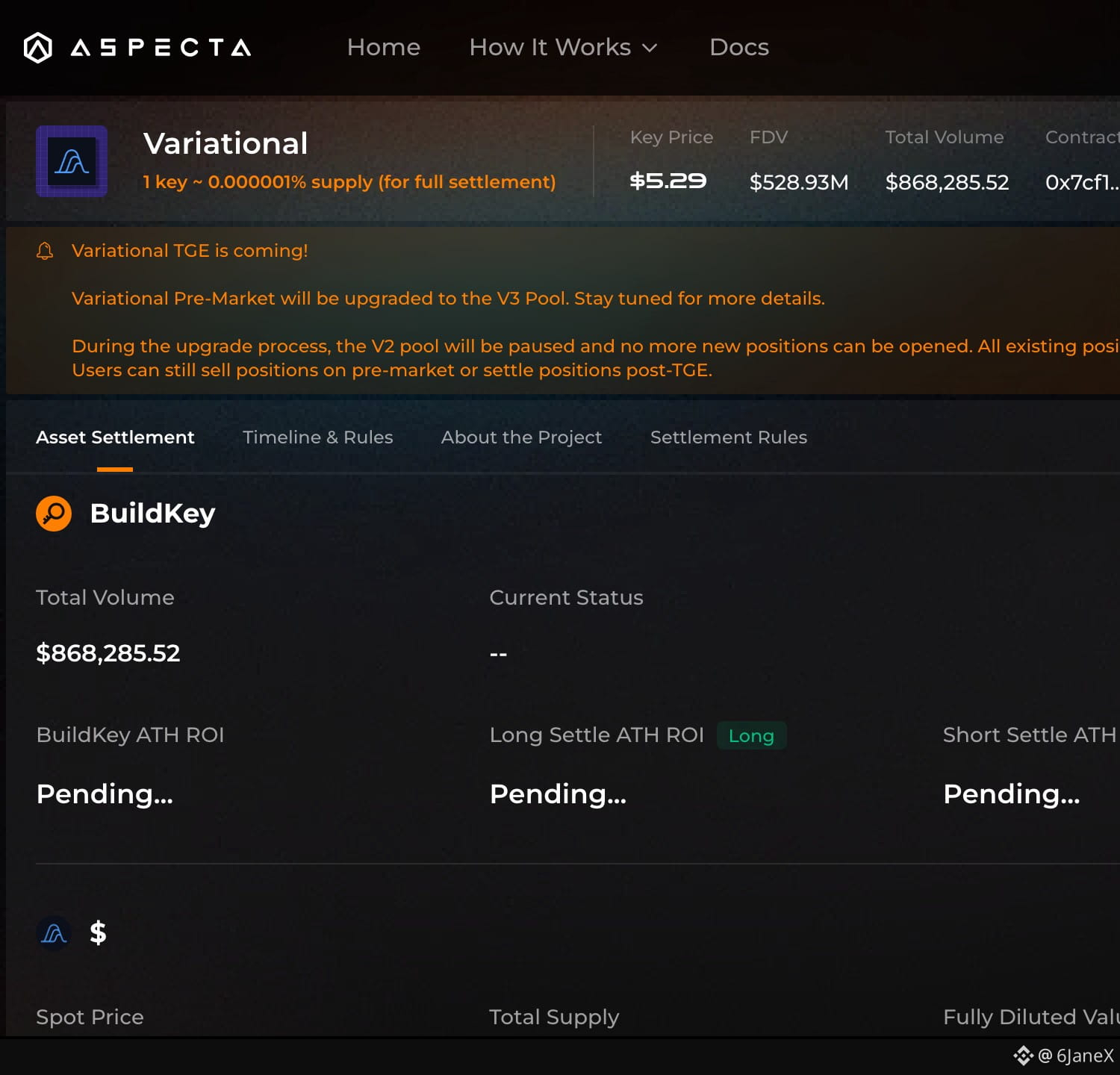
Variational is currently priced at $7.5169, with an FDV of $751.4M. Looking at the candlestick chart, the market is still watching how buying and selling pressure is redistributed. In the short term, keep an eye on shifts in the price base and reactions at key levels. The full chart and trading access are now available on Aspecta. Visit trade.aspecta.ai 📈
#Variational $Variational $BNB $ASP
Variational is currently priced at $7.5169, with an FDV of $751.4M. Looking at the candlestick chart, the market is still watching how buying and selling pressure is redistributed. In the short term, keep an eye on shifts in the price base and reactions at key levels. The full chart and trading access are now available on Aspecta. Visit trade.aspecta.ai 📈
#Variational $Variational $BNB $ASP
#Variational $Variational $BNB $ASP
40
·
--
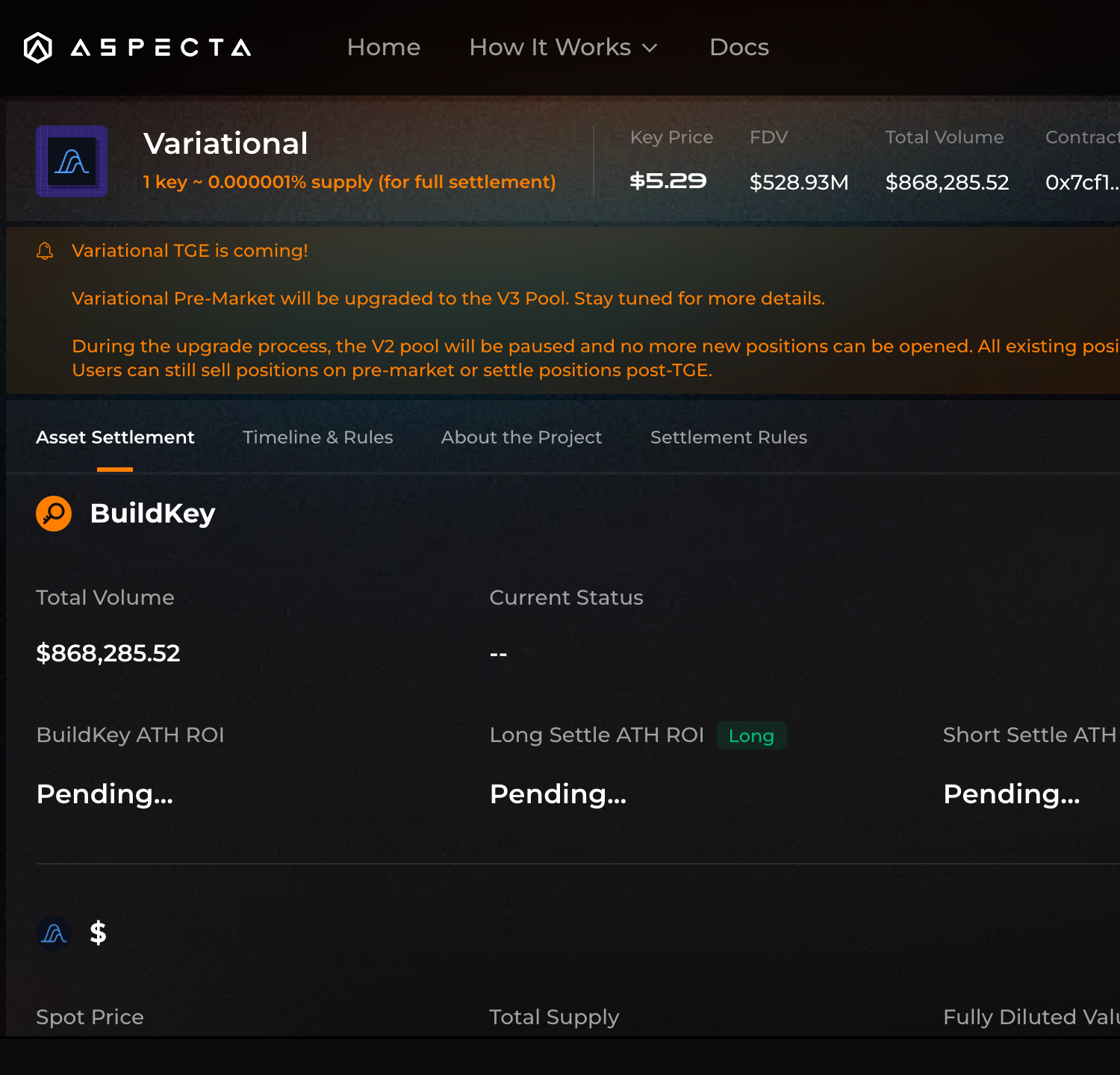
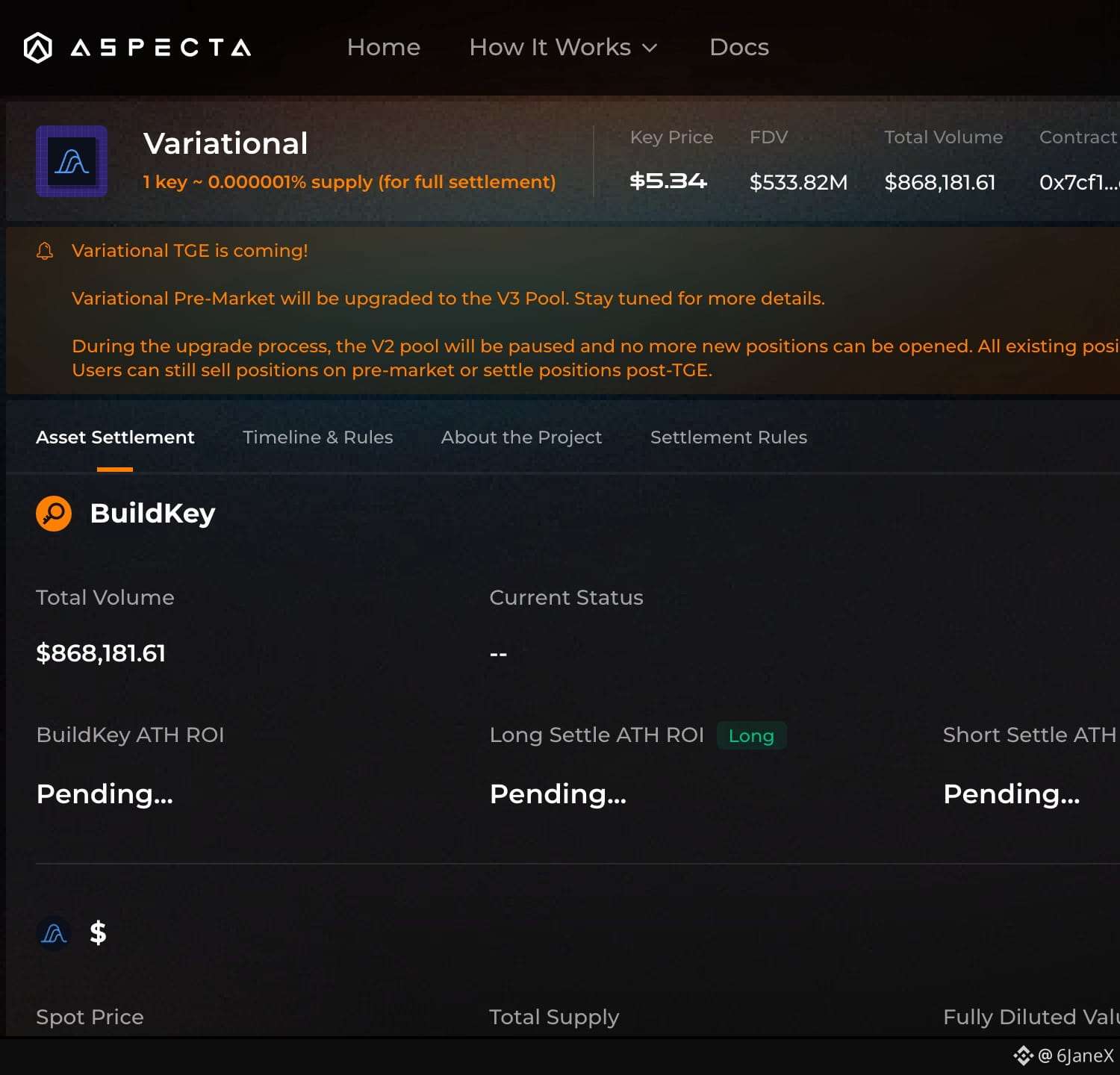
Variational’s current price is $7.5169, with an FDV of $751.4M. Based on the screenshot, the market looks more like sideways trading in a high-valuation range. Going forward, watch for more than just a surge in volume in the candlestick chart; don’t say volume. “A breakout by the candle body” and “price support after a pullback”—but they’re similar. Use “a shift in the closing price center of gravity.” Live charts and trading are now available on Aspecta: trade.aspecta.ai 📊
#Variational $Variational $BNB $ASP
Variational’s current price is $7.5169, with an FDV of $751.4M. Based on the screenshot, the market looks more like sideways trading in a high-valuation range. Going forward, watch for more than just a surge in volume in the candlestick chart; don’t say volume. “A breakout by the candle body” and “price support after a pullback”—but they’re similar. Use “a shift in the closing price center of gravity.” Live charts and trading are now available on Aspecta: trade.aspecta.ai 📊
#Variational $Variational $BNB $ASP
#Variational $Variational $BNB $ASP
113
After reading Variational’s Q3 report, my first reaction wasn’t “wow”—it was “points season really can move the needle.”
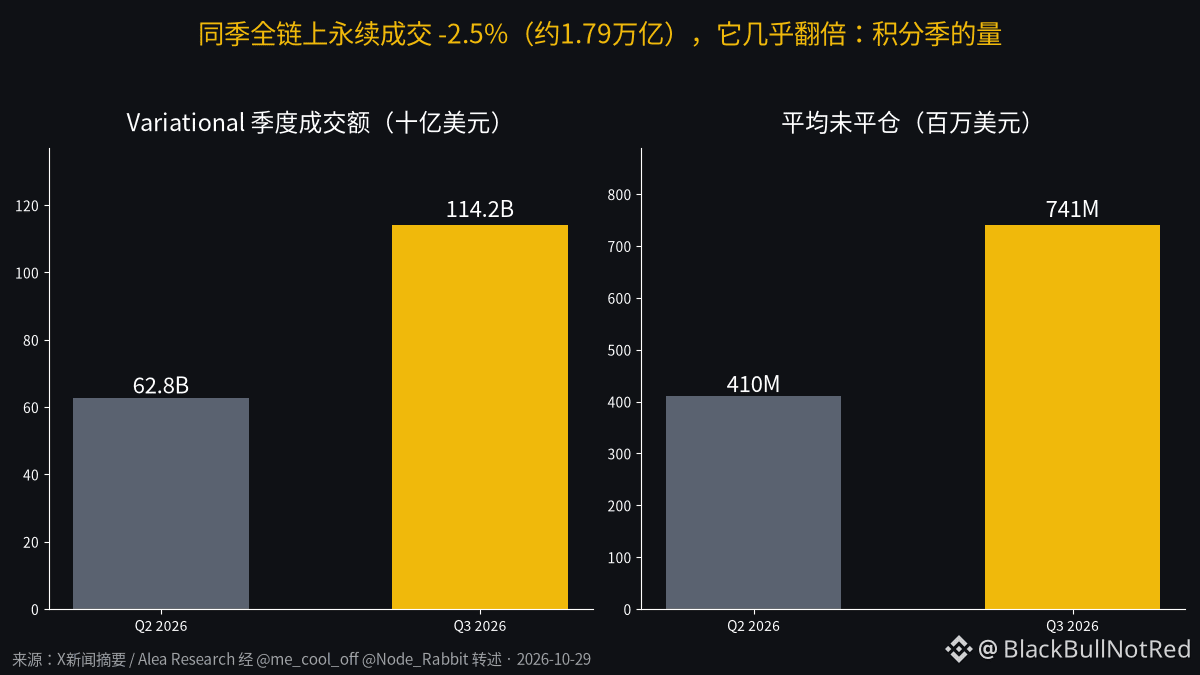
The numbers themselves look fine: Q2 volume was $62.8 billion, and Q3 hit $114.2 billion. Average open interest rose from $410 million to $741 million. Meanwhile, on-chain perp volume across the whole market fell 2.5% to about $1.79 trillion that quarter. The market shrank while Variational doubled. Is that a product simply crushing it, or are people farming points for the VAR airdrop? I’d bet on the latter—at least for the bulk of it.
What’s more interesting is who’s hyping it up. Alea Research put out a report valuing VAR at $2.6 billion to $5.1 billion FDV, and before long people were citing it to shout, “$100 per token is just around the corner.” We all know how this goes: research reports turned into props for points-season hype.
Then there’s the “zero fees” claim. The report itself estimates a take rate of around 2.35 basis points, about the same as Hyperliquid’s 2.40. No explicit trading fee doesn’t mean you’re paying nothing. There’s a single market maker quoting prices, and the cost is in the spread.
And of Arbitrum’s $132 billion in perp volume in Q3, 86% came from this one platform. A chain’s “record-breaking” volume is being propped up by a platform that hasn’t even launched a token. Once it does and the points farmers leave, you can imagine what that chart will look like.
I’m not saying it’s a sham. The RFQ model and swaps on stock indices, gold, and oil are genuinely interesting. But don’t use points-farming volume to calculate its post-token-launch valuation—that’s getting the math backwards.
#Variational #PerpetualDEX
After reading Variational’s Q3 report, my first reaction wasn’t “wow”—it was “points season really can move the needle.”
The numbers themselves look fine: Q2 volume was $62.8 billion, and Q3 hit $114.2 billion. Average open interest rose from $410 million to $741 million. Meanwhile, on-chain perp volume across the whole market fell 2.5% to about $1.79 trillion that quarter. The market shrank while Variational doubled. Is that a product simply crushing it, or are people farming points for the VAR airdrop? I’d bet on the latter—at least for the bulk of it.
What’s more interesting is who’s hyping it up. Alea Research put out a report valuing VAR at $2.6 billion to $5.1 billion FDV, and before long people were citing it to shout, “$100 per token is just around the corner.” We all know how this goes: research reports turned into props for points-season hype.
Then there’s the “zero fees” claim. The report itself estimates a take rate of around 2.35 basis points, about the same as Hyperliquid’s 2.40. No explicit trading fee doesn’t mean you’re paying nothing. There’s a single market maker quoting prices, and the cost is in the spread.
And of Arbitrum’s $132 billion in perp volume in Q3, 86% came from this one platform. A chain’s “record-breaking” volume is being propped up by a platform that hasn’t even launched a token. Once it does and the points farmers leave, you can imagine what that chart will look like.
I’m not saying it’s a sham. The RFQ model and swaps on stock indices, gold, and oil are genuinely interesting. But don’t use points-farming volume to calculate its post-token-launch valuation—that’s getting the math backwards.
#Variational #PerpetualDEX
The numbers themselves look fine: Q2 volume was $62.8 billion, and Q3 hit $114.2 billion. Average open interest rose from $410 million to $741 million. Meanwhile, on-chain perp volume across the whole market fell 2.5% to about $1.79 trillion that quarter. The market shrank while Variational doubled. Is that a product simply crushing it, or are people farming points for the VAR airdrop? I’d bet on the latter—at least for the bulk of it.
What’s more interesting is who’s hyping it up. Alea Research put out a report valuing VAR at $2.6 billion to $5.1 billion FDV, and before long people were citing it to shout, “$100 per token is just around the corner.” We all know how this goes: research reports turned into props for points-season hype.
Then there’s the “zero fees” claim. The report itself estimates a take rate of around 2.35 basis points, about the same as Hyperliquid’s 2.40. No explicit trading fee doesn’t mean you’re paying nothing. There’s a single market maker quoting prices, and the cost is in the spread.
And of Arbitrum’s $132 billion in perp volume in Q3, 86% came from this one platform. A chain’s “record-breaking” volume is being propped up by a platform that hasn’t even launched a token. Once it does and the points farmers leave, you can imagine what that chart will look like.
I’m not saying it’s a sham. The RFQ model and swaps on stock indices, gold, and oil are genuinely interesting. But don’t use points-farming volume to calculate its post-token-launch valuation—that’s getting the math backwards.
#Variational #PerpetualDEX
7
·
--
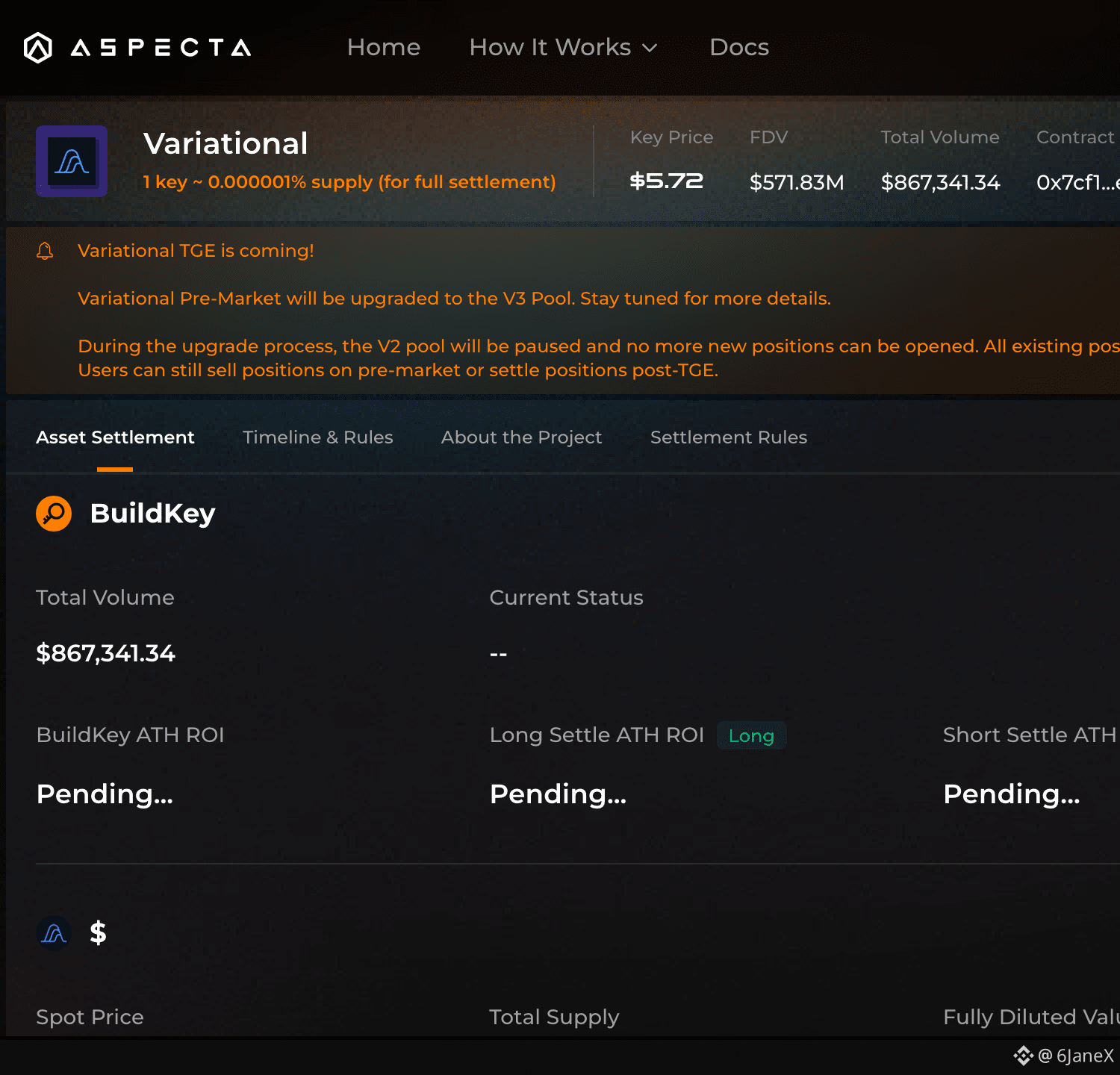
Variational is currently quoted at $7.5169, with an FDV of $751.4M. Looking at the candlestick chart, the key question is whether the price can hold within its current range and establish a clearer continuation of the trend. To view real-time price movements and trading details, visit Aspecta: trade.aspecta.ai 📊
#Variational $Variational $BNB $ASP
Variational is currently quoted at $7.5169, with an FDV of $751.4M. Looking at the candlestick chart, the key question is whether the price can hold within its current range and establish a clearer continuation of the trend. To view real-time price movements and trading details, visit Aspecta: trade.aspecta.ai 📊
#Variational $Variational $BNB $ASP
#Variational $Variational $BNB $ASP
100
The more I look at Variational’s OTC “$50 per point” offer, the more it looks like bait—not an attempt to accumulate points.
First, look at who’s making the offer: the 1,000-point, $50,000 buy order was posted by the OTC group’s own operator account, with the caption, “We’re actively looking for sellers. DM us to discuss.” One screenshot, a Telegram link, and no details about on-chain escrow. The purpose of the buy order is plain as day: they want your points, not to keep your wallet safe.
Now let’s do the math. The official tokenomics allocate 32% to points, and community estimates put the circulating supply at around 9.9 million points. At $50 per point, the airdrop alone would imply a launch valuation of roughly $1.55 billion. On prediction markets, the odds of a valuation above $1 billion are about 55%, while the odds of $2 billion are only 26%. Working backward from $1 billion, each point would be worth just over $32. Someone was selling at $7 in July; over the weekend, the same thing was quoted at anywhere from $33 to $45. A $12 spread shows there’s no real price—just sentiment.
Some people are using Lighter as a precedent: last year, it traded OTC at $100 per point, only to work out to $50 at TGE. That example just goes to show that high OTC prices are there to set up whoever buys in later to hold the bag.
My take is simple: treat OTC prices as a measure of hype, not valuation—and definitely don’t DM your points to someone because of a screenshot promising “$50.” If you really want to lock in profits, wait until TGE and sell on the open market. It may take longer, but you won’t get rug-pulled. Those shouting “don’t sell your points” and those shouting “sell now” often both have referral codes. Use your own judgment.
#Variational #Airdrop
The more I look at Variational’s OTC “$50 per point” offer, the more it looks like bait—not an attempt to accumulate points.
First, look at who’s making the offer: the 1,000-point, $50,000 buy order was posted by the OTC group’s own operator account, with the caption, “We’re actively looking for sellers. DM us to discuss.” One screenshot, a Telegram link, and no details about on-chain escrow. The purpose of the buy order is plain as day: they want your points, not to keep your wallet safe.
Now let’s do the math. The official tokenomics allocate 32% to points, and community estimates put the circulating supply at around 9.9 million points. At $50 per point, the airdrop alone would imply a launch valuation of roughly $1.55 billion. On prediction markets, the odds of a valuation above $1 billion are about 55%, while the odds of $2 billion are only 26%. Working backward from $1 billion, each point would be worth just over $32. Someone was selling at $7 in July; over the weekend, the same thing was quoted at anywhere from $33 to $45. A $12 spread shows there’s no real price—just sentiment.
Some people are using Lighter as a precedent: last year, it traded OTC at $100 per point, only to work out to $50 at TGE. That example just goes to show that high OTC prices are there to set up whoever buys in later to hold the bag.
My take is simple: treat OTC prices as a measure of hype, not valuation—and definitely don’t DM your points to someone because of a screenshot promising “$50.” If you really want to lock in profits, wait until TGE and sell on the open market. It may take longer, but you won’t get rug-pulled. Those shouting “don’t sell your points” and those shouting “sell now” often both have referral codes. Use your own judgment.
#Variational #Airdrop
First, look at who’s making the offer: the 1,000-point, $50,000 buy order was posted by the OTC group’s own operator account, with the caption, “We’re actively looking for sellers. DM us to discuss.” One screenshot, a Telegram link, and no details about on-chain escrow. The purpose of the buy order is plain as day: they want your points, not to keep your wallet safe.
Now let’s do the math. The official tokenomics allocate 32% to points, and community estimates put the circulating supply at around 9.9 million points. At $50 per point, the airdrop alone would imply a launch valuation of roughly $1.55 billion. On prediction markets, the odds of a valuation above $1 billion are about 55%, while the odds of $2 billion are only 26%. Working backward from $1 billion, each point would be worth just over $32. Someone was selling at $7 in July; over the weekend, the same thing was quoted at anywhere from $33 to $45. A $12 spread shows there’s no real price—just sentiment.
Some people are using Lighter as a precedent: last year, it traded OTC at $100 per point, only to work out to $50 at TGE. That example just goes to show that high OTC prices are there to set up whoever buys in later to hold the bag.
My take is simple: treat OTC prices as a measure of hype, not valuation—and definitely don’t DM your points to someone because of a screenshot promising “$50.” If you really want to lock in profits, wait until TGE and sell on the open market. It may take longer, but you won’t get rug-pulled. Those shouting “don’t sell your points” and those shouting “sell now” often both have referral codes. Use your own judgment.
#Variational #Airdrop
17
With this Variational airdrop, there are way more people talking about farming it than people who’ve actually run the numbers.
“Not farming Variational is financially irresponsible.” “If you’re not farming it, I don’t know what you’re even doing.” Whenever I hear stuff like that, my first instinct is to check how many points the person saying it has and how many referral links they’ve posted.
32% goes to point holders, and the TGE is supposedly in Q4. Then everyone compares it to Hyperliquid’s 31% back in the day. But back then, hardly anyone believed points were worth anything. Now everyone knows, and everyone’s farming.
Look at the numbers they’re posting: someone traded $5.2 million in a week for 204.1 points—that works out to about $25,000 in trading volume per point. Another leaderboard says it takes about $130,000 in volume per point. The estimated cost for the same point varies by several times, which shows that nobody actually knows what a point is worth. All they know is they’re using real money and leverage to farm volume.
Kaito just added it to the leaderboard, and now people are farming it both by talking it up and by trading. As for “an FDV of $1.5–2 billion is the base case”—that number is coming from the airdrop farmers themselves. You’re buying into their expectations.
The product metrics are definitely growing; I’m not denying that. But by the time you’ve seen your tenth “two months left—last chance to get in” post, chances are you’re here to provide liquidity for the people at the top.
Farm if you want, but first work out your cost per point, then decide how much leverage to use.
#Variational #Airdrop
With this Variational airdrop, there are way more people talking about farming it than people who’ve actually run the numbers.
“Not farming Variational is financially irresponsible.” “If you’re not farming it, I don’t know what you’re even doing.” Whenever I hear stuff like that, my first instinct is to check how many points the person saying it has and how many referral links they’ve posted.
32% goes to point holders, and the TGE is supposedly in Q4. Then everyone compares it to Hyperliquid’s 31% back in the day. But back then, hardly anyone believed points were worth anything. Now everyone knows, and everyone’s farming.
Look at the numbers they’re posting: someone traded $5.2 million in a week for 204.1 points—that works out to about $25,000 in trading volume per point. Another leaderboard says it takes about $130,000 in volume per point. The estimated cost for the same point varies by several times, which shows that nobody actually knows what a point is worth. All they know is they’re using real money and leverage to farm volume.
Kaito just added it to the leaderboard, and now people are farming it both by talking it up and by trading. As for “an FDV of $1.5–2 billion is the base case”—that number is coming from the airdrop farmers themselves. You’re buying into their expectations.
The product metrics are definitely growing; I’m not denying that. But by the time you’ve seen your tenth “two months left—last chance to get in” post, chances are you’re here to provide liquidity for the people at the top.
Farm if you want, but first work out your cost per point, then decide how much leverage to use.
#Variational #Airdrop
“Not farming Variational is financially irresponsible.” “If you’re not farming it, I don’t know what you’re even doing.” Whenever I hear stuff like that, my first instinct is to check how many points the person saying it has and how many referral links they’ve posted.
32% goes to point holders, and the TGE is supposedly in Q4. Then everyone compares it to Hyperliquid’s 31% back in the day. But back then, hardly anyone believed points were worth anything. Now everyone knows, and everyone’s farming.
Look at the numbers they’re posting: someone traded $5.2 million in a week for 204.1 points—that works out to about $25,000 in trading volume per point. Another leaderboard says it takes about $130,000 in volume per point. The estimated cost for the same point varies by several times, which shows that nobody actually knows what a point is worth. All they know is they’re using real money and leverage to farm volume.
Kaito just added it to the leaderboard, and now people are farming it both by talking it up and by trading. As for “an FDV of $1.5–2 billion is the base case”—that number is coming from the airdrop farmers themselves. You’re buying into their expectations.
The product metrics are definitely growing; I’m not denying that. But by the time you’ve seen your tenth “two months left—last chance to get in” post, chances are you’re here to provide liquidity for the people at the top.
Farm if you want, but first work out your cost per point, then decide how much leverage to use.
#Variational #Airdrop
14

Variational raises $50M in a Series A funding round
#Variational secures $50M in a Series A funding round led by Dragonfly, with participation from Coinbase Ventures and Bain Capital Crypto. This funding round brings Variational's total funds raised to $61.8M.
Variational is a peer-to-peer trading protocol for perpetual and generalized derivatives, automating the entire trading and clearing process to facilitate secure bilateral trading of options, futures, perpetual, and other derivatives.
👉 x.com/variational_io/status/2057097346086047982
Variational raises $50M in a Series A funding round
#Variational secures $50M in a Series A funding round led by Dragonfly, with participation from Coinbase Ventures and Bain Capital Crypto. This funding round brings Variational's total funds raised to $61.8M.
Variational is a peer-to-peer trading protocol for perpetual and generalized derivatives, automating the entire trading and clearing process to facilitate secure bilateral trading of options, futures, perpetual, and other derivatives.
👉 x.com/variational_io/status/2057097346086047982
#Variational secures $50M in a Series A funding round led by Dragonfly, with participation from Coinbase Ventures and Bain Capital Crypto. This funding round brings Variational's total funds raised to $61.8M.
Variational is a peer-to-peer trading protocol for perpetual and generalized derivatives, automating the entire trading and clearing process to facilitate secure bilateral trading of options, futures, perpetual, and other derivatives.
👉 x.com/variational_io/status/2057097346086047982
239
·
--
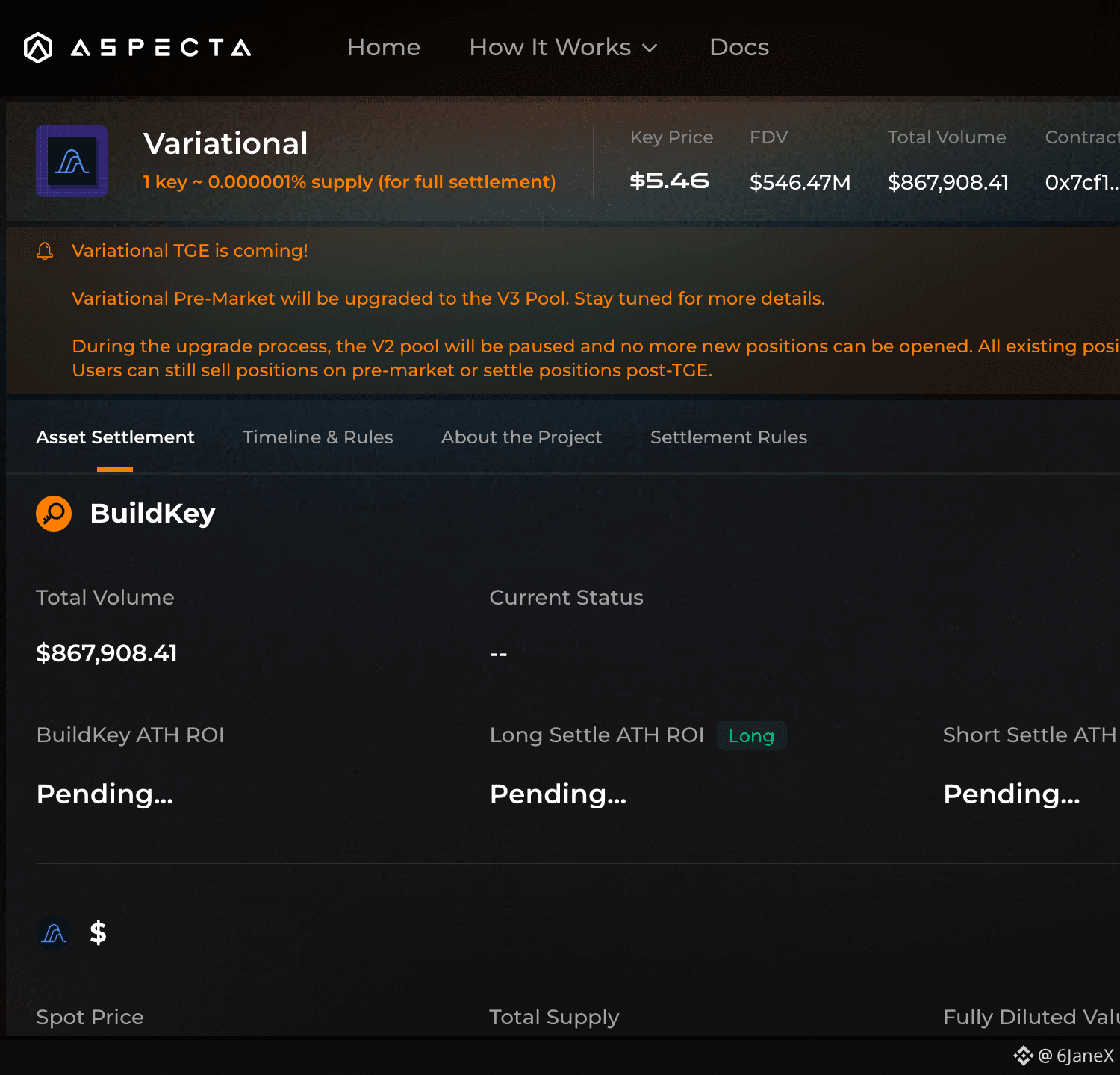
Variational current price: $7.5169, FDV: $751.4M. Looking at the market, the price is still trading within its current range. The key thing to watch next is whether the candlesticks can make a decisive breakout or find support after a pullback. The full price chart and trading access are now available on Aspecta: trade.aspecta.ai 📊
#Variational $Variational $BNB $ASP
Variational current price: $7.5169, FDV: $751.4M. Looking at the market, the price is still trading within its current range. The key thing to watch next is whether the candlesticks can make a decisive breakout or find support after a pullback. The full price chart and trading access are now available on Aspecta: trade.aspecta.ai 📊
#Variational $Variational $BNB $ASP
#Variational $Variational $BNB $ASP
85
·
--
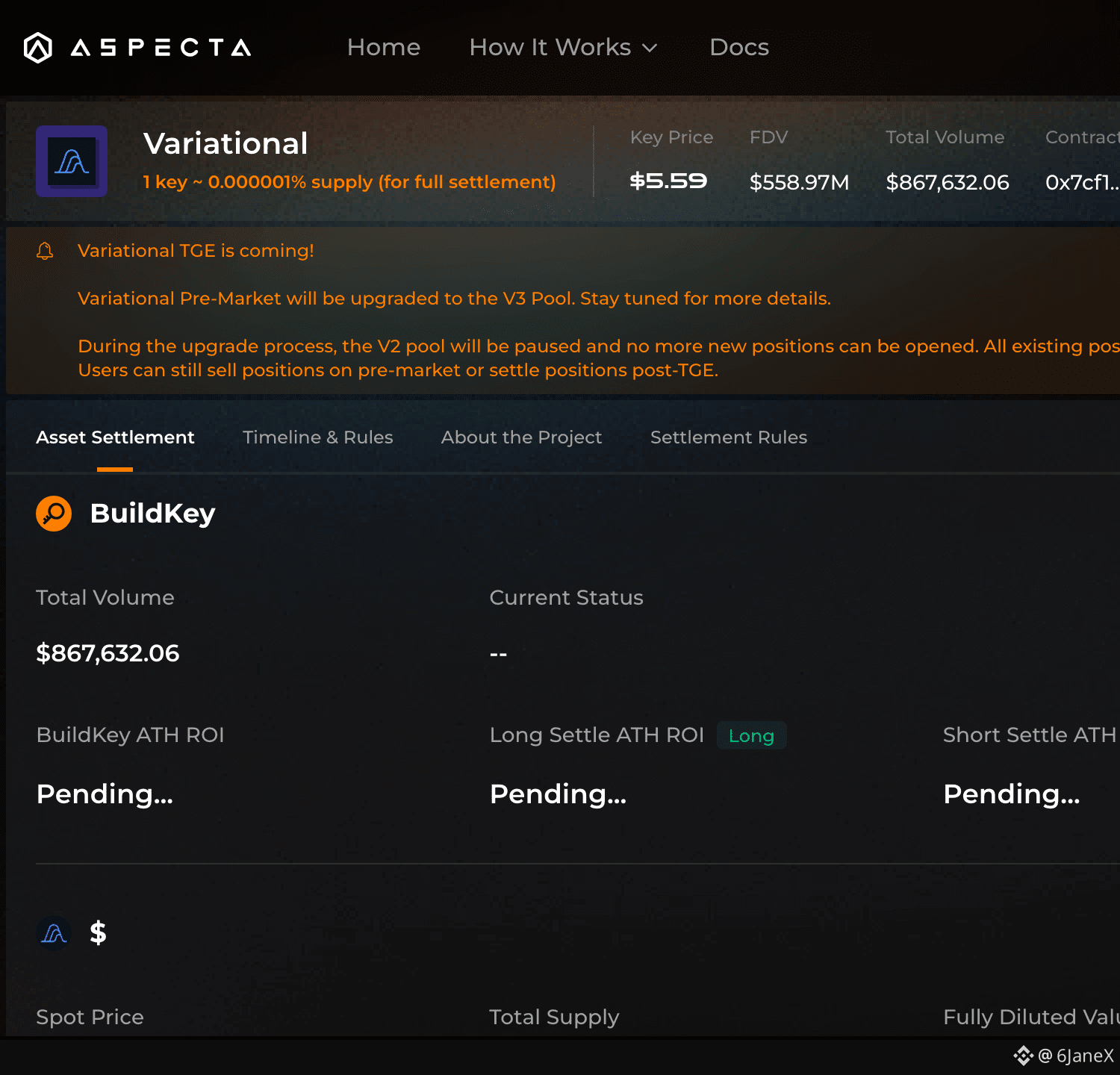
Variational current price $7.5169, FDV $751.4M. The candlestick chart shows the market at a key battleground, so in the short term, keep an eye on whether support holds and whether a rebound can push prices to a higher level. The full price trend and trading access are now live on Aspecta: trade.aspecta.ai 📈
#Variational $Variational $BNB $ASP
Variational current price $7.5169, FDV $751.4M. The candlestick chart shows the market at a key battleground, so in the short term, keep an eye on whether support holds and whether a rebound can push prices to a higher level. The full price trend and trading access are now live on Aspecta: trade.aspecta.ai 📈
#Variational $Variational $BNB $ASP
#Variational $Variational $BNB $ASP
142
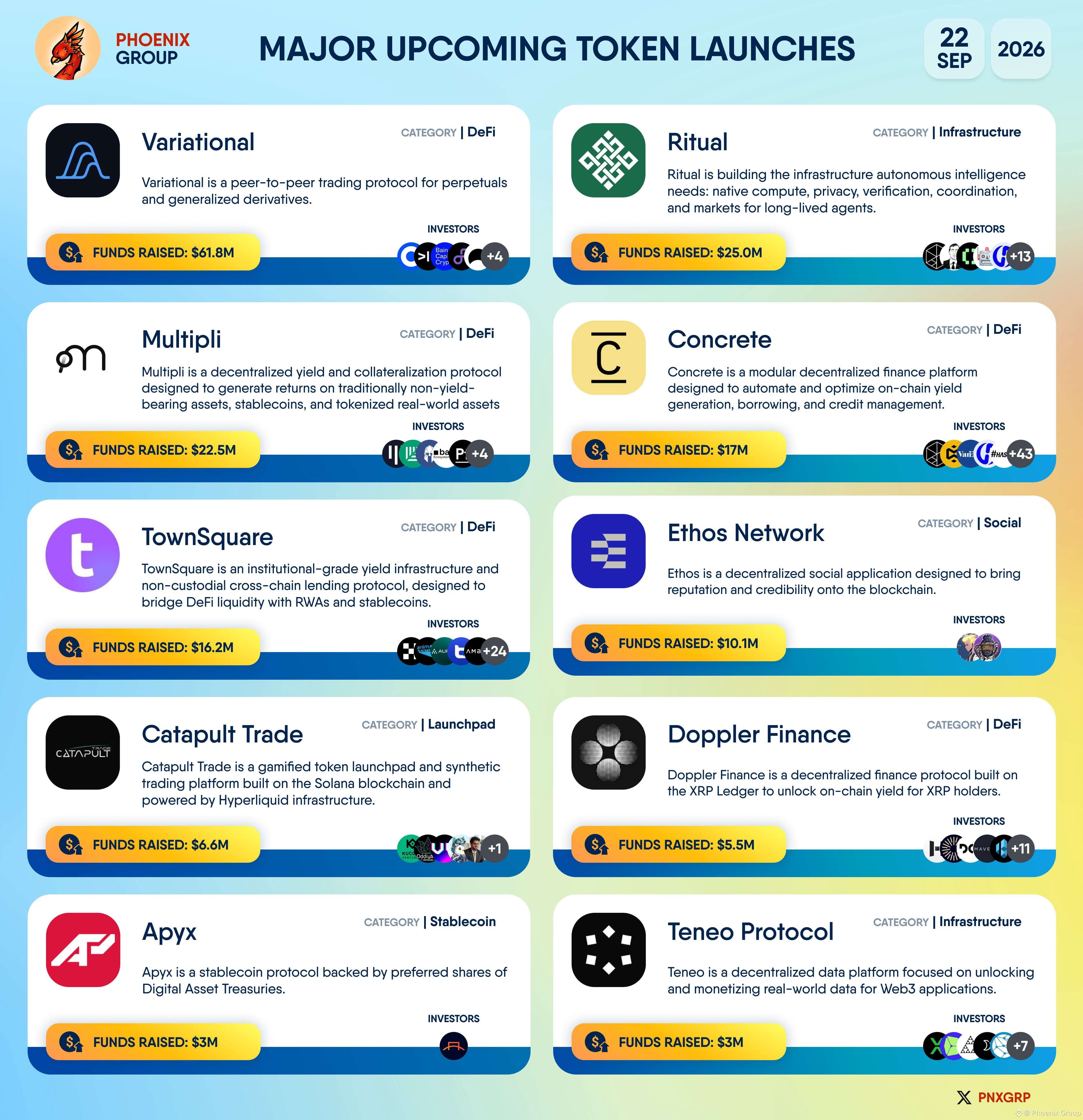
MAJOR UPCOMING TOKEN LAUNCHES
#Variational $VAR #Ritual $RITUAL #Multipli $MULT #Concrete $CT #TownSquare $TOWN #EthosNetwork $WHUF #CatapultTrade $PULT #DopplerFinance $XDP #Apyx $APYX #TeneoProtocol $TENEO
MAJOR UPCOMING TOKEN LAUNCHES
#Variational $VAR #Ritual $RITUAL #Multipli $MULT #Concrete $CT #TownSquare $TOWN #EthosNetwork $WHUF #CatapultTrade $PULT #DopplerFinance $XDP #Apyx $APYX #TeneoProtocol $TENEO
#Variational $VAR #Ritual $RITUAL #Multipli $MULT #Concrete $CT #TownSquare $TOWN #EthosNetwork $WHUF #CatapultTrade $PULT #DopplerFinance $XDP #Apyx $APYX #TeneoProtocol $TENEO
1
328
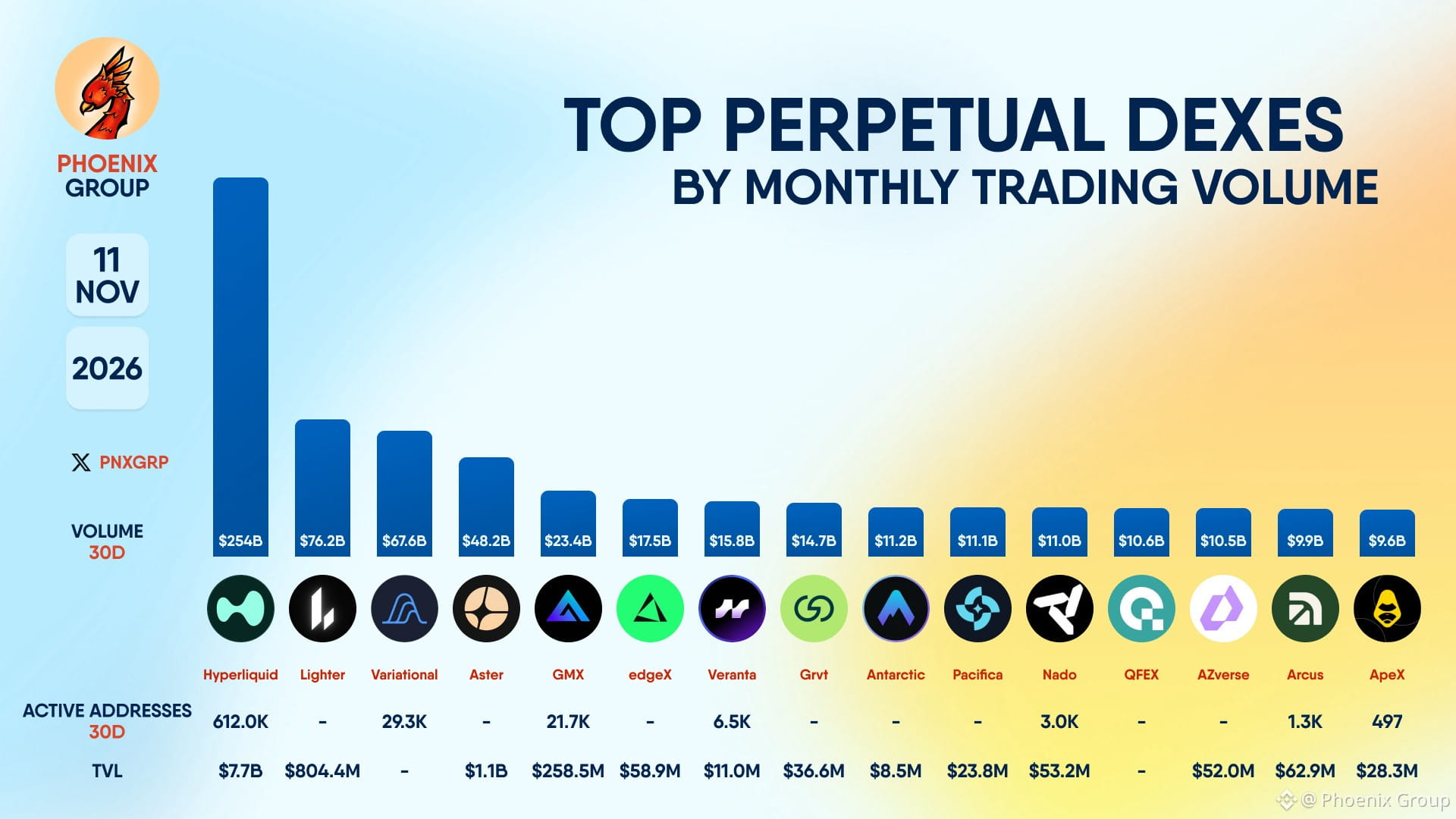
TOP PERPETUAL DEXES BY MONTHLY TRADING VOLUME
#Hyperliquid #Lighter #Variational #Aster #GMX #edgeX #Veranta #Grvt #Antarctic #Pacifica #Nado #QFEX #AZverse #Arcus #ApeX
TOP PERPETUAL DEXES BY MONTHLY TRADING VOLUME
#Hyperliquid #Lighter #Variational #Aster #GMX #edgeX #Veranta #Grvt #Antarctic #Pacifica #Nado #QFEX #AZverse #Arcus #ApeX
#Hyperliquid #Lighter #Variational #Aster #GMX #edgeX #Veranta #Grvt #Antarctic #Pacifica #Nado #QFEX #AZverse #Arcus #ApeX
1
188
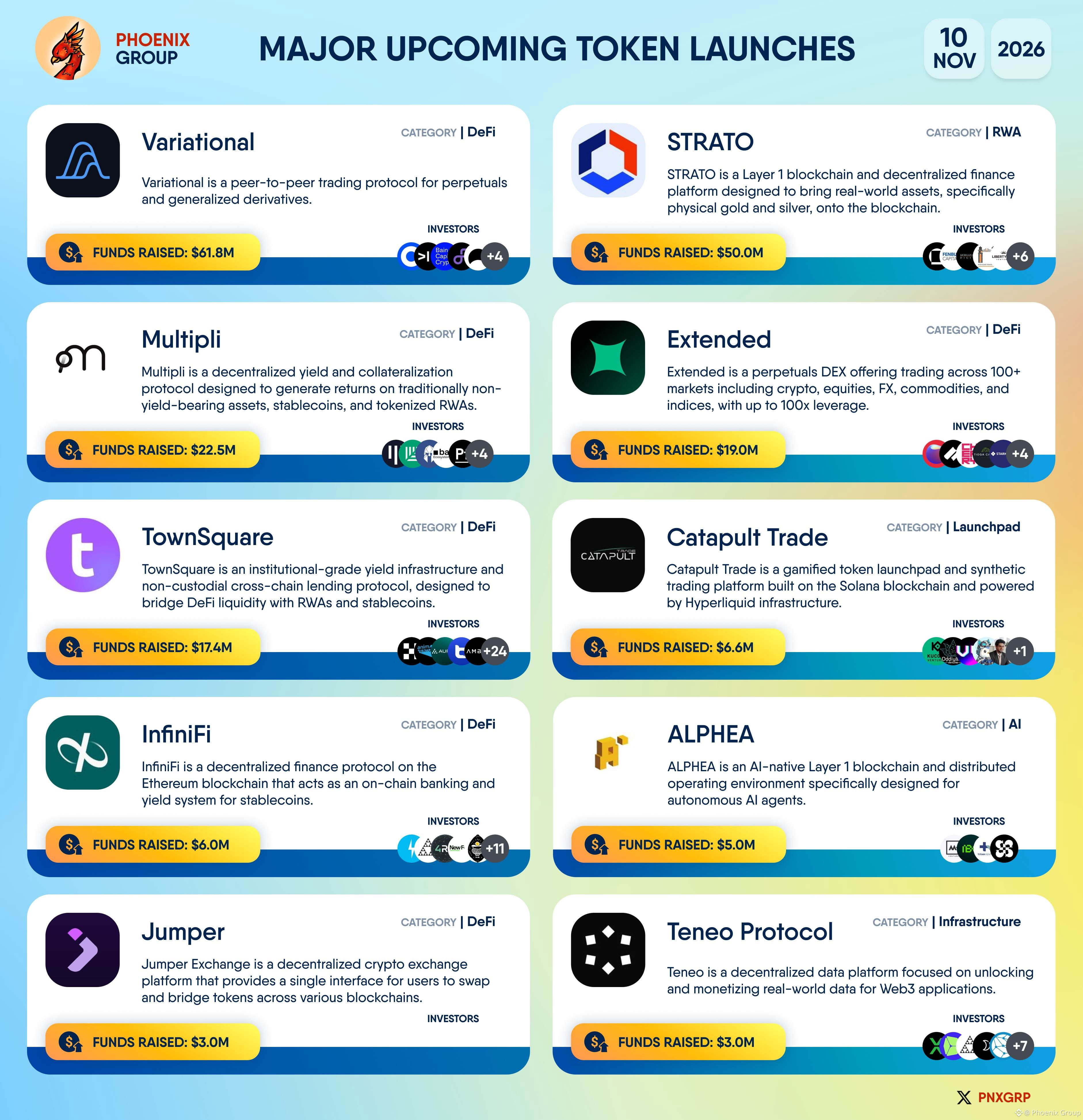
MAJOR UPCOMING TOKEN LAUNCHES
#Variational $VAR #STRATO $STRATO #Multipli $MULT #Extended $XTEN #TownSquare $TOWN #CatapultTrade $PULT #InfiniFi $INFI #ALPHEA $ALP #Jumper $JUMP #TeneoProtocol $TENEO
MAJOR UPCOMING TOKEN LAUNCHES
#Variational $VAR #STRATO $STRATO #Multipli $MULT #Extended $XTEN #TownSquare $TOWN #CatapultTrade $PULT #InfiniFi $INFI #ALPHEA $ALP #Jumper $JUMP #TeneoProtocol $TENEO
#Variational $VAR #STRATO $STRATO #Multipli $MULT #Extended $XTEN #TownSquare $TOWN #CatapultTrade $PULT #InfiniFi $INFI #ALPHEA $ALP #Jumper $JUMP #TeneoProtocol $TENEO
134
Variational has been arguing all night, but boiled down, it comes down to one thing: every trade you open there has the same counterparty.
That post by @0xLoris, which got over 20,000 views, put it pretty bluntly: on Omni, apart from the platform’s own official bot, outsiders can’t post quotes at all, and every trade is against OLP as the sole counterparty. He also said in his own reply that having a single counterparty can be an informed choice, but he’d be surprised if even one in ten users knew what they were getting into.
I don’t think the RFQ model itself is inherently bad—brokerage models have been around in traditional finance for decades. The problem is how it’s packaged. They’re waving the perpetual DEX banner while handing out points, with 32,293 accounts competing for 150,000 points every week. Most people think they’re trading against others in a decentralized order book, when in reality they’re betting against the market maker itself.
The official line after the Binance incident was pretty clever, too: users’ margin is on-chain, and OLP only uses its own money to hedge externally. Literally speaking, that’s true. But whether you can actually collect your gains depends on how sound OLP’s hedging operation is—and they haven’t said a word about that layer of risk.
Some people compare it to Citadel Connect. Fine—then let’s judge it by brokerage standards: counterparty risk, hedging venues, and who steps in if something goes wrong. Put it all out in the open. Don’t enjoy the narrative premium of a DEX while doing the work of a brokerage.
Those farming points should think it through for themselves. Know who’s on the other side before deciding how much leverage to use.
#Variational #PerpetualDEX
Variational has been arguing all night, but boiled down, it comes down to one thing: every trade you open there has the same counterparty.
That post by @0xLoris, which got over 20,000 views, put it pretty bluntly: on Omni, apart from the platform’s own official bot, outsiders can’t post quotes at all, and every trade is against OLP as the sole counterparty. He also said in his own reply that having a single counterparty can be an informed choice, but he’d be surprised if even one in ten users knew what they were getting into.
I don’t think the RFQ model itself is inherently bad—brokerage models have been around in traditional finance for decades. The problem is how it’s packaged. They’re waving the perpetual DEX banner while handing out points, with 32,293 accounts competing for 150,000 points every week. Most people think they’re trading against others in a decentralized order book, when in reality they’re betting against the market maker itself.
The official line after the Binance incident was pretty clever, too: users’ margin is on-chain, and OLP only uses its own money to hedge externally. Literally speaking, that’s true. But whether you can actually collect your gains depends on how sound OLP’s hedging operation is—and they haven’t said a word about that layer of risk.
Some people compare it to Citadel Connect. Fine—then let’s judge it by brokerage standards: counterparty risk, hedging venues, and who steps in if something goes wrong. Put it all out in the open. Don’t enjoy the narrative premium of a DEX while doing the work of a brokerage.
Those farming points should think it through for themselves. Know who’s on the other side before deciding how much leverage to use.
#Variational #PerpetualDEX
That post by @0xLoris, which got over 20,000 views, put it pretty bluntly: on Omni, apart from the platform’s own official bot, outsiders can’t post quotes at all, and every trade is against OLP as the sole counterparty. He also said in his own reply that having a single counterparty can be an informed choice, but he’d be surprised if even one in ten users knew what they were getting into.
I don’t think the RFQ model itself is inherently bad—brokerage models have been around in traditional finance for decades. The problem is how it’s packaged. They’re waving the perpetual DEX banner while handing out points, with 32,293 accounts competing for 150,000 points every week. Most people think they’re trading against others in a decentralized order book, when in reality they’re betting against the market maker itself.
The official line after the Binance incident was pretty clever, too: users’ margin is on-chain, and OLP only uses its own money to hedge externally. Literally speaking, that’s true. But whether you can actually collect your gains depends on how sound OLP’s hedging operation is—and they haven’t said a word about that layer of risk.
Some people compare it to Citadel Connect. Fine—then let’s judge it by brokerage standards: counterparty risk, hedging venues, and who steps in if something goes wrong. Put it all out in the open. Don’t enjoy the narrative premium of a DEX while doing the work of a brokerage.
Those farming points should think it through for themselves. Know who’s on the other side before deciding how much leverage to use.
#Variational #PerpetualDEX
5
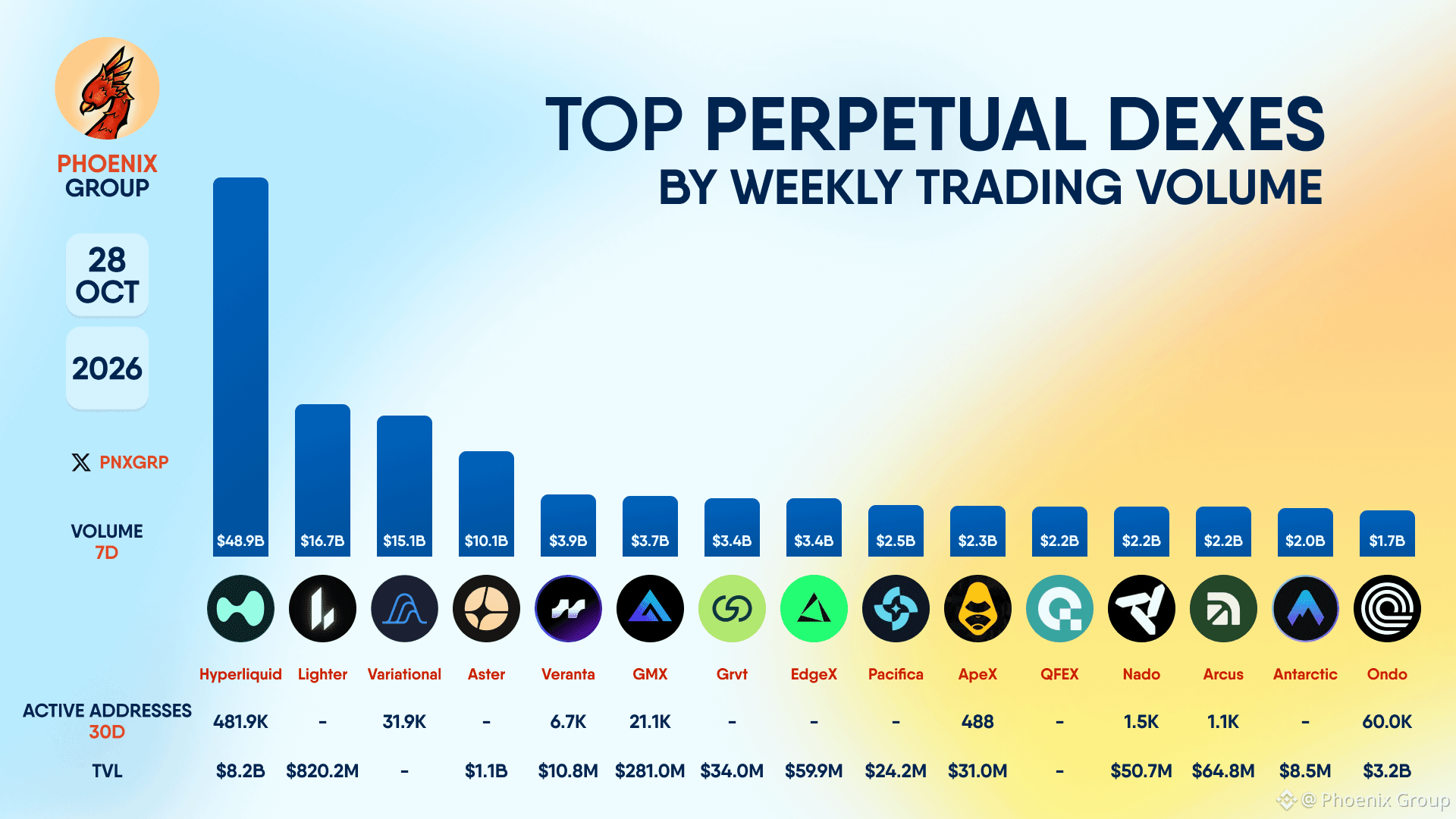
TOP PERPETUAL DEXES BY WEEKLY TRADING VOLUME
#Hyperliquid #Lighter #Variational #Aster #Veranta #GMX #Grvt #EdgeX #Pacifica #ApeX #QFEX #Nado #Arcus #Antarctic #Ondo
TOP PERPETUAL DEXES BY WEEKLY TRADING VOLUME
#Hyperliquid #Lighter #Variational #Aster #Veranta #GMX #Grvt #EdgeX #Pacifica #ApeX #QFEX #Nado #Arcus #Antarctic #Ondo
#Hyperliquid #Lighter #Variational #Aster #Veranta #GMX #Grvt #EdgeX #Pacifica #ApeX #QFEX #Nado #Arcus #Antarctic #Ondo
255
Log in to explore more content
Join global crypto users on Binance Square
⚡️ Get latest and useful information about crypto.
💬 Trusted by the world’s largest crypto exchange.
👍 Discover real insights from verified creators.
Email / Phone number
Trending Topics
1
#WhoWillSucceedJensenHuangatNvidia?
128,210 views
1,463 Discussing
2
#WhatWillDriveCryptoandStocks’NextRebound?
514,221 views
3,316 Discussing
3
#BitcoinActiveSupplyInProfitDropsBelow45%
52,916 views
592 Discussing
4
#KavaSaysAbnormalActivityLimitedToKavaLend
27,571 views
328 Discussing
5
#USSpotXRPETFsSeeLargestWeeklyOutflowIn8Months
21,112 views
283 Discussing
6
#USPPIMissMayEaseBTCPressure
257,936 views
2,183 Discussing
7
#WORPTLetsTouristsConvertCryptoToThaiBaht
7,565 views
79 Discussing
8
#TONStrategyReports$23.97MQ3NetLoss
8,017 views
41 Discussing
9
#PolkadotCommunityApprovesNewStrategyWith97%Vote
24,344 views
277 Discussing
10
#dYdXPlansV9.9UpgradeToShiftUSDCToInjective
19,805 views
231 Discussing